Best Cat Breeds for Nigerian Climate Care Maintenance Tips
The choice of a feline companion goes beyond personal preference; it also involves understanding environmental factors that affect your pet’s health and well-being. In Nigeria’s unique climate, certain cat breeds are more suited to thrive than others. This article delves into the intricacies of choosing the right breed for this warm and humid environment, ensuring that both you and your cat can enjoy a harmonious life together.
Caring for a cat in Nigeria necessitates specialized knowledge about their specific needs. From the right diet to proper housing, several factors can enhance your feline’s comfort and longevity. Here are some compelling reasons to pay attention to climate-appropriate breeds:
- Health considerations: Certain breeds are less prone to heat-related issues.
- Adaptability: Some cats are naturally better equipped to handle high temperatures.
- Maintenance requirements: Understanding grooming needs can minimize stress and enhance hygiene.
In this article, we are excited to present the Top 5 cat breeds that not only endure the Nigerian climate but thrive in it, along with essential tips for their care and maintenance. Prepare to explore which breeds could add joy to your home while keeping your feline friends healthy and happy.
Top 5 Cat Breeds Adapted to the Nigerian Climate: Care and Maintenance
Nigeria, with its tropical weather, provides a distinct challenge for pet owners. The country experiences a hot and humid climate, where temperatures can rise significantly, especially during the dry season. Pet owners, when choosing a feline companion, must consider breeds that can not only withstand these conditions but also thrive. This article explores five adaptable cat breeds suited for Nigerian weather, offering insights into the care and maintenance required to keep these animals healthy and content. Let’s discover these remarkable felines, ranked from fifth to first.
5. Siamese
The Siamese cat is instantly recognizable by its striking appearance — observed in its sleek, short coat and dazzling blue eyes. Siamese cats are typically sociable, often described as “dog-like” in their loyalty and vocal tendencies, which makes them delightfully engaging companions. Their short coats are a natural advantage in hotter climates, reducing the risk of overheating. Owners should ensure these elegant creatures have access to fresh, clean water and a cool, shaded resting place during the peak heat of the Nigerian afternoons.
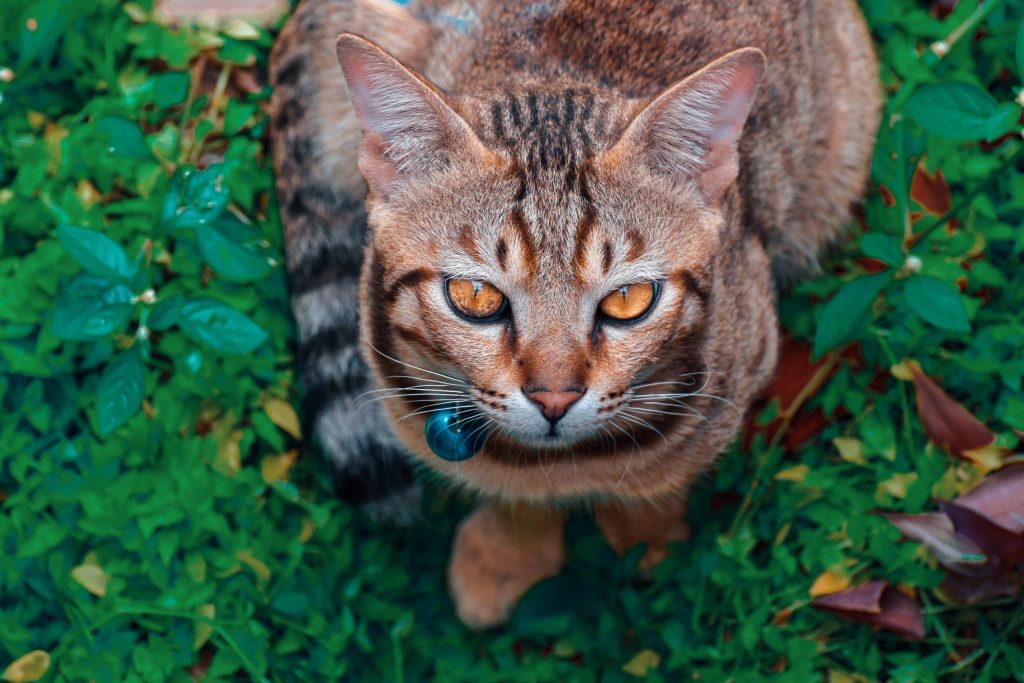
Care Tips: Siamese cats, while low-maintenance due to their minimal shedding, can benefit from occasional grooming sessions. This not only helps maintain fur quality but also fortifies your bond with them through regular physical attention. Incorporate plenty of mental and physical stimulation with toys and games, because sheer love for play keeps them engaged and prevents boredom-induced behavior issues.
4. Bengal
Bengal cats are the wild-at-heart athletes of the feline world, with their vibrant, marbled or spotted coats reminiscent of leopards capturing the imagination of many cat lovers. They are bundles of energy, driven by an innate curiosity and an equally enduring playfulness. Due to their short coats, Bengals are more tolerant of warmer climates as seen in Nigeria. However, their energy demands an environment that supports climbing and activity.
Care Tips: Given their vigorous nature, Bengals require not only physical exercise but also mental enrichment. Engage them with vertical spaces like cat trees and inventive puzzle toys that challenge their keen intellect. This is particularly vital in hot climates where indoor activities help maintain their vitality while protecting them from excessive heat. Ensure a steady water supply to prevent dehydration.
3. Abyssinian
The ancient and Abyssinian cat stands out for more than just its exquisite short, ticked coat; this breed is as lively as it is loving, making it a joyous addition to family life. In Nigeria, their short coats provide functional benefits similar to those of the Siamese and Bengal. They enjoy an active environment and an owner who can match their inquisitive nature with interesting experiences.
Care Tips: Regular structure in their daily lives, including engagement through active play and interaction, helps keep Abyssinians from becoming restless or lonely. A healthy diet and consistent playtime are essential to satisfy their physical and emotional needs. These cats may develop attachments to their human family members, so ample attention is highly recommended to nurture their social side.
2. Sphynx
Sphynx cats captivate attention with their hairless, uniquely wrinkled bodies, and are often a point of curiosity for those meeting them for the first time. In places with high temperatures like Nigeria, their lack of fur can paradoxically mean a need for careful environment management, because fur typically offers protection from both cold and UV rays.
Care Tips: The sensitive skin of a Sphynx requires routine cleaning to manage oil accumulation and prevent skin conditions. Bathing them regularly with a gentle shampoo is essential. Sunscreen that is safe for animals should be applied to prevent sunburn if they are exposed to the sun for prolonged periods. Their metabolism tends to be higher due to the absence of insulating fur, requiring a nutritional diet to meet their energy needs.
1. Domestic Shorthair
The adaptable Domestic Shorthair claims the top spot for a good reason. This category of cats, not strictly a breed but rather a versatile blend of cats with short coats, is renowned for their flexibility. Their genetic diversity grants them robustness to thrive in varied conditions, including the heat and humidity of Nigeria. The short coat helps prevent overheating and requires minimal grooming, making them a favorite among cat owners for their easy upkeep.
Care Tips: Regular veterinary check-ups, proper diet management, and regular exercise are cornerstones of caring for Domestic Shorthairs. They do best in environments that afford them opportunities to explore and interact, ensuring a fulfilling and happy life. Due to their amiable nature, they fit well within families and adapt quickly to household routines.
In conclusion, while Nigeria’s tropical climate presents specific challenges to cat ownership, with vigilance and appropriate care practices, these top five cat breeds are highly suited to flourish. By understanding the needs of these breeds, cat owners can ensure a rewarding companionship with a healthy and contented pet. This exploration only scratches the surface, but it opens a gateway to further discovery and appreciation of these adaptable and beautiful creatures.
When discussing the optimal care and maintenance of cat breeds adapted to the Nigerian climate, it is crucial to focus on their dietary needs, grooming practices, and health monitoring. These factors not only enhance the well-being of the cats but also help integrate them harmoniously into their environment.Firstly, diet plays a vital role in maintaining a cat’s health in the warm Nigerian climate. Cats are obligate carnivores, which means their diet should primarily consist of high-quality animal protein. A diet rich in omega fatty acids can be beneficial, as it helps maintain a healthy coat and skin, resistant to the heat and humidity. Ensure that the food is tailored to their specific needs and consider the local availability of ingredients to formulate a nutritious meal that reflects their natural dietary patterns.Secondly, grooming cannot be overlooked. Due to the high temperatures and humidity, regular grooming is essential, especially for long-haired breeds. Frequent brushing helps prevent matting and reduces the amount of fur shed around the home. Moreover, it allows for the inspection of the cat’s skin for any signs of parasites, irritations, or infections. Since many cats in Nigeria may spend more time outdoors, brushing them also helps keep dirt and pollen at bay, minimizing potential allergies.Another critical aspect is health monitoring. Routine veterinary check-ups are indispensable to ensure that cats are free from common diseases prevalent in tropical climates, such as feline infectious peritonitis and parasitic infections like fleas and ticks. Vaccinations in line with veterinary guidelines are also crucial. Owners should familiarize themselves with the signs of common health issues, which include changes in behavior, appetite, and activity levels.Incorporating interactive play into the daily routine can improve both physical and mental stimulation for cats. Providing opportunities for exercise helps manage weight and energy levels, countering the lethargy that can accompany the hot weather. Toys, climbing structures, and regular playtime can keep cats engaged and satisfied, which is particularly important in a warm climate where they might be less inclined to venture outdoors.Furthermore, creating a comfortable living environment is paramount. Providing shaded areas in outdoor spaces and ensuring proper ventilation in living areas can help cats regulate their body temperature and avoid overheating. Water should always be available to keep them hydrated; investing in a cat water fountain can encourage more frequent drinking.Overall, successful integration of these care routines not only benefits the cats but also fosters a stronger bond between pet and owner. By understanding the unique needs of these breeds and adapting their care accordingly, owners can ensure that their feline friends thrive in the dynamic and challenging climate of Nigeria.To complement this information, here is a table summarizing some crucial categories related to the care and maintenance of cat breeds suited for Nigeria:
| Category | Description |
|---|---|
| Nutrition | High-protein diet rich in omega fatty acids for coat and skin health. |
| Grooming | Regular brushing helps prevent matting and skin issues. |
| Health Monitoring | Routine vet check-ups and vaccinations are essential. |
| Living Environment | Provide shaded areas and ensure proper ventilation. |
Frequently Asked Questions About Cat Breeds Adapted to the Nigerian Climate
What are some cat breeds that are well-suited to the Nigerian climate?
Certain cat breeds are naturally more adaptable to warmer climates like Nigeria’s. Breeds such as the Egyptian Mau, Siamese, and Abyssinian are known for their ability to thrive in hotter temperatures. These cats typically have shorter coats and a genetic predisposition to handle heat better. Understanding the unique needs of these breeds can lead to a more comfortable and healthy life for your feline friend.
How can I ensure my cat stays cool and comfortable in Nigeria?
Keeping your cat cool in Nigeria’s warm climate involves several strategies. Ensure there is always ample fresh water available, provide shaded areas or cool spots for resting, and avoid excessive play during the hottest parts of the day. Additionally, incorporating fans or air conditioning in your home can help regulate the temperature effectively. Regularly groom your cat to prevent overheating, especially for those with denser fur.
Are there specific health concerns for cats living in hotter climates?
In hotter climates, cats are more susceptible to heatstroke, dehydration, and certain skin conditions. It’s crucial to watch for signs of heat stress, such as excessive panting or lethargy. Regular veterinary check-ups can help monitor their health and prevent potential issues early on. Keeping your cat indoors during extreme heat waves can also protect them from these risks.
What dietary considerations should I keep in mind for my cat in Nigeria?
Diet plays a significant role in a cat’s adaptation to a local climate. High-quality, moisture-rich diets ensure proper hydration, crucial in hot temperatures. Opt for wet cat food or add water to dry kibble to increase fluid intake. Consult with a veterinarian to tailor a diet that meets the specific needs of your cat within Nigeria’s climate context.
How can I make my home more comfortable for a cat in a warm climate?
Creating a comfortable home environment involves multiple steps. Consider installing reflective window films to reduce heat, providing cool surfaces like tiled floors, and ensuring proper ventilation. Offering a balance of indoor and outdoor spaces can also cater to a cat’s need for exploration while keeping them safe from the sun’s harshest rays. Investing in temperature-regulating pet beds or mats could further enhance their comfort.
Conclusion
As Nigeria’s climate presents unique challenges, it’s crucial to choose cat breeds that can thrive in such an environment. Selecting the right breed not only ensures the feline’s well-being but also simplifies care and maintenance for pet owners. Among the top breeds adapted to the Nigerian climate, the Siamese, Bengal, Oriental Shorthair, Sphynx, and Egyptian Mau stand out. These breeds are not only well-suited due to their physical characteristics and behavior but also require slightly different considerations to keep them healthy and happy.
The allure of these breeds extends beyond their adaptability; their diverse personalities and appearances offer a rich tapestry of options for cat lovers. For instance, the Siamese is known for its vocal nature and sleek coat, the Bengal for its energetic and playful demeanor, and the Sphynx for its unique hairless features. Each of these breeds brings a touch of exotic charm to any home, while also catering to climate-related necessities.
Maintenance and care for these cats encompass adequate hydration, suitable shelter from extreme weather, and a balanced diet to support their health. Regular veterinary check-ups are essential to preempt possible health issues, particularly for breeds like the Sphynx, which require special skin care. Ultimately, knowledge about breed-specific needs lays the groundwork for a harmonious relationship between the pet and the owner.
In conclusion, understanding the synergy between cat breeds and the Nigerian climate ensures that both cat and human can enjoy a mutually beneficial companionship. By paying attention to breed-specific needs, owners can greatly enrich the lives of their feline companions while fostering a nurturing environment. The insights shared throughout this piece encourage further exploration on how best to accommodate pets in varying climates, highlighting the intricate balance between nature and nurture in pet care.