How to Choose the Right Toys to Stimulate Your Pet
Understanding Pet Playtime
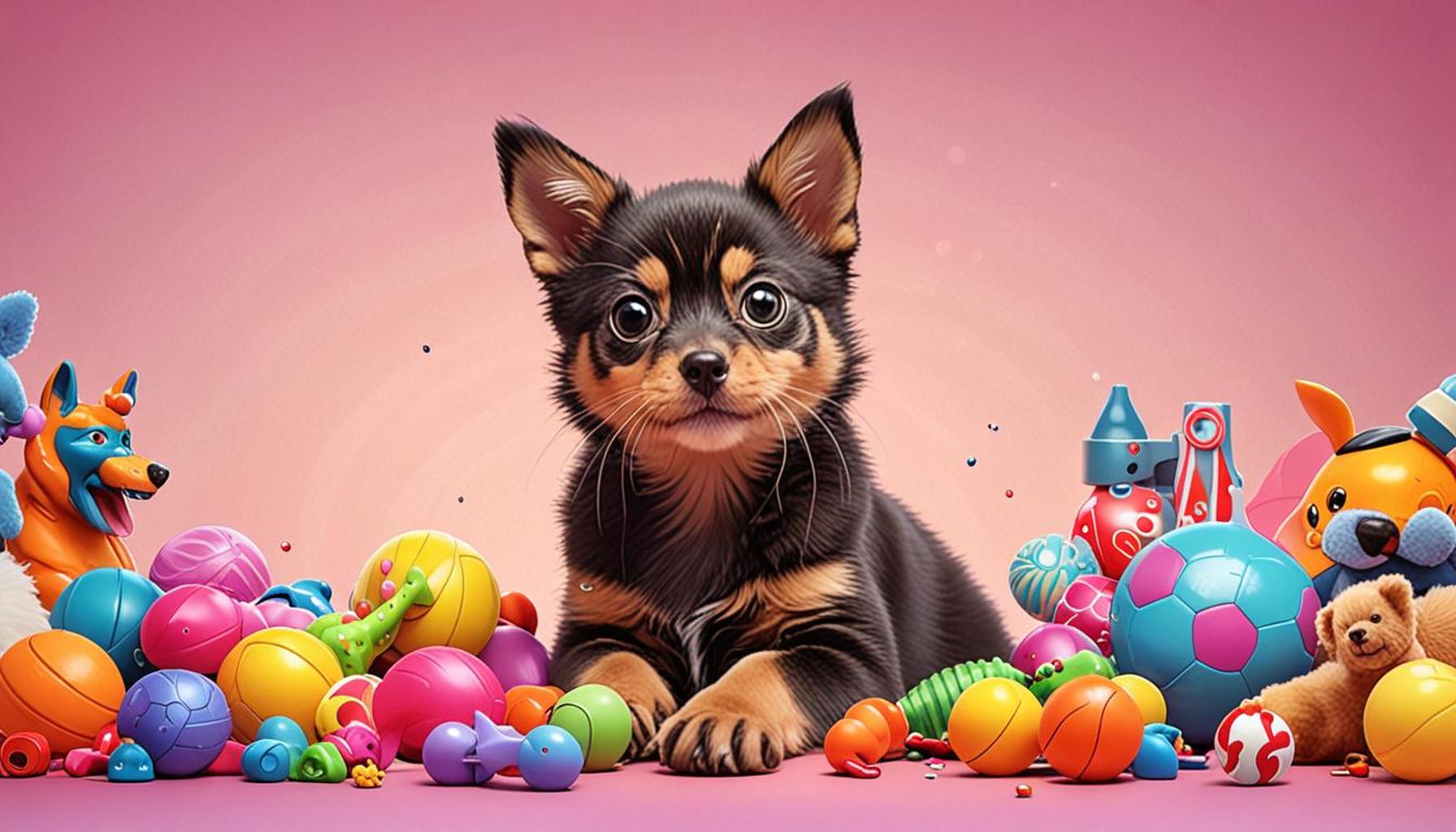
For pet owners, choosing the right toys is essential in nurturing both physical and mental health. Toys are not just playthings; they are crucial for stimulating your pet’s instincts and keeping boredom at bay. In Nigeria, where the pet ownership culture is flourishing, understanding what makes the ideal toy can lead to a healthier and happier life for your furry companions.
Why Toys Matter
Toys play an integral role in an animal’s life, contributing significantly to their overall well-being. They can help with:
- Exercise: Keeping your pet active and healthy is vital, especially in urban environments where outdoor spaces may be limited. Toys like balls or frisbees encourage physical activity, helping to prevent obesity and related health issues.
- Mental Stimulation: Engaging their brain is just as important as physical exercise. Puzzle toys challenge pets to solve problems, decreasing boredom, which can otherwise lead to destructive behaviors, such as chewing furniture or excessive barking.
- Bonding: Playing with your pet is an excellent way to strengthen the connection between you and your furry friend. Interactive toys, such as tug ropes or fetch toys, can create memories and deepen your relationship.
As one explores the vibrant markets of Nigeria, such as Balogun Market in Lagos or Jabi Lake Mall in Abuja, one can find an array of choices that cater to diverse needs. However, understanding that not all toys are created equal is essential; features such as size, material, and purpose can make a significant difference.
Tips for Choosing the Right Toys
When selecting toys for your pet, keep the following factors in mind to enhance their play experience:
- Pet Size: Ensure the toy is appropriate for your pet’s size to prevent choking hazards. A toy that’s too small for a large breed can pose serious risks.
- Durability: Choose toys made from robust materials, especially if your pet is a heavy chewer. Brands that utilize tough rubber or reinforced fabrics may prolong the life of your pet’s favorite toys.
- Type of Play: Consider if your pet enjoys fetching, tugging, or puzzle-solving. For instance, Labrador Retrievers may thrive on throw-and-retrieve games, whereas breeds like Border Collies might prefer complex toys that challenge their intelligence.
Additionally, don’t hesitate to vary the toys offered to your pets. Rotation can keep their playtime fresh and exciting, preventing them from losing interest. Always supervise initial play sessions to ensure safety and assess if the toy meets your pet’s needs.
Exploring the right toys can transform your pet’s playtime into an enriching adventure. By investing time to understand your pet’s preferences and behaviors, you can ensure they enjoy a fulfilling playtime experience, which ultimately leads to a happier and healthier life.
Matching Toys to Your Pet’s Needs
Choosing the right toys for your pet transcends mere aesthetics; it requires a deeper understanding of their unique needs, behaviors, and instincts. Each pet is a distinct individual with specific preferences that can influence their engagement with toys. In Nigeria, the diversity of pet breeds—from the spirited Nigerian Ridgeback to the playful Pug—demands a tailored approach in selecting toys that provide the right stimulation.
Assessing Your Pet’s Personality
Before diving into the market’s abundance of toy options, spend some time observing your pet’s personality traits. Does your dog love to run, chase, and retrieve? Or do they prefer to lie down and chew on their favorite item? Similarly, cats may exhibit their own unique habits, with some being avid climbers and others enjoying a good chase. Understanding these traits can guide your selection:
- Active Pets: For pets that are always on the move, consider toys that encourage physical activity such as balls, frisbees, or even interactive puzzle toys that dispense treats as they solve them.
- Curious Explorers: If your pet is a natural explorer, toys that stimulate their senses, like feather wands for cats or tactile puzzle toys for dogs, can provide the mental stimulation they crave.
- Comfort Seekers: Some pets are less interested in high-energy activities and prefer toys that provide comfort. Plush toys or chew toys made from soft materials can be great companions for these pets, providing reassurance during downtime.
Safety First: Materials Matter
When selecting toys, safety should be a top priority. Many toys are made from materials that may not be suitable for all pets. Here are some considerations:
- Non-toxic Materials: Ensure that the toy is made of non-toxic materials to avoid any health issues should your pet ingest small pieces.
- No Small Parts: Avoid toys with small components that could be a choking hazard, especially for playful pets that tend to chew aggressively.
- Age Appropriateness: Consider your pet’s age; younger pets often require different toys compared to their senior counterparts, who may benefit from softer or less challenging options.
The key to a successful pet playtime is finding the right balance of fun and safety. By being mindful of your pet’s personality and the materials in the toys you choose, you can cultivate a play environment that is not only enjoyable but also beneficial. As you explore options, keep in mind that a little foresight can lead to enriched playtime experiences for your furry friend.
| Category | Key Features |
|---|---|
| Interactive Toys | These toys encourage problem-solving skills and promote cognitive engagement. |
| Chew Toys | Perfect for maintaining dental health while providing stress relief and playtime enjoyment. |
| Fetch Toys | Ideal for high-energy pets, these toys encourage exercise and strengthen the bond between pet and owner. |
| Puzzle Toys | Stimulate mental activity by requiring pets to think creatively to access treats, enhancing focus and reducing boredom. |
| Squeaky Toys | These toys activate natural hunting instincts, providing auditory stimulation and excitement during playtime. |
When selecting the right toys for your pet, consider their size, breed, and personality. For example, smaller dogs may prefer plush toys, while larger breeds might benefit from durable rubber options. Age also plays a crucial role; puppies require softer toys to accommodate their developing teeth, whereas older pets may need softer options for their sensitive gums.It’s also essential to rotate your pet’s toys regularly to maintain their interest and prevent boredom. Engaging toys not only provide entertainment but also challenge your pet mentally, which is vital for their overall health and well-being.Incorporating toys into your pet’s daily routine can foster exercise and play, reducing destructive behaviors often associated with boredom. Therefore, carefully considering the type of toys can enhance your pet’s quality of life while ensuring their happiness and engagement.
The Importance of Playtime and Interaction
Playtime is not just a leisure activity for pets; it is a critical part of their development and emotional well-being. Engaging your pet with stimulating toys fosters a bond between you and your furry companions while also helping to manage behavioral issues that arise from boredom or excess energy.
Building Stronger Bonds Through Play
Choosing the right toys can facilitate valuable interaction between you and your pet. For instance, engaging in games that incorporate fetch or tug-of-war can strengthen your relationship while providing physical exercise. Moreover, interactive toys that require your participation can boost your pet’s excitement and reinforce positive behavior. Here are some ways to enhance your connection through play:
- Involve Yourself: Choose toys that require you to be an active participant—such as remote-controlled toys for dogs that simulate a chase.
- Rewarding Play: Toys that dispense treats can not only provide mental stimulation but also offer a reward system that encourages your pet to engage with you.
- Routine Engagement: Set aside dedicated playtime daily to foster predictability, which can create a sense of security for your pet.
Adapting to Different Play Styles
Just as pets have unique personalities, they also exhibit various play styles. Understanding these play styles will lead you to select the perfect toys that cater to their preferences and instincts:
- The Hunter: For pets with a predatory instinct, such as cats or certain dog breeds, consider toys that mimic prey, like feather boa toys or small squeaky animals that encourage stalking and pouncing behavior.
- The Chewer: Some pets are simply drawn to chewing, offering prolonged engagement with rubber or dental chew toys. These options not only keep pets busy but also promote oral hygiene.
- The Bouncer: Toys that bounce unpredictably, like tennis balls or squeaky balls, can intrigue animals that love to chase and retrieve, appealing to their natural instincts.
Toys Tailored for Specific Breeds
Another important consideration in selecting toys is recognizing that certain breeds have specific traits that influence their playstyles. For example, breeds bred for herding like German Shepherds are often agile and intelligent, benefiting from toys that challenge their problem-solving abilities. In contrast, smaller breeds such as Chihuahuas often enjoy toys they can easily manipulate, whether they’re plush or interactive.
In Nigeria, where mixed breeds are common, it may be beneficial to observe behavioral tendencies that may emerge from different breed mixes. Toys that cater to these unique quirks can significantly enrich your pet’s playtime experience. Additionally, engaging with local pet communities or forums can yield helpful recommendations tailored to the prevalent breeds in your area.
Ultimately, selecting the right toys for your pet is a blend of understanding their individual needs and carefully observing how they engage with different types of toys. By prioritizing their play preferences, safety, and breed characteristics, you will not only enhance their play experience but also contribute positively to their overall well-being and happiness.
Conclusion: Enriching Your Pet’s Life Through Thoughtful Toy Selection
Choosing the right toys to stimulate your pet is an essential aspect of pet ownership that goes beyond mere entertainment. It plays a vital role in their emotional health, physical development, and behavior management. By understanding your pet’s unique personality traits, play styles, and breed-specific needs, you can make informed decisions that will greatly enhance their quality of life.
Remember, active participation during playtime not only strengthens the bond between you and your furry friend but also makes play more fulfilling and engaging. Tailoring your toy selection based on their behavioral tendencies will foster creativity and curiosity, whether that be through interactive toys, chewable items, or toys that cater to their instinctual behaviors. In Nigeria, where cultural values and pet ownership dynamics may differ, connecting with local pet communities can provide invaluable insights into the best toys suited for specific breeds prevalent in your environment.
In conclusion, investing time and effort in selecting the appropriate toys for your pet offers long-term benefits, including enhanced mental stimulation, exercise, and an overall sense of happiness. As you continue your journey as a pet owner, always keep in mind that the right toys not only serve as tools for play but also facilitate meaningful interactions that contribute positively to your beloved companion’s well-being. So, dive into the world of pet toys—discover, learn, and play your way to a happier pet.