Exotic Bird Species and Their Special Care
Understanding the Fascination with Exotic Birds
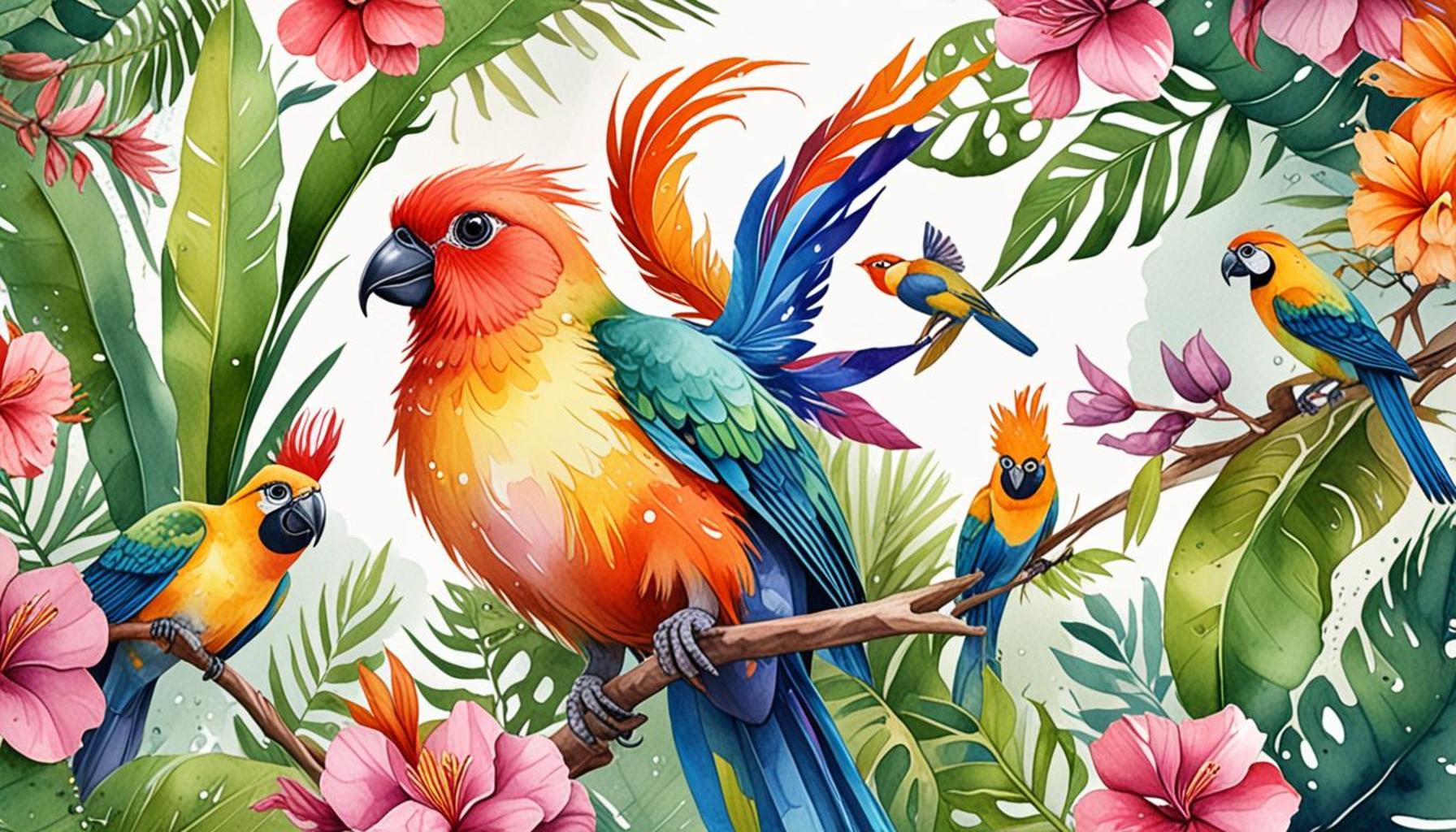
Exotic birds are not just visually stunning; they embody an array of captivating behaviors and quirks that enchant bird watchers and pet owners alike. From the highly intelligent African Grey Parrot, known for its exceptional mimicry skills, to the strikingly colorful Eclectus Parrot, whose color differences between males and females showcase the beauty of sexual dimorphism, these species provide endless opportunities for engagement and admiration. Owning an exotic bird is a journey filled with unique challenges and abundant rewards.
Why Choose Exotic Birds?
Sharing your life with an exotic bird involves a commitment that transcends mere visual appeal. Here are several compelling reasons to consider transforming your home into a vibrant aviary:
- Vibrant Personalities: Exotic birds are often characterized by their curious and playful nature. Species like the Macaw are not only stunning but are also known for their entertaining antics, making them a source of joy in any household.
- Unique Beauty: The gorgeous plumage of exotic birds sets them apart. For instance, the rainbow-hued feathers of the Indian Ring-necked Parakeet can brighten any living space, adding a splash of color and life.
- Engaging Companionship: Developing a bond with an exotic bird can significantly enhance emotional well-being. These intelligent creatures are capable of forming deep social connections with their human companions, often mimicking speech and sounds, which fosters interaction and companionship.
However, embracing the joy of exotic bird ownership also means understanding and fulfilling their specific care requirements. These feathered friends thrive only when their complex needs are met, and here are some critical considerations:
- Proper Diet: Each species has unique dietary needs that must be met for optimal health. For example, a mix of fruits, vegetables, and high-quality pellets must be tailored to the particular species you own; doing so ensures they receive necessary nutrients.
- Social Interaction: Regular engagement is crucial. Birds are social animals requiring daily interaction, not only to thrive but also to prevent behavioral issues stemming from loneliness.
- Safe Environment: Creating a secure and enriching habitat is fundamental. This includes providing adequate space for exercise, suitable toys for mental stimulation, and ensuring safety from potential predators and hazards.
Diving deeper into the world of exotic birds reveals endless possibilities for education and enrichment. Enthusiasts can explore local pet shows, engage with birding clubs in Nigeria, or participate in online forums dedicated to bird care and conservation. Each step offers a greater understanding of how to care for these spectacular creatures properly and highlights their extraordinary traits that make them beloved companions.
The Essential Care for Exotic Birds
When it comes to exotic bird species, understanding their specific care requirements is paramount to ensuring their health and happiness. Unlike typical pets, these birds possess unique needs that reflect their wild origins. This section delves into essential care practices to help both novice and seasoned bird owners provide the best environment for their feathered friends.
Critical Care Components
Owning an exotic bird involves comprehensively understanding their lifestyle and preferences. Here are some pivotal elements of care that every exotic bird owner must prioritize:
- Nutrition: A well-rounded diet is foundational for an exotic bird’s health. Different species have varied dietary requirements, and it’s vital to research and provide a diet according to your bird’s needs. For instance, while budgerigars thrive on seeds and pellets, larger species like Macaws require a diet rich in fruits, vegetables, and nuts to support their energetic lifestyle. Failure to feed them appropriately can lead to nutritional deficiencies and health issues over time.
- Socialization: Being social creatures, exotic birds need daily interaction not just for affection but also for mental stimulation. Birds like the African Grey and Sun Conure can develop strong attachments to their human companions and often require more than just brief daily interactions. Regular playtime and social engagement help to prevent behavioral problems such as feather plucking and excessive screeching.
- Environment: Creating a safe and stimulating environment is key to the well-being of exotic birds. Adequate space for their size, appropriate perches, and a variety of toys to keep their minds engaged are critical. Moreover, ensuring their living area is free from potential dangers, such as toxic household plants and drafts, is essential. Bird owners in Nigeria must also be cognizant of temperature and humidity levels, as extremes can affect these birds’ health.
Additionally, it’s important to note that some species exhibit behavioral problems if their needs aren’t adequately met. For example, a Cockatoo left alone for extended periods might develop anxiety, resulting in destructive behaviors. Hence, setting aside regular time for enrichment and interaction is essential for a happy bird.
Furthermore, regular health check-ups with a veterinarian experienced in avian medicine are crucial. Routine visits not only help catch potential health problems early but also keep your feathered friend in optimum health. Providing the right care and environment ensures that exotic birds remain vibrant and lively, contributing joy to their owners’ lives.
Diving into the world of exotic bird ownership is not just about the initial excitement; it requires a commitment to understanding and fulfilling their specific needs. By paying attention to their nutrition, socialization, and environmental requirements, bird owners can cultivate a thriving and joyful companionship with these stunning creatures.
| Category | Description |
|---|---|
| Dietary Needs | Many exotic birds require a specialized diet rich in nutrients. |
| Environmental Enrichment | Proper care includes providing a stimulating environment, important for their wellbeing. |
| Health Concerns | Regular vet check-ups are vital for detecting health issues in exotic species. |
| Social Interaction | These birds often need socialization to thrive, enhancing their quality of life. |
Exploring the exotic bird species captivates any bird enthusiast, revealing the intricate care required to keep them healthy and happy. Their dietary needs, tailored to their natural habitats, greatly impact their vitality. Often, these species demand diets rich in seeds, fruits, and veggies, ensuring they receive essential vitamins and minerals. Furthermore, environmental enrichment plays a crucial role in their well-being. Enriching environments with perches, toys, and opportunities for flight enhance their physical and mental health. Equally important are the health concerns unique to each species; regular veterinary check-ups are not just advisable but necessary. They help to monitor their social interaction skills, essential for species known for their social behavior. Understanding these nuances can lead to a more fulfilling partnership with these birds, ultimately making one a more informed caretaker.
Understanding Behavioral Needs and Enrichment
Alongside physical health, behavioral needs are a critical aspect of the care regimen for exotic birds. Unlike conventional pets, these birds communicate, play, and express themselves in more complex ways. A thorough understanding of their behavioral intricacies can lead to a more fulfilling companionship. This segment highlights the importance of behavioral enrichment and communication techniques for a happy exotic bird.
The Role of Enrichment
Enrichment is essential for maintaining a healthy mind in exotic birds. It refers to the practice of enhancing their environment to stimulate their natural behaviors. This is particularly vital for species such as Eclectus parrots, who are known for their intelligence and curiosity. Owners should consider incorporating various types of enrichment strategies, such as:
- Toys and Foraging Tools: Birds love to explore and work for their food. Provide toys that encourage foraging behaviors, such as puzzle feeders where birds must figure out how to access the treats inside. Different textures, shapes, and colors can make playtime more engaging.
- Social Interaction: Effective socialization not only involves human interaction but also provides opportunities for bonding with other birds. If feasible, consider housing compatible species together. Parakeets, for instance, thrive in pairs or small flocks, allowing them to socialize naturally.
- Obstacle Courses and Play Gyms: Setting up a play area with swings, ladders, and ropes can offer both physical exercise and mental stimulation. Birds like the Amazon parrot enjoy climbing and can benefit from opportunities to exhibit their natural behaviors.
In Nigeria, where exotic birds can be found in diverse habitats, owners can take inspiration from nature. Try to mimic natural environments in play areas or provide branches and safe foliage for climbing and exploration. This not only makes the bird’s space more visually appealing but also encourages instinctual behaviors that keep their spirits high.
Understanding Communication and Behavioral Cues
Exotic birds possess diverse methods of communication, often using vocalizations and body language to express their needs. Learning these cues is vital for fostering a strong bond and ensuring a harmonious living environment. For example, an African Grey parrot may have specific calls related to hunger, attention-seeking, or boredom, often vocalizing to their human companions when they desire interaction.
Additionally, recognizing positive signs such as preening and relaxed posture indicates a comfortable bird. If a bird displays certain negative behaviors—such as excessive squawking or evasive movements—these may be indicators that their needs are not being met.
Offering an array of activities and engaging with the bird regularly can greatly reduce anxiety levels. Understanding these behavioral cues allows owners to respond more effectively to their pets’ needs, leading to a more content and well-adjusted parrot.
Moreover, providing a bedtime routine is crucial. Exotic birds often require around 10-12 hours of sleep to stay healthy and exhibit a range of positive behaviors during their active hours. Creating a calm and dark environment during their sleep time can promote better mental health.
In summary, nurturing both the physical and emotional needs of exotic birds fosters a happy household. By focusing on enrichment, understanding behavioral cues, and maintaining consistent social interactions, bird owners can ensure their feathered friends thrive both mentally and physically.
Conclusion
In the vibrant world of exotic bird species, the nuances of care extend far beyond basic feeding and shelter. As both fascinating companions and unique creatures, these birds warrant a thoughtful approach to their special care that encompasses physical health, behavioral needs, and a thriving mental environment.
It is imperative that owners recognize the vital role of enrichment—from toys and foraging tools to creative socialization strategies—that mimic their natural habitats. Engaging environments not only keep these birds physically active but also promote mental well-being, significantly enhancing their overall quality of life. For example, by understanding the behavioral cues of species like the African Grey parrot, owners can cultivate a deeper connection and swiftly address their needs, ensuring a harmonious living situation.
Moreover, conscious efforts such as establishing a consistent sleep routine and allowing for social interactions can further enrich the bird’s life. By taking these considerations to heart, owners can celebrate the beauty of their feathered friends while providing a nurturing space where they can flourish.
As exotic birds continue to capture the hearts of many Nigerian households, the journey of providing care for these remarkable creatures offers ample opportunities for education and exploration. Every small effort tailored to their needs can lead to a lifetime of joy and companionship. Therefore, let us embrace the responsibility of ensuring that these captivating species receive the special care they deserve to thrive.