The Influence of Rabbit Breeds in Popular Culture and Local Events
The Cultural Significance of Rabbits in Nigeria
Rabbits have long hopped their way into the fabric of popular culture around the world. From children’s stories to local celebrations, these charming creatures have captured the imaginations of many. In Nigeria, various rabbit breeds play a significant role, influencing both traditions and modern events.
The presence of rabbits in Nigerian folklore is particularly noteworthy. Many folktales feature clever rabbits who outsmart larger and more powerful foes, symbolizing wit and resourcefulness. For instance, a popularly told story includes the rabbit’s cleverness in tricking a lion, demonstrating themes of intelligence over brute strength—a moral that resonates deeply in many cultures. This motif reflects the very essence of the rabbit in communities, where often the underdog triumphs against overwhelming odds.
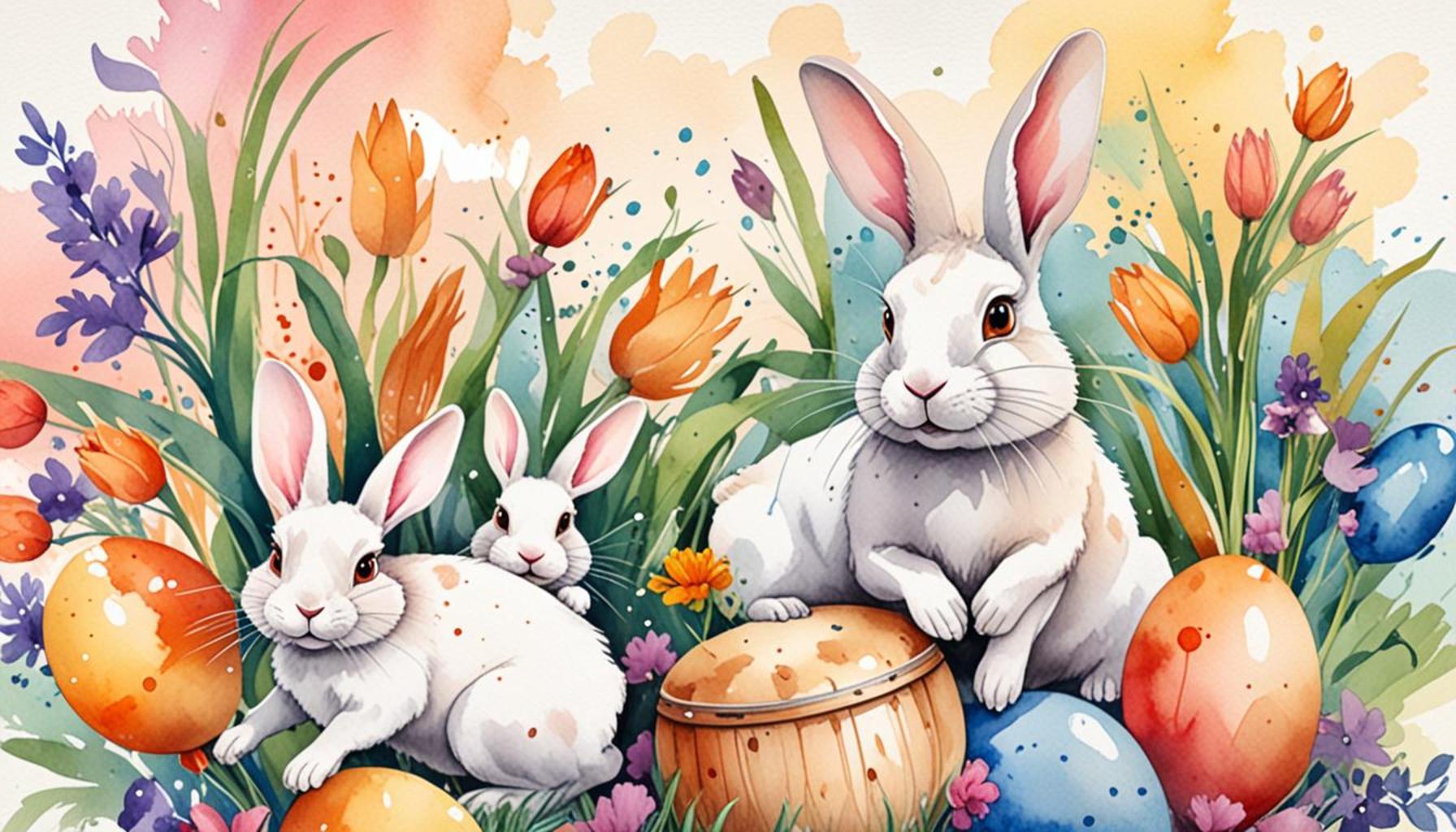
Moving beyond storytelling, rabbits have also made their mark in the realm of visual arts. Artistic representations of rabbits can be found in traditional Nigerian carvings and textiles, underscoring their cultural significance. Artists often use rabbit imagery to depict fertility and abundance, linking these animals with agricultural success and prosperity. This connection is particularly relevant in Nigeria, where agriculture remains a cornerstone of daily life and cultural identity.
Moreover, rabbits contribute to local seasonal festivals such as the harvest celebrations in rural regions, where various activities highlight the relationship between the community and agriculture. Events may include rabbit races or competitions for the best rabbit breed, fostering a spirit of friendly competition and community bonding. Such interactions not only celebrate the animal but also raise awareness about sustainable farming practices.
Beyond Symbolism: The Practical Role of Rabbit Breeds
The influence of rabbit breeds extends beyond mere symbolism. They contribute significantly to:
- Food Security: In Nigeria, rabbits provide an important source of protein and are often easier to rear compared to larger livestock. Their fast reproduction rate makes them a vital resource in ensuring nutrition for families, especially in regions facing food scarcity.
- Economic Opportunities: Rabbit farming has emerged as a lucrative business avenue. Many Nigerians have found success in breeding and selling rabbits, tapping into various markets, from local meat consumption to export opportunities. This industry not only supports individual livelihoods but also creates jobs in related sectors.
- Education: Raising awareness about rabbits encourages interest in agriculture among the youth. Schools and community programs that incorporate rabbit farming into their curricula provide hands-on learning experiences, promoting sustainable practices and the importance of biodiversity.
As we delve deeper into this influence, it becomes clear that understanding rabbit breeds can reveal much about our cultural heritage and the evolving nature of local events. By recognizing the multifaceted roles that rabbits play, we can appreciate their place not only in our stories but also in our economics, nutrition, and community bonding. Together, let’s explore how these furry symbols are woven into the rich tapestry of Nigerian life.
Celebrating Rabbit Breeds in Festivals and Traditions
The impact of rabbit breeds in Nigerian popular culture is most vividly observed during various local events and festivals. From harvest festivals to community fairs, rabbits often take center stage, symbolizing joy, abundance, and cultural pride. The significance of these celebrations cannot be overstated, as they not only highlight the importance of agriculture but also foster a sense of unity among community members.
One of the most notable events in which rabbits feature prominently is the Oni Oko Festival, a harvest celebration held in numerous rural communities across Nigeria. Here, various rabbit breeds are showcased, with activities ranging from rabbit races to competitions aimed at identifying the strongest or most uniquely bred rabbits. These contests generate excitement and fun, allowing families to bond over shared interests while promoting the traditional practices associated with rabbit rearing. More than just entertainment, these competitions emphasize the role of rabbits in sustaining agricultural practices, creating a deeper appreciation within the community.
In these festivals, the cultural narratives that surround rabbits are showcased through folk songs and dance performances. Traditional songs often recount the cleverness and wit attributed to rabbits, reinforcing the values that these beloved creatures symbolize in Nigerian culture. Community members dressed in colorful attire, often adorned with rabbit motifs, bring vibrancy to the event and further solidify the significance of rabbits as cultural icons.
Moreover, the symbolism of rabbits extends to capitalizing on the economic value they offer. During these celebrations, rabbit meat is often highlighted in traditional dishes, proving to be a popular delicacy. As attendees enjoy the flavors of rabbit stew or roasted rabbit dishes, they gain firsthand insight into the nutritional value and culinary versatility that these animals provide. The emphasis on sustainable farming practices is also evident, as many events incorporate educational workshops, where experienced farmers share best practices for rearing rabbits and raising awareness about the importance of animal husbandry.
Local artisans, too, find avenues to contribute to these festivities. The art of crafting rabbit-themed items—from pottery to fabric designs—provides an opportunity to showcase local talent while celebrating the cultural significance of rabbits. These handmade products often become sought-after souvenirs, creating a market for local craftsmanship and generating additional income for artisans.
As we explore the multifaceted roles that rabbits play in these vibrant celebrations, it becomes clearer that they embody more than just entertainment or food. They symbolize a connection to Nigerian heritage and community spirit, reflecting values that transcend generations. Thus, their presence in local events serves as a reminder of how traditions evolve while remaining rooted in cultural significance.
| Category | Features/Aspects |
|---|---|
| Cultural Representation | Rabbit breeds often symbolize fertility, renewed life, and are prominent in folklore. |
| Community Events | Local events celebrating rabbits foster community togetherness, education, and family fun. |
| Character Design | Various popular characters like Peter Rabbit promote specific rabbit breeds and their traits. |
| Culinary Influence | Certain rabbit dishes highlight cultural significance, showcasing local culinary arts and traditions. |
Examining the influence of rabbit breeds in popular culture and local events unveils a fascinating tapestry of connections. For instance, rabbits often represent fertility, symbolizing rebirth in various folklore worldwide. This cultural representation is not simply decorative; it has significant implications during events such as Easter and spring festivals, where their image becomes central. Moreover, community events celebrating various rabbit breeds serve as a platform for education and family engagement. These gatherings foster unity among residents, enhancing knowledge about these remarkable animals and their roles in culture.Popular characters, like Peter Rabbit, further emphasize specific breeds and their charming attributes, ingraining the love for these creatures into society’s fabric. Additionally, rabbits find their place in the culinary realm, where unique dishes leverage local traditions, uniting food with culture, and enriching the community’s identity.This intricate interplay between rabbit breeds, culture, and local events invites further exploration, urging readers to delve deeper into the significant roles these animals play in our shared experiences.
Rabbits in Art, Literature, and Media
The influence of rabbits extends far beyond festivals and local events; they have a noteworthy presence in the arts and literature that shapes societal perceptions in Nigeria. In various forms of artistic expression, rabbits are frequently depicted, illustrating their roles as symbols of agility, cleverness, and abundance. From traditional paintings to modern graphic designs, the imagery of rabbits is utilized to evoke emotions and tell stories that resonate with significant cultural values.
One prominent example is the use of rabbits in children’s literature across Nigeria. Tales featuring rabbit protagonists often depict themes of resourcefulness and ingenuity. Local authors have cleverly woven these lessons into narratives, allowing young readers to glean moral teachings while enjoying entertaining stories. Such literature fosters a cultural heritage that emphasizes the importance of quick wit and adaptability, traits that are associated with rabbits. Prominent tales, such as those inspired by the folklore of the tortoise and the hare, further underscore these traits, reinforcing the idea that intelligence and creativity often triumph over brute strength.
Moreover, rabbits have made their mark in *Nollywood*, Nigeria’s thriving film industry. They have appeared as characters in various films and television series, where they serve symbolic functions and highlight themes associated with African traditions. In these narratives, rabbits often symbolize peace, unity, and the cyclical nature of life—reflecting the rich tapestry of human experiences that form the basis of popular culture. Films featuring rabbits highlight agriculture and family values, showcasing how intertwined these creatures are with the everyday lives of Nigerians.
Art Exhibitions and Installations
Art exhibitions across Nigeria celebrating rabbits present a unique opportunity for local artists to express their admiration for these animals. From sculptures to mixed-media installations, interpretations of rabbits challenge viewers to reconsider their cultural significance. Artists often explore themes of sustainability and biodiversity, using rabbit imagery as a vehicle to tackle critical environmental issues. For example, installations that highlight the decline of traditional farming practices due to urbanization help to educate the public about conserving local rabbit breeds and preserving cultural heritage.
Additionally, the integration of rabbits into fashion and textile design is a growing trend. Local designers, inspired by the beauty and grace of various rabbit breeds, create pieces that reflect cultural narratives through styles that embrace Nigerian patterns and motifs. By sporting rabbit-themed apparel, community members not only express their pride in local traditions but also create avenues for discussions on the importance of animal welfare and sustainability within the fashion industry.
Community Engagement through Workshops
Community engagement remains a vital aspect of the rabbit’s influence on popular culture. Many local educational workshops focus on the humane treatment of animals and the benefits of rabbit rearing. These initiatives promote awareness about responsible farming practices, empowering community members, especially youth, to appreciate the value of livestock in food security. The hands-on experiences offered in these workshops create a strong foundation for future generations to honor the cultural connections to rabbit breeds.
As we delve into the artistic representations and contributions of rabbits in literature and media, it becomes evident that their integration into popular culture serves not only as a source of entertainment but also as a medium that educates and fosters community ties. This rich tapestry of influences amplifies their significance in shaping Nigeria’s cultural landscape, providing new insights into how rabbits are woven into the very fabric of Nigerian life.
Conclusion
The exploration of rabbit breeds in Nigeria reveals a captivating intersection of culture, art, and community engagement that underscores their significance in popular culture and local events. From captivating children’s stories highlighting the values of resourcefulness and cleverness to their portrayal in vibrant art exhibitions and *Nollywood* films, rabbits embody the spirit of Nigeria’s cultural narrative. Their symbolic role extends beyond mere representation; they serve as a powerful reminder of the intricate relationship between humans and nature.
Community initiatives that focus on rabbit rearing not only promote sustainable farming practices but also foster greater awareness of animal welfare and environmental conservation. Through workshops and educational programs, young people are encouraged to embrace these cultural ties, ensuring that the legacy of rabbit breeds continues to thrive in modern Nigerian society.
As local designers weave rabbit motifs into fashion, and artworks reflect their ecological importance, the influence of rabbits transcends the boundaries of tradition and contemporary expression. This phenomenon invites a broader dialogue about the cultural significance of animals in Nigeria, prompting further exploration into how these creatures enhance our understanding of community, sustainability, and heritage.
Ultimately, the influence of rabbit breeds in Nigeria is a testament to the enduring power of cultural symbols and their role in shaping our identity. By appreciating and preserving these connections, we pave the way for richer narratives that celebrate the harmonious coexistence of tradition and innovation.