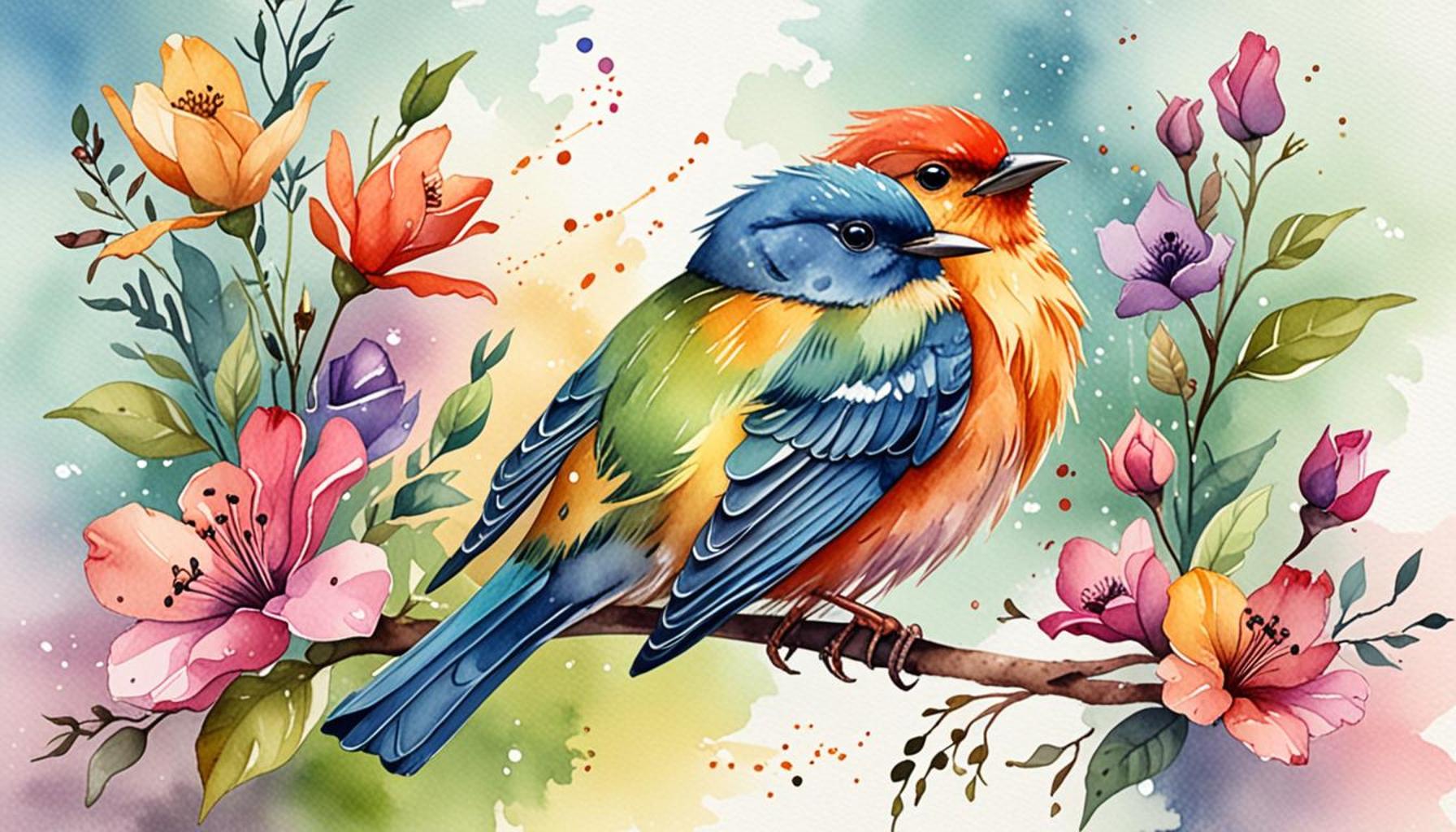
Pet Bird Breeds: Choosing the Best Winged Friend for Your Home
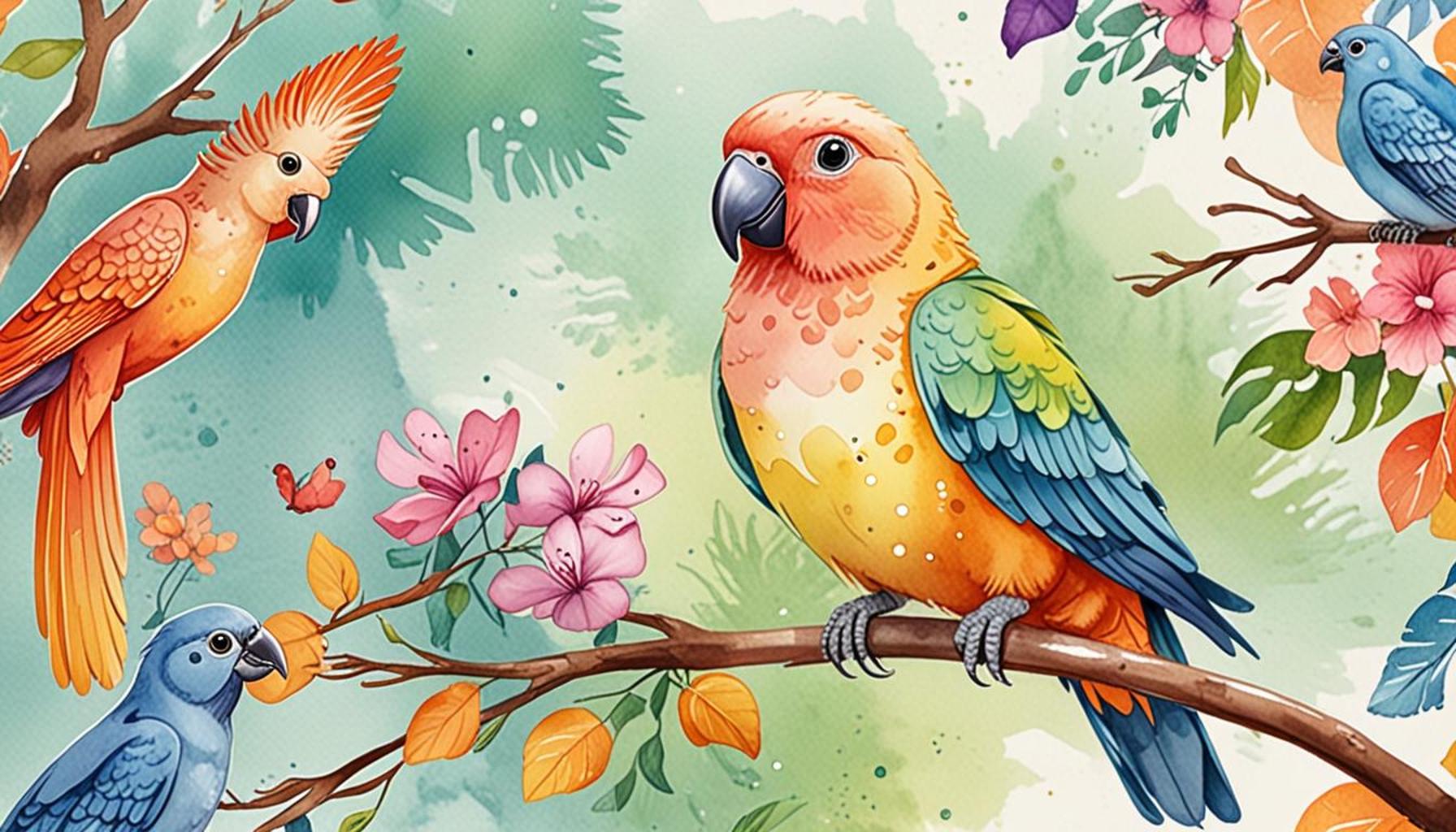
Discovering Your Perfect Feathered Companion
Birds can bring immense joy and vibrancy to any home, offering companionship and a unique personality that many pet lovers cherish. Choosing the right pet bird breed requires careful consideration, as each type has distinct traits, needs, and social behaviors. Understanding these factors can help you select the best winged friend for your lifestyle and environment.
Key Considerations for Choosing a Pet Bird
When venturing into the world of pet birds, several essential aspects should guide your decision:
- Space Requirements: Different birds need varying amounts of space. Small birds like canaries thrive in compact cages, while larger breeds, such as African Grey parrots, benefit greatly from spacious enclosures that allow them to stretch their wings and engage in flight. In Nigeria, where homes may vary in size, potential bird owners should carefully assess available space, keeping in mind that a larger cage can also lead to a more active and happier bird.
- Socialization Needs: Some birds are highly social and need regular interaction, while others are more independent. For instance, budgerigars, or budgies, are known for their friendly nature and enjoy the company of other birds or humans, thriving on daily interactions. Conversely, finches are generally more solitary and do well with less handling. If you lead a busy lifestyle, it is crucial to consider how much time you can dedicate to socializing with your new pet.
- Noise Levels: Consider if you or your neighbors can tolerate the volume your chosen bird species may produce. Parrots, particularly larger species, can be quite loud and may require a home setting that can accommodate their vocal antics. In contrast, smaller birds like canaries and budgies generally have softer, more melodic sounds, which might be more suitable for residential areas in Nigeria where noise regulations could be a concern.
Popular Pet Bird Breeds
There is a wide array of pet bird breeds to explore, each offering its own unique charm:
- Budgerigar (Budgie): Small, colorful, and easy to care for, budgies are one of the most common pet birds worldwide. Their playful nature makes them excellent companions, especially for first-time bird owners.
- African Grey Parrot: Known for their intelligence and vocal abilities, African Grey parrots are considered one of the most cognitively advanced avian species. They require significant interaction and mental stimulation, making them ideal for dedicated owners looking for a deeply engaging companion.
- Canaries: Famous for their stunning songs, canaries are low-maintenance birds that thrive in smaller spaces. Their beautiful plumage and delightful melodies can brighten up any room, making them a beloved choice for many households.
Whether you are in bustling Lagos or serene Abuja, the right pet bird can enhance your home in many ways. These feathered friends not only provide companionship but can also bring a lively atmosphere to your living space. By diving deeper into the world of pet birds and carefully considering your requirements, you can find your ideal match and enjoy the vibrant atmosphere they create in your home!
Understanding Bird Characteristics and Care Requirements
Before bringing a feathered friend into your home, it’s essential to familiarize yourself with the specific characteristics and care requirements of various bird breeds. Each species exhibits its own blend of behaviors, intelligence levels, and dietary needs, making it vital for potential bird owners to align these traits with their personal lifestyle and knowledge of avian care.
Life Span and Commitment
One significant aspect of choosing a pet bird is understanding their potential lifespan. While smaller birds like parakeets may live 5-10 years, larger breeds such as macaws or cockatoos can live for 30 years or more. This longevity means you are making a long-term commitment that could span decades. As such, prospective owners in Nigeria should reflect on their life trajectory and consider whether they are ready to nurture a bird throughout its life journey.
Dietary Needs
Feeding your pet bird a balanced diet is crucial for their health and well-being. Most birds require a combination of high-quality pellets, fresh fruits, vegetables, and occasional seeds. For instance, African Grey parrots thrive on a varied diet to promote their cognitive function, while canaries can flourish on a seed-based diet with occasional treats. It’s important to research each species’ specific dietary requirements and be prepared to provide the necessary nutrition, which can vary significantly depending on your chosen breed.
Social Behavior and Compatibility
- Interaction Level: Some birds, like budgies, are naturally more sociable and enjoy being around their human companions, actively engaging in playful antics and mimicking sounds. It enhances their happiness and mental stimulation. In contrast, species like lovebirds thrive better in pairs, showcasing social behaviors that call for companionship with their kind.
- Cage Setup: The setup of the cage must cater to the needs of the bird. Birds like parrots require diverse perches, toys, and climbing opportunities for their mental and physical well-being. The larger the bird, the more elaborate the setup should be to prevent boredom and promote healthy exercise.
The emotional intelligence and responsiveness of pet birds can be remarkably enriching. These winged companions often have intricate social structures that highlight the importance of understanding their behavioral traits. By investing time in researching the specific needs of various birds, potential owners in Nigeria can build a solid foundation for their relationship with their pet, fostering a nurturing and stimulating environment.
As you delve deeper into the world of pet bird breeds, consider these aspects carefully. Not only will this knowledge guide you in selecting the right kind of feathered friend, but it will also ensure a fulfilling companionship that resonates with your lifestyle and preferences.
| Category | Description |
|---|---|
| Social Birds | Birds that thrive on interaction with humans or other birds, such as Budgerigars and Cockatiels. |
| Companion Benefits | These birds provide emotional support, reduce feelings of loneliness, and are great for families. |
| Intelligent Birds | Birds like African Grey Parrots are known for their smartness and ability to mimic sounds and speech. |
| Cognitive Engagement | Owning intelligent birds ensures mental stimulation, encouraging problem-solving through games and activities. |
When considering the diverse range of pet bird breeds available, it’s essential to focus on your specific living situation and personal preferences. As birds are social creatures, choosing a breed that aligns with your lifestyle is crucial. For example, if you have children or seek a companion, social birds like Budgerigars can bring much joy and lively interaction to your home. In addition, intelligent breeds like African Greys require more attention and mental stimulation, adding a fulfilling dynamic to your everyday life. Birds also offer an engaging and enriching experience, often building a strong bond with their owners. They can become part of the family, offering affectionate companionship and lively chatter that fills your space with happiness. Exploring these options will undoubtedly provide you with insights on how to pick the perfect winged friend. Dive deeper into each breed’s unique qualities to find the match that brings you joy while enhancing your home life.
Assessing Bird Size and Space Considerations
When selecting a pet bird, it’s imperative to consider their size and how it will fit into your living space. Birds range from tiny finches to large parrots, and each size brings unique requirements regarding housing, care, and interaction. Understanding the spatial needs of your chosen breed will not only ensure your bird’s comfort but also foster a harmonious coexistence within your home.
Cage Size and Placement
The size of the cage is critical for your bird’s overall health and happiness. Larger birds, such as Amazon parrots and macaws, need substantial cage space to allow for movement, play, and the exercise necessary to maintain their well-being. A spacious cage with appropriate dimensions would typically be 3 feet wide, 2 feet deep, and 5 feet tall for larger species. Smaller birds, like budgies and finches, still require adequate room to stretch their wings and play, but can thrive in cages appropriate to their size, typically about 2 feet wide and 2 feet tall.
Placement of the birdcage is another crucial aspect to consider. Birds are social creatures and need interaction, so placing their cage in a high-traffic area of your home can prevent feelings of isolation. However, steer clear of locations that are too noisy, breezy, or near direct sunlight, as these can be stressful for your avian friend.
Bird Activity and Exercise Needs
Birds, regardless of their size, require daily exercise to maintain physical and mental health. For smaller species like canaries, a few hours outside their cage for supervised flight can suffice. In contrast, larger birds such as cockatoos or African Grey parrots need more extensive playtime and enrichment activities to prevent boredom and discourage destructive behaviors.
- Flight Space: Providing a safe area for your bird to fly not only benefits its health but also enhances its emotional state. You can create a designated “bird room” or utilize a large aviary if you have the space.
- Toys and Activities: Engaging your bird with stimulating toys can be a game-changer for mental enrichment. For example, chew toys, puzzle feeders, and climbing structures can keep even the most active parrots entertained for hours.
Grooming Needs and Maintenance
Understanding a bird’s grooming requirements is also essential in your planning. Larger species often need regular nail trimming and can benefit from supervised bath time to maintain feather health. Species like budgerigars can be more self-sufficient in grooming but still require periodic evaluations for feather quality and cleanliness.
Additionally, bird owners must be vigilant about cleaning the cage and surrounding areas, as debris from food and feathers can pile up quickly. Regular cleaning is crucial not only for the hygiene of your home but also for the health of your pet bird, helping to prevent respiratory issues associated with dust and waste build-up.
In summary, assessing the physical requirements of your prospective feathered friend can significantly impact your choice of bird breed. From selecting the right cage size and ensuring ample exercise space to understanding groom and cleaning needs, every aspect plays a pivotal role in the quality of life you can offer them. Therefore, taking these factors into consideration will set the foundation for a rewarding pet-bird relationship.
Conclusion: Finding Your Ideal Avian Companion
Choosing the right pet bird is a significant decision that can enrich your life and create lasting companionship. From the vibrant colors of budgerigars to the captivating personalities of African Grey parrots, each breed offers unique traits that can complement your lifestyle. As we’ve explored, important considerations such as size, space, and care requirements play a critical role in ensuring your feathered friend thrives within your home.
Beyond just aesthetics, your bird’s well-being will depend on a thoughtful understanding of their environment and daily activities. Providing adequate space for exercise and engaging them with stimulating toys will not only enhance their physical health but will also encourage social interaction, which is vital for their emotional resilience. Regular grooming and a clean living space are essential to prevent health issues and ensure a happy and thriving bird.
In Nigeria, where the love for pets continues to grow, your choice of bird can be a source of joy and companionship that transcends cultural boundaries. Consider reaching out to local pet shops or avian communities to gather more insights and potentially meet your perfect match. Ultimately, investing time in research and understanding your bird’s specific needs will set the groundwork for a fulfilling bond. Remember, as delightful as these winged friends are, they depend on you for a nurturing environment, and with the right approach, you can create a harmonious and joyful home for both you and your new feathered companion.