Weight Control Diets: Nutritional Strategies for Obese Pets
Understanding Obesity in Pets
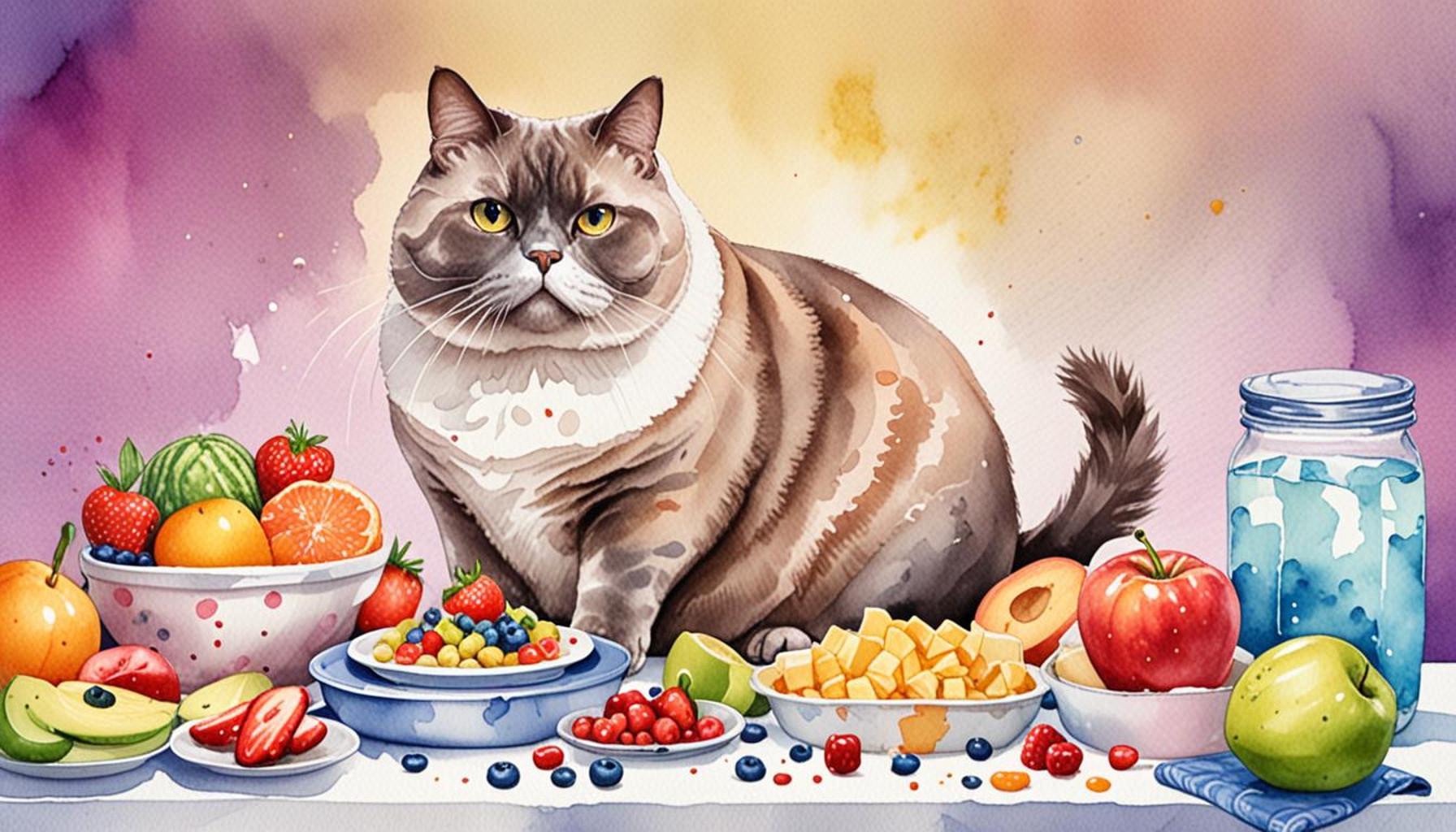
Obesity is an increasingly pressing issue for pet owners around the globe, and Nigeria is no exception. As more households adopt pets, many of these furry companions enjoy the same meals and sedentary lifestyles as their human family members. This can lead to a dangerous expansion of their waistlines. This article delves into effective weight control diets and nutritional strategies specifically designed for obese pets.
The Importance of Weight Management
Keeping pets at a healthy weight is vital to prevent a myriad of health problems that can arise from obesity. Conditions such as diabetes, joint problems, and heart disease not only diminish the quality of life for pets but can also shorten their lifespans dramatically. For instance, a study conducted by veterinary researchers shows that dogs and cats carrying excess weight can have their lifespans reduced by up to two years or more.
In Nigeria, where pet owners frequently consider their animals as part of the family, the implications of obesity become particularly concerning. Popular local foods such as rice and stew are often shared with pets, inadvertently contributing to their weight gain. Thus, understanding the pet’s dietary needs becomes paramount.
Key Nutritional Strategies
When formulating a weight control diet, several critical factors must be considered to ensure your pet achieves a healthy and sustainable weight loss. These include:
- Caloric intake: Monitoring the calories your pet consumes is essential. Many pet owners may not realize that just a small portion of table scraps can add up over time. A good practice is to consult with a veterinarian to determine the appropriate calorie limit based on your pet’s age, weight, and activity level.
- Protein content: Pets require a diet high in protein to help maintain muscle mass while losing fat. It’s important to choose high-quality protein sources, such as chicken, fish, or specially formulated dog food that promotes weight management.
- Types of fats: Not all fats are created equal. Omega-3 and Omega-6 fatty acids are beneficial for pets while promoting a healthy coat and skin. Look for pet foods that contain these essential fatty acids but in moderation, as excessive fat can lead to weight gain.
Implementing these nutritional strategies can significantly impact your pet’s overall health and well-being. However, dietary changes should be gradual, as sudden shifts in diet can cause digestive issues. In the upcoming sections, we will explore specific dietary approaches, including portion control, alternative treats, and behavioral strategies that can aid in achieving your pet’s weight goals. Adopting these techniques will not only enhance your pet’s health but also ensure they live a fuller, happier life alongside their human companions.
Effective Dietary Approaches for Weight Control
Establishing a successful weight control diet for obese pets requires a nuanced understanding of their nutritional needs combined with practical strategies tailored for their unique lifestyles. As pet owners navigate the path toward better health for their companions, it is essential to consider several diet-related concepts that can facilitate effective weight loss. These approaches focus not only on reducing caloric intake but also on enhancing the nutritional quality of meals.
Smart Portion Control
One of the foundational elements of a weight control diet is portion control. Many pet owners underestimate the amount of food they are providing, leading to unintentional overfeeding. To implement portion control effectively, start by measuring your pet’s food using a standard cup measure. Adopting this practice helps in adhering to specific calorie limits recommended by veterinarians.
It’s useful to note that pets often rely on their humans to guide their feeding habits. Establishing a routine feeding schedule—usually two to three meals per day—can be beneficial in preventing excessive snacking. Additionally, pet owners should be mindful of how many table scraps they share, as these treats can contribute significantly to excess caloric intake.
Choosing Quality Ingredients
Another critical aspect of a weight control diet is selecting high-quality pet food that supports weight loss without sacrificing essential nutrients. Look for options that are specifically formulated for weight management. These diets typically contain fewer calories and higher fiber content, helping pets feel fuller for longer periods while they lose weight. Ingredients such as sweet potatoes, peas, and carrots can provide that necessary fiber boost.
- Canned vs. Dry Food: Canned food often contains less fat and more moisture, making it a great option for decreasing the calorie density of meals.
- Ingredient Transparency: Always read labels to ensure the first ingredient is a high-quality protein source, followed by wholesome carbs and fiber.
- Limit Human Food: Avoid giving your pets leftover human meals, which are typically high in fats and oils that can contribute to obesity.
The transition to a weight control diet should be approached gradually. Sudden dietary changes can disrupt a pet’s digestive system, leading to gastrointestinal distress. Ideally, introduce new food over a week or two by mixing it with the current food, gradually increasing the proportion of new food to ensure a smooth transition.
By implementing these dietary approaches, pet owners take significant steps toward improving their pets’ health and well-being. It’s a journey that requires patience and commitment, but the rewards—an active and happy pet—are well worth the effort.
| Advantage | Explanation |
|---|---|
| Improved Health | Weight control diets significantly reduce the risk of obesity-related diseases in pets, including diabetes, arthritis, and cardiovascular issues. |
| Enhanced Mobility | By implementing nutritional strategies, pets experience increased energy levels, leading to improved mobility and physical activity. |
Another critical aspect of weight control diets is the careful formulation of meal plans that emphasize low-calorie, high-nutrient foods. These diets often incorporate ingredients that promote satiety while minimizing fat content, ensuring pets feel full without overindulging. The use of fiber-rich foods such as vegetables and whole grains not only helps in maintaining a healthy weight but also aids in digestive health.Moreover, specific feeding schedules and portion control are essential elements of a successful weight control strategy for pets. By establishing a consistent routine, owners can monitor their pets’ intake, preventing the common issue of overfeeding associated with free feeding. Pet owners may also benefit from consulting with a veterinarian or a pet nutritionist to customize a weight control plan tailored to their pet’s unique needs, taking into account factors such as breed, age, and existing health conditions. This professional guidance can significantly enhance the effectiveness of nutritional strategies, leading to sustainable weight management and an overall healthier lifestyle for obese pets. Investing time in understanding the impact of a well-balanced diet on a pet’s well-being can make a profound difference in their quality of life.
Behavioral Modifications to Support Weight Loss
While adjusting dietary habits plays a crucial role in managing an obese pet’s weight, it’s equally important to address behavioral modifications that can reinforce weight loss efforts. Understanding how animals interact with food and their environment enables pet owners to devise strategies that foster healthier behaviors. The following tactics can be extremely effective in promoting weight loss in pets:
Increasing Activity Levels
Encouraging regular physical activity is essential for combating obesity. Engaging pets in consistent exercise helps burn calories and build muscle mass, which can enhance metabolism. Routine walks, interactive playtime with toys, or even agility training can stimulate a pet’s interest and urge them to move more. In Nigeria, these activities can be made enjoyable by taking pets to open spaces such as parks, where they can run freely and socialize.
Pet owners can also consider incorporating structured play sessions, such as fetch or tug-of-war, into their daily routine. Additionally, pet-friendly group activities, such as doggy playdates, can facilitate physical interaction while helping pets remain active.
Leveraging Low-Calorie Treats
To satisfy your pet’s need for treats while still adhering to a weight control diet, consider offering low-calorie alternatives. Fresh fruits and vegetables like carrots, cucumber slices, or pieces of apple (without seeds) can serve as nutritious and satisfying snacks. In Nigeria, local options like boiled or steamed yam can also be a delightful treat, giving pets a taste of beloved human foods without the excessive calories.
When selecting commercial pet treats, scrutinize the labels for options made from whole foods with natural ingredients, avoiding those that contain fillers and preservatives that could contribute to weight gain.
Positive Reinforcement and Training
Utilizing positive reinforcement techniques not only aids in shaping desired behaviors but also strengthens the bond between pet owners and their animals. Rewarding pets for adhering to weight control guidelines—such as completing a training session or engaging in active play—can motivate them to continue their good behavior. This method further signals to pets that exercise and maintaining a healthy lifestyle yield positive outcomes.
Training should be consistent and enjoyable, encompassing basic obedience commands, which can serve as mental stimulation and increase their willingness to follow rules about food access and exercise. By setting boundaries, pets learn to associate a well-disciplined lifestyle with love and care.
Monitoring Progress
Keeping track of your pet’s weight loss journey is crucial. Pet owners should regularly measure their animal’s weight—ideally weekly—and maintain records to assess progress effectively. This data can help in making necessary adjustments to their diet or exercise regimen based on observed changes.
Additionally, scheduling routine veterinary check-ups is vital for monitoring underlying health conditions that may be contributing to obesity, such as hormonal imbalances or metabolic disorders. Regular consultations allow for tailored dietary recommendations based on a pet’s unique health situation.
Incorporating these behavioral strategies can enhance weight loss efforts, cultivating a healthier lifestyle for pets. It is a commitment that requires consistent dedication, but the outcome is a happier and more energetic companion, enhancing the quality of life for both pet and owner.
Conclusion: Embracing Healthy Habits for Your Pet’s Well-being
In the journey toward managing obesity in pets, adopting effective weight control diets and implementing strategic behavioral modifications are paramount. This comprehensive approach not only addresses the nutritional needs of your furry companion but also encourages a more active and fulfilling lifestyle. By providing balanced meals that include lean proteins, high-quality carbohydrates, and essential fats, pet owners can support optimal weight loss while ensuring their pets receive the vital nutrients needed for overall health.
Moreover, fostering an environment that promotes increased physical activity, utilizing positive reinforcement in training, and making mindful choices about treats can significantly enhance the effectiveness of dietary efforts. Techniques such as incorporating local foods, like yam, into treats offers variety while satisfying your pet’s cravings without derailing their weight loss journey.
As responsible pet owners, it is crucial to stay informed and proactive in monitoring your pet’s progress and health. Routine veterinary check-ups serve as essential checkpoints for identifying any underlying health issues that may impede weight loss and allow for tailored dietary adjustments. Ultimately, creating a synergistic blend of proper nutrition, behavioral changes, and regular vet consultations will facilitate a marked improvement in your pet’s quality of life.
In conclusion, a commitment to weight control diets combined with sustainable lifestyle changes can transform your pet’s wellbeing. With patience and consistent dedication, you’re not just promoting weight loss; you’re nurturing a healthier, happier companion that can enjoy life to the fullest.