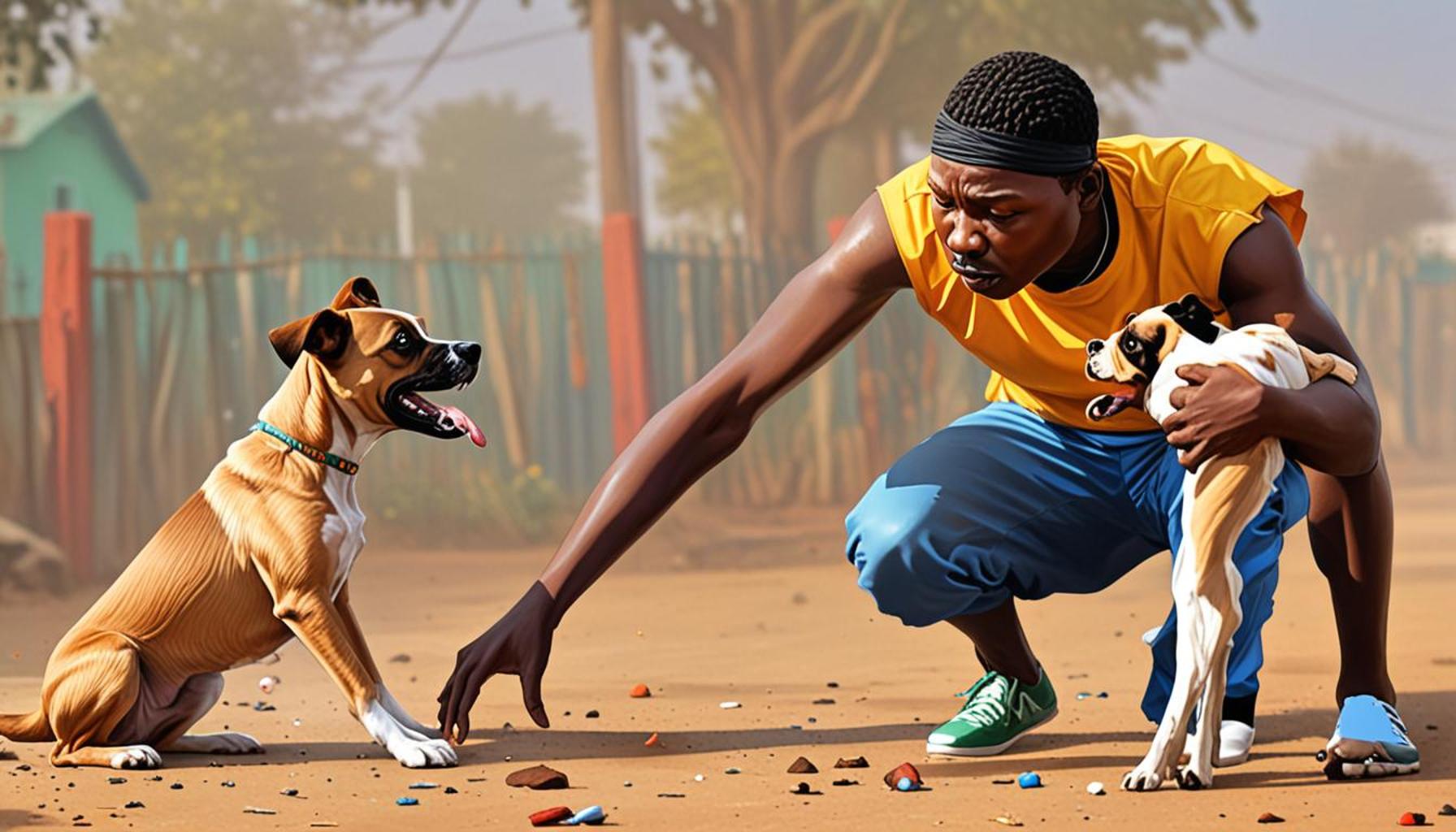
The Impact of Cultural Environment on Dog Training in Nigeria
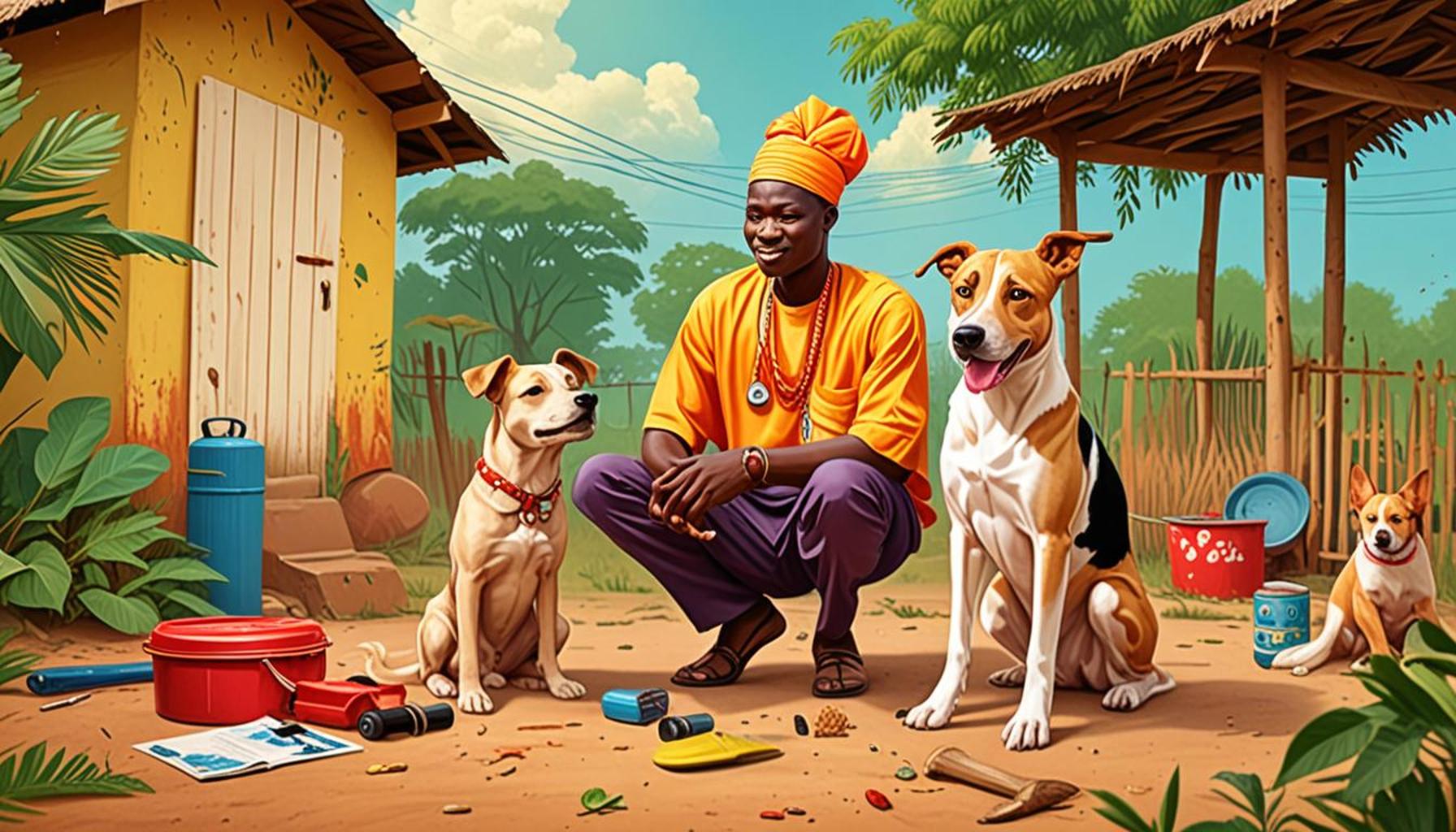
Exploring Influences on Dog Training Practices in Nigeria
Dog training in Nigeria is not merely a series of commands and corrections; it is a reflection of the rich cultural tapestry of the nation. Given its diverse ethnic landscape, which encompasses over 250 ethnic groups, the training of dogs varies significantly across different regions and communities. Each group brings its unique customs and philosophies toward animals, fundamentally shaping the training practices adopted.
Ethnic Diversity: Within the Yoruba culture, for instance, dogs are often seen as protectors and companions, leading to training practices that emphasize loyalty and obedience. In contrast, among the Fulani herders, dogs are primarily viewed as working animals essential for herding cattle. This distinction creates a vastly different training environment where functionality takes precedence over companionship. Such variations illustrate how deeply entrenched beliefs about the role of dogs influence the methods applied in training.
Religious Beliefs: Moreover, religious views can have a profound impact. In certain Islamic communities, dogs are often perceived as unclean, which may limit their role to that of security rather than as household pets. This cultural stigma can lead to less engagement in training, thereby affecting the bond between the owner and the dog. Conversely, in many Christian households, dogs are viewed as loving companions, leading to an emphasis on positive reinforcement training methods that strengthen the human-animal relationship.
Urban vs. Rural Dynamics: The dichotomy between urban and rural life further complicates the training landscape. In urban centers like Lagos, pet owners are increasingly adopting modern training techniques influenced by international pet culture. Here, training schools are becoming more popular, offering classes that incorporate contemporary practices such as obedience training and agility courses. In contrast, in rural areas, traditional methods may prevail, where training often involves utilitarian approaches to meet immediate needs, such as guarding homes or herding livestock. The result is a diverse ecosystem of training methods, each tied to its cultural representatives.
Additionally, with the rise of social media and the internet, trends in dog training are rapidly evolving. Pet owners are sharing videos and tips online, leading to an increasing amalgamation of traditional and modern training techniques. For example, the popularity of celebrity pets on platforms like Instagram influences local dog owners to adopt unconventional training styles, which can range from harness training to behavioral modification techniques, previously unfamiliar to many.
This cultural hybridity presents both challenges and opportunities for pet owners in Nigeria. Understanding and respecting local traditions while embracing beneficial global practices can create a more harmonious relationship between humans and their canine companions. As we delve deeper into these practices, it becomes evident that navigating the cultural environment is essential for effective dog training, highlighting the need for ongoing dialogue and education in developing mutual understanding and respect within the local context.
Understanding Cultural Influences on Dog Training Techniques
The relationship between culture and dog training in Nigeria is complex, revealing how diverse traditions shape the approach to training man’s best friend. To fully comprehend this impact, it is crucial to explore various cultural dimensions that contribute to the dog training landscape in the country.
Traditional Practices: Many Nigerian communities traditionally practice deep-rooted customs that dictate animal handling. For instance, in the Igbo culture, dogs are often associated with hunting and protection, leading to a training focus on skills such as alertness and retrieval. Training methodologies here may involve harsher tactics, including physical discipline, stemming from the belief that stronger corrections encourage better obedience. This contrasts sharply with contemporary training philosophies that emphasize positive reinforcement. Additionally, certain traditional rites and ceremonies often involve dogs, further embedding them into communal life and influencing their training.
Community Influence: In many localities, dog training is not solely an individual endeavor but a communal activity. Owners often share training experiences and techniques during communal gatherings, bringing a collective wisdom to the practice. This phenomenon highlights how cultural beliefs and practices around dog training can create a collective approach that differs from the individualized training seen in more Westernized societies. The active participation of community elders in mentoring new dog owners fosters a unique environment conducive to transmitting traditional knowledge about dog obedience and care.
Gender Roles: Gender dynamics also play an integral role in dog training in Nigeria. In various communities, men are frequently regarded as the primary handlers of dogs, tasked with obedience and securing the household. Women, on the other hand, may focus on the nurturing aspect, fostering a bond with the animal. This division can influence the training techniques employed, where men might use more authoritative methods, while women might lean towards creating a more affectionate relationship with the dog. It raises questions about the effectiveness of these gender-specific approaches and highlights the need for cross-learning between different training styles.
- Rural Techniques: In rural areas, the practical applications of dogs for herding, guarding, and family protection dominate training methods.
- Urban Adaptation: Urban owners tend to adopt advanced techniques influenced by international dog care standards, emphasizing agility, obedience, and socialization.
- Influence of Technology: With social media’s reach, local dog owners are increasingly exposed to diverse training tutorials, creating a blend of traditional and contemporary practices.
The interplay between these elements illustrates how the cultural environment serves as the backbone of dog training in Nigeria. A nuanced understanding of these influences not only enriches the process of training dogs but also enhances the relationship between owners and their pets. Further examination of these factors reveals potential for growth and improvement in training methodologies, paving the way for a more harmonized approach to dog training for future generations.
| Cultural Influences | Training Techniques |
|---|---|
| Cultural Beliefs about Dogs | Positive Reinforcement Methods |
| Some communities view dogs as guardians rather than companions, affecting their training priorities. | Effective training often involves rewarding desired behaviors, leading to improved dog-owner relationships. |
| Traditional Methods | Adaptation to Local Practices |
| Some trainers rely on local traditions which may not align with modern dog behavior science. | Adapting training approaches to include cultural norms can enhance effectiveness. |
The cultural environment in Nigeria plays a pivotal role in shaping how dog training is approached. Various regional beliefs influence the perception of dogs, often categorizing them as either utility animals or pets. This dichotomy significantly impacts the training methodologies employed, with some communities favoring guards over companions. Traditional training methods may sometimes disregard contemporary techniques that emphasize understanding canine behavior.For effective dog training, it is essential to adopt strategies that resonate with local cultural norms while also integrating modern positive reinforcement techniques. By molding training practices to align with community beliefs, trainers can foster better relationships between dogs and their owners, significantly improving the outcome of the training process. This dynamic reflects a broader trend in recognizing how cultural contexts can facilitate or hinder the development of effective dog training practices in Nigeria.
The Role of Socioeconomic Factors in Dog Training Practices
The cultural environment in Nigeria also encompasses various socioeconomic factors that play a critical role in shaping dog training methodologies. These factors can significantly influence how dogs are trained, owned, and perceived within different communities.
Economic Status: The economic background of dog owners often dictates the type of training methods they can afford and implement. Owners from higher socioeconomic backgrounds may have access to professional trainers and advanced training classes, which commonly feature scientific techniques and modern practices such as clicker training and behavioral modification methods. In contrast, dog owners from lower economic strata may rely more on traditional techniques passed down through generations, often employing a more rudimentary approach to obedience and care that can sometimes incorporate unethical training practices. This disparity highlights a crucial divide that can affect the overall well-being and socialization of dogs within different economic circles.
- Access to Resources: Communities with better access to pet care resources, such as training schools and veterinarians, tend to have more educated dog owners who can implement positive reinforcement techniques effectively.
- Training Opportunities: Well-developed urban areas may offer training seminars and workshops led by experts, further benefiting attendees through exposure to best practices in dog care and obedience.
- Animal Welfare Awareness: Increasing awareness of animal welfare issues has also led to a shift in attitudes towards training methods. Many urban dog owners are adopting welfare-friendly methods that align with international standards.
Cultural Perceptions of Dogs: The perception of dogs within different Nigerian cultures further complicates the dog training landscape. For example, in some regions, dogs are primarily seen as work animals, valued for their utility in herding or guarding livestock. This utilitarian view influences the training focus, emphasizing practical skills over social behaviors. Meanwhile, in urban settings, where dogs are often viewed more as companions, training might prioritize socialization and behavior modification, showcasing a shift toward more humane treatment and training methodologies.
Religious Influences: Religion also plays a significant role in shaping attitudes toward dog training in Nigeria. In some Islamic communities, dogs are perceived as unclean animals, which can lead to a lesser emphasis on dog training and ownership. Such beliefs can impact engagement levels in training practices and foster misconceptions about dogs and their behavior, further complicating community dynamics around pet ownership.
Impact of Globalization: The rapid spread of globalization provides an interesting twist on the traditional training techniques employed within Nigeria. Exposure to international dog training methods from social media and online platforms has inspired many dog owners to adapt their approaches, creating a hybrid system where traditional practices blend with modern techniques. This evolving trend reveals an inclination toward positive reinforcement and ethical training methods, even in traditionally conservative communities.
As these socio-economic and cultural factors intertwine, they create a multifaceted dog training environment in Nigeria. Recognizing and understanding the significance of these elements can enhance practices and foster more responsible and effective training approaches tailored to diverse communities throughout the country.
Conclusion: Navigating the Cultural Landscape of Dog Training in Nigeria
In understanding the impact of cultural environment on dog training in Nigeria, it becomes evident that the interactions of socioeconomic factors, cultural perceptions, and religious beliefs create a complex web, influencing every aspect of dog ownership and training in the country. Dog training is not merely a reflection of individual preferences but rather a manifestation of broader cultural narratives that dictate how dogs are perceived and treated.
Economic disparity plays a significant role, shaping accessibility to professional trainers and advanced methodologies, while the varying perceptions of dogs—from functional work animals in rural communities to cherished companions in urban settings—further define training focuses. These cultural nuances often translate into distinct training practices, revealing a blend of traditional and modern techniques that continue to evolve thanks to globalization and increasing awareness of animal welfare.
Furthermore, regional differences, influenced by religious beliefs, affect the willingness of certain communities to embrace dog training, reinforcing the need for tailored approaches that consider these perspectives. As Nigeria navigates the wave of modernization and globalization, the intertwining of modern training methods with traditional practices offers an exciting frontier for dog owners and trainers alike.
Ultimately, fostering a more empathetic and responsible dog training culture in Nigeria requires a collective effort to bridge socioeconomic gaps, challenge outdated perceptions, and raise awareness about the welfare of dogs. Embracing these changes could lead not only to improved dog training practices but also to a deeper bond between humans and their canine companions, promoting a more harmonious relationship across the diverse cultural landscape of Nigeria.