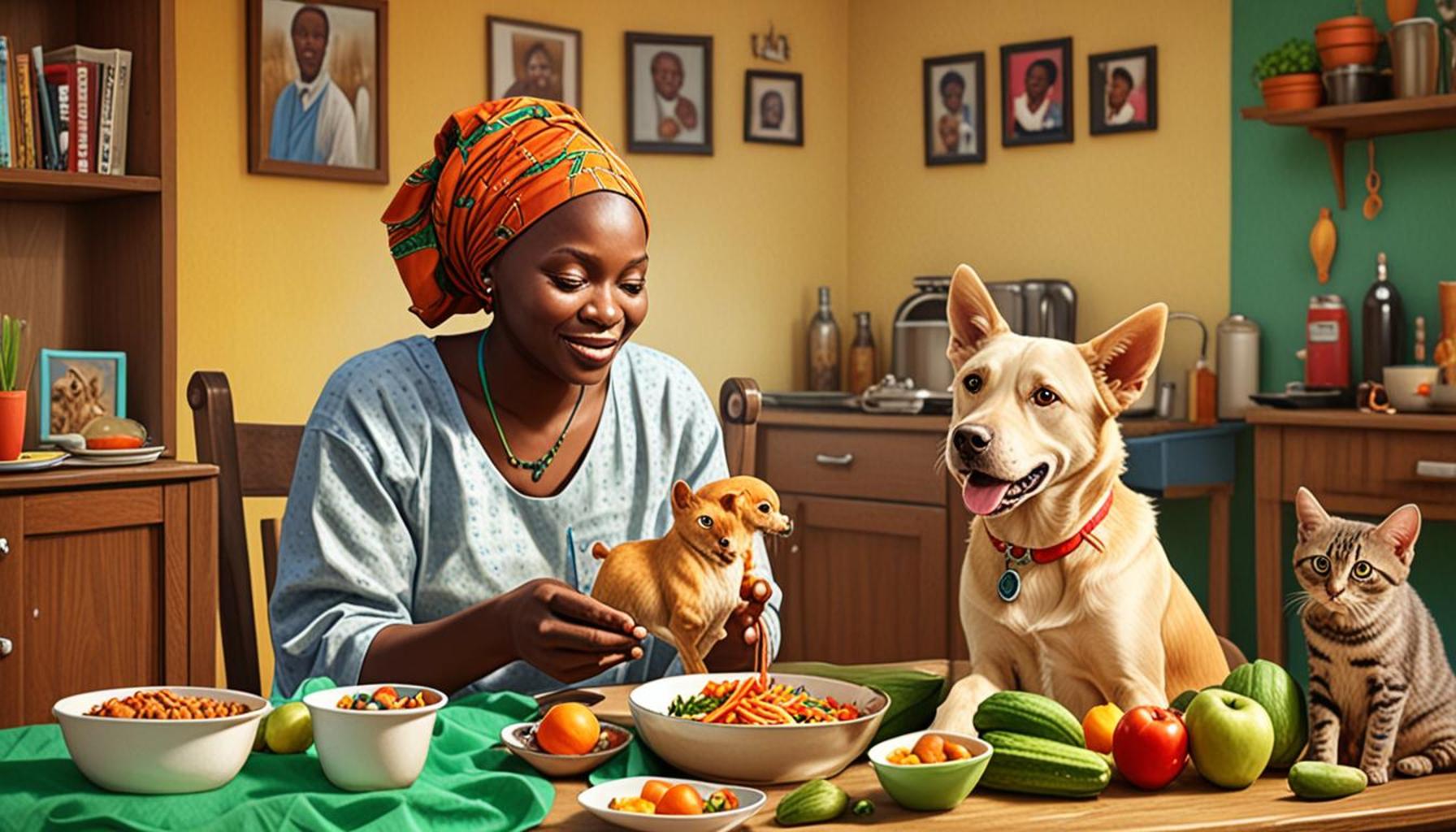
The Influence of Interactions with Pets on the Improvement of the Quality of Life of Nigerian Seniors
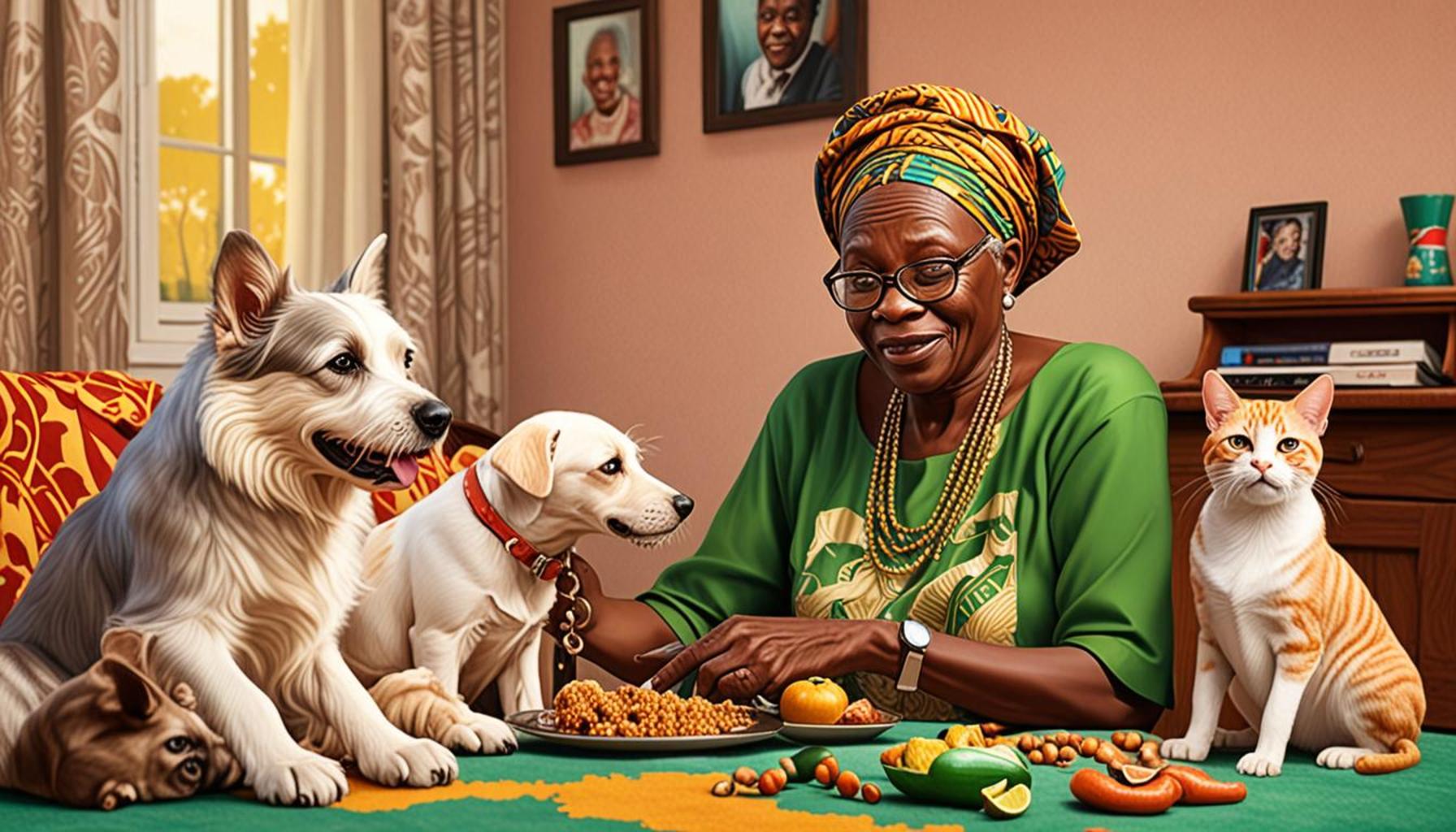
Enhancing Senior Lives Through Pet Companionship
The phenomenon of pet ownership is gaining traction among Nigeria’s elderly population as a holistic approach to enhancing their quality of life. In an era where many older adults face isolation and health challenges, pets serve as catalysts for emotional connectivity and physical activity. Engaging with animals can remarkably improve the mental health and overall well-being of seniors, leading to happier and more fulfilling lives.
Emotional Support and Mental Health
One of the most profound benefits of having a pet is the emotional bonding it fosters. Animals provide an unmatched level of unconditional love and companionship. This connection helps to mitigate feelings of loneliness—especially critical in a society where family dynamics may shift as children move away for work or education. For instance, a 75-year-old widow in Lagos shared her story of how adopting a little dog turned her days around. She stated, “Whenever I sit alone, my dog curls up beside me and it feels like I am never alone.” Such experiences resonate deeply within the community, making pet ownership a vital emotional support mechanism.
Promoting Physical Activity
Beyond emotional fulfillment, pets encourage physical activity in seniors. Routine responsibilities such as walking a dog or tending to a cat can keep older adults physically engaged. According to studies, regular interaction with pets can lead to lower blood pressure and improved cardiovascular health. Imagine an 80-year-old grandfather who, instead of being sedentary, takes his grandchildren’s dog for a lively walk around the neighborhood. This not only keeps him active but also enhances social interactions in the community.
Creating Purpose and Routine
Engaging with pets also establishes a much-needed routine and purpose in the everyday life of seniors. The simple act of feeding, grooming, or walking a pet can inject structure into their day. For many elderly Nigerians, such tasks can serve as a gratifying responsibility, reinforcing feelings of self-worth. For example, a retired teacher in Enugu reflects on how caring for her parrot keeps her engaged and curious. “Every morning, I look forward to preparing her breakfast. It gives me joy and a reason to get up early,” she expressed.
The cultural context in Nigeria, which combines a rich appreciation for animals with a longstanding respect for elders, nurtures these relationships. This dynamic is evident in urban and rural areas alike, where pets, particularly dogs and cats, become integral parts of the family unit, bridging the generational gap and enhancing social interactions.
In summary, the bond between Nigerian seniors and their pets extends beyond companionship; it’s a complex relationship that enhances quality of life in many ways. As this article unfolds, we will delve deeper into heartwarming stories and serious studies that illustrate how these animal companions profoundly impact the lives of the elderly. Discover the many facets of pet ownership and explore how these loving bonds can facilitate more vibrant lives for elders across Nigeria.
Unlocking Joy Through Pet Interactions
As the world around them becomes more fast-paced and digitally connected, many Nigerian seniors find solace in the simple, yet profound, bond formed with pets. This relationship transcends mere companionship, striking at the heart of what makes life meaningful. The interactions between pets and their elderly owners are not just emotional comforts; they are therapeutic interventions that significantly boost the quality of life.
The Role of Pets in Reducing Loneliness
For many older adults in Nigeria, loneliness can be an unavoidable phase of life. Pets offer a remedy for this emotional struggle, acting as diligent companions who provide unwavering loyalty. When a senior feels the warmth of a cat purring beside them or the joyful wag of a dog’s tail upon their arrival, the sense of isolation diminishes. Studies have revealed that seniors who own pets often report feeling less lonely and more socially connected.
- Emotional companionship: Pets can provide companionship that is often missed when family members are not around.
- Reduced anxiety: The presence of pets can alleviate feelings of anxiety that accompany solitude.
- Enhanced mood: Animal interactions can stimulate the release of serotonin and dopamine, chemicals that boost happiness.
In various Nigerian communities, local elders highlight how their pets have become their primary source of companionship. An 82-year-old grandmother in Port Harcourt shared, “On days when my grandchildren are busy, my dog knows how to cheer me up. It simply cuddles closer and reminds me I am loved.” Such anecdotes echo across the nation, revealing the powerful role pets play in combating loneliness.
Fostering Cognitive Engagement
Pets not only offer emotional support; they also play a key role in enhancing cognitive stimulation among senior citizens. Caring for a pet requires mental engagement—from remembering feed times to training routines and even recognizing any health issues that may arise. These activities help keep the mind active, potentially delaying the onset of ailments like dementia. For example, participating in a dog-training club or attending a pet care workshop can challenge seniors cognitively and socially, leading to improved memory retention and mental agility.
Many elderly Nigerians have found that these activities not only build their confidence but also spark new interests. A former civil servant from Abuja remarked how his daily chore of taking his dog to the park led him to meet other pet owners. “We discuss everything from our pets’ antics to life stories. I never thought owning a dog could help me make new friends at my age!” he stated, showcasing how pets can bridge the gap between solitude and vibrant community participation.
The emergence of pet-centric community programs illustrates the recognition of this dynamic relationship between seniors and their pets. Local governments and NGOs are beginning to promote pet adoption and responsible ownership among seniors, understanding the profound impact it can have on their health and happiness.
Thus, the remarkable interactions between Nigerian seniors and their pets are reshaping the narrative on aging and well-being. As this series continues, readers will discover diverse stories and research that further attest to the transformative effects of pet companionship in enhancing the lives of Nigeria’s elderly population.
As we delve deeper into the topic of The Influence of Interactions with Pets on the Improvement of the Quality of Life of Nigerian Seniors, it becomes increasingly clear that the connections formed between seniors and their pets are profound and impactful. These relationships not only provide companionship but also foster a series of health benefits that can significantly enhance the quality of life among the elderly population in Nigeria.
Research suggests that engaging with pets can lead to lower levels of stress and anxiety among seniors. The simple act of petting a dog or cat can release endorphins that promote feelings of happiness and relaxation. This interaction is crucial in combating the loneliness that many elderly individuals face, especially those who live alone. Additionally, pets can offer emotional support, which enhances mental health and contributes positively to the psychological well-being of seniors.
Moreover, the presence of pets encourages physical activity and responsible routines. Seniors who own pets are often more inclined to take daily walks, play, or engage in physical exercises, thereby improving their overall health and mobility. Notably, these activities can help in managing chronic illnesses, reduce heart disease risk, and improve overall emotional health through increased physical engagement.
| Benefits of Pet Interaction | Aspects of Senior Life |
|---|---|
| Reduced Loneliness | Companionship helps to alleviate feelings of isolation. |
| Improved Mental Health | Emotional stability through pet interactions decreases anxiety levels. |
| Encourages Physical Activity | Regular walks and active play help seniors maintain physical fitness. |
| Enhanced Social Interaction | Pets can serve as social catalysts, bringing communities together. |
The potential for pet ownership to transform the lives of Nigerian seniors is significant. Not only does this relationship promote physical activity and emotional well-being, but it also fosters a sense of community and belonging. Encouraging pet adoption and fostering connections between pets and elderly individuals may very well be a key strategy to enhance the quality of life for seniors across Nigeria.
Health Benefits of Pet Ownership for Seniors
The connection between Nigerian seniors and their pets transcends emotional fulfillment; it encompasses a range of significant health benefits that contribute to improved quality of life. Engaging with pets leads to better physical health, fostering an active lifestyle that is essential for seniors who may face mobility and health-related challenges.
Encouraging Physical Activity
One of the most notable advantages of pet ownership is the promotion of regular physical activity. Dogs, in particular, require daily walks, creating a natural incentive for seniors to remain active. This exercise not only enhances cardiovascular health but also strengthens muscles and promotes joint flexibility. A 70-year-old retiree in Lagos remarked, “Walking my dog has kept me young. We go for long walks every morning, and I feel more energetic than I have in years.” Such testimonials are common among seniors who find that the responsibility of caring for a pet encourages them to stay physically active.
Research has shown that pet ownership can reduce the risk of heart disease. A study conducted by the American Heart Association found that dog owners have lower blood pressure and lower cholesterol levels compared to non-pet owners. For Nigerian seniors battling hypertension or other cardiovascular ailments, this could be a game-changer in managing health conditions through more engaging lifestyles.
Strengthening Immunity and Overall Health
Aside from the boost in physical activity, interactions with pets can also enhance immunity among older adults. Studies indicate that pet owners tend to have a lower incidence of diseases, owing to the beneficial effects of pet exposure on the immune system. Additionally, the act of petting and interacting with animals can lower cortisol levels—known to be the stress hormone—while elevating oxytocin, the hormone linked to bonding and relaxation.
Moreover, pets can also serve as alert systems for medical emergencies. Senior owners often express comfort in knowing that their four-legged companions could potentially sense and respond to their owners’ emotional or physical distress. For example, trained therapy and service dogs have been known to recognize signs of anxiety attacks or other urgent health situations, allowing for timely interventions. Such insights illuminate the multifaceted roles pets play in the health and safety of elderly Nigerians.
Social Integration Through Pet Ownership
Another critical aspect of the impact of pets on the lives of Nigerian seniors is how they facilitate social integration. Pet owners often find themselves becoming active members of local communities, participating in pet-related events and gatherings. In urban centers like Ibadan or Abuja, dog parks and pet clubs are emerging as popular social venues where seniors can meet and connect with others who share a common interest in their furry companions.
- Community bonds: Pet ownership often fosters friendships among seniors, breaking down the barriers of isolation.
- Tailored activities: Pet-centric activities such as dog shows and training classes offer a platform for social engagement.
- Support networks: Pets can help create informal support systems, allowing older adults to engage and rely on one another.
In many traditional Nigerian communities, the bond with pets can also provide elders with a sense of purpose. Taking care of an animal often translates into a renewed sense of responsibility, allowing them to feel valued and needed, which is crucial as they navigate the later stages of life. As we delve deeper into the rising trend of pet adoption and its ramifications, we will uncover more fascinating aspects of this bond between Nigerian seniors and their beloved pets.
Conclusion: The Transformative Power of Pets in Enhancing the Lives of Nigerian Seniors
The relationship between Nigerian seniors and their pets encapsulates a powerful narrative of enhanced quality of life, one marked by emotional, physical, and social revitalization. As explored throughout this article, the influence of pets extends far beyond companionship; it acts as a vital catalyst for improved mental health by combatting loneliness and fostering a sense of belonging. With increasing evidence supporting the numerous health benefits associated with pet ownership, it becomes clear that the presence of animals can lead to significant physical improvements such as enhanced mobility and reduced stress levels.
Moreover, pets serve as important agents of social integration, bridging gaps between seniors and their communities. The emergence of communal spaces like dog parks allows for shared experiences, encouraging friendships and support networks among older adults. This interaction is crucial in combating isolation, a prevalent issue facing many seniors in Nigeria. As we bear witness to the rising trend of pet adoption across the country, it is essential for communities and policymakers to recognize the considerable impact that pet ownership can have on the lives of the elderly.
In summary, the bond between Nigerian seniors and their pets enriches both lives, presenting a unique opportunity to meld companionship with health and social interaction. As more seniors embrace the joys of pet ownership, society stands to benefit from the collective enhancement of well-being and community spirit. For those seeking a fulfilling and balanced life in their golden years, the companionship of a pet might just be the key to unlocking new possibilities for joy and purpose.