
Pet Behavior Training to Prevent Adoption Issues in Nigeria

Challenges Faced by New Pet Owners
Nigeria has seen a remarkable increase in pet adoption recently, especially among urban families. This trend offers the promise of love and companionship that pets bring. However, many new pet parents are often faced with a myriad of challenges that can transform this experience into a stressful endeavor. One of the pivotal aspects that can significantly impact the success of pet ownership is pet behavior training.
New owners frequently encounter behavior-related issues, and understanding these can help create a more harmonious living environment. For instance, aggression towards strangers or other pets can stem from inadequate socialization during the early stages of a pet’s life. This lack of exposure can foster fear or territorial instincts, leading to nervous or aggressive responses. In Nigeria’s vibrant neighborhoods, encounters with other animals or unfamiliar individuals are common, making early behavioral training vital.
Another significant concern is separation anxiety, particularly prevalent among dogs. This condition manifests when pets become overly attached to their owners and react negatively when left alone—leading to destructive behaviors such as chewing furniture or excessive barking. As urban living often requires long working hours, neglecting to train pets to cope with solitude can lead to household chaos and stress for both the owner and the animal.
House training also presents challenges that can test the patience of new pet owners. Issues such as frequent accidents indoors can discourage families, making them feel overwhelmed. However, these problems can typically be resolved through consistent training methods that teach pets where and when it is appropriate to relieve themselves. In communities across Nigeria where outdoor space might be limited, having well-trained pets is essential to maintaining a clean home and neighborhood.
Addressing these challenges with proper training not only promotes stable relationships between pets and their owners but also contributes to lowering the high rates of abandonment seen in overcrowded shelters. For instance, community-led initiatives in cities like Lagos and Abuja have started offering workshops on basic behavior training techniques for new pet owners. By engaging with these resources, families can build a deeper bond with their pets, ensuring a happier and healthier coexistence.
Benefits of Implementing Training Techniques
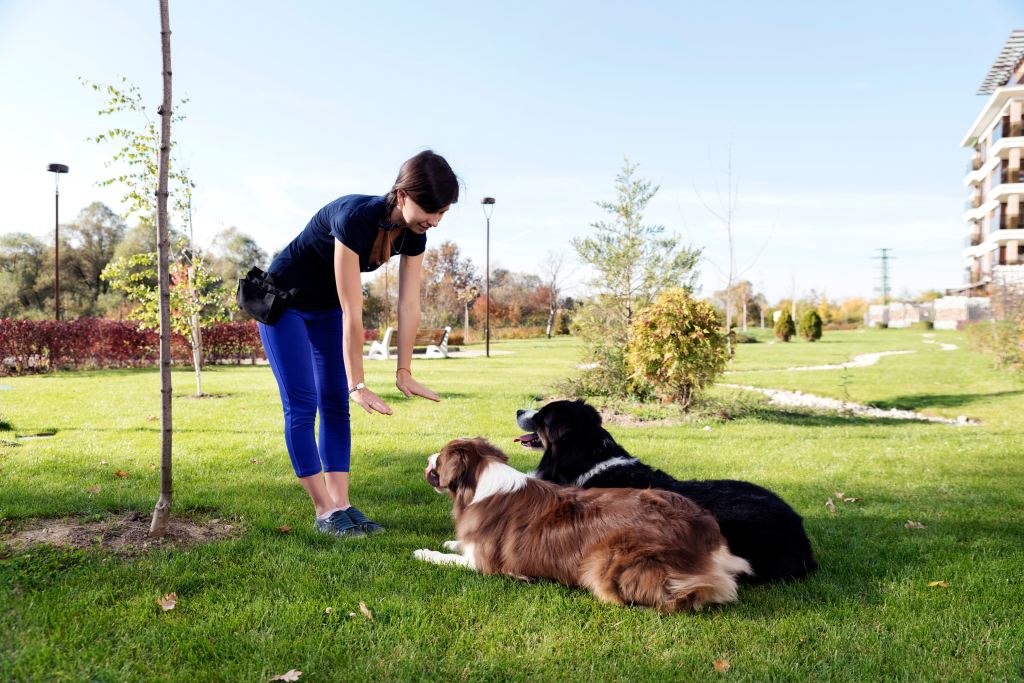
Investing time in pet behavior training enhances the overall experience of pet ownership. Various techniques, such as positive reinforcement—rewarding desirable behaviors with treats or praise—encourage pets to learn more effectively. This method not only leads to faster learning but also strengthens trust between the pet and its owner, fostering an enviable companionship.
In conclusion, the rising tide of pet adoption in Nigeria brings with it the necessity for understanding and addressing behavioral challenges. By equipping themselves with the right training strategies, new pet owners can enrich their own lives and those of their beloved pets, fostering a community that champions responsible pet care and promotes animal welfare across the nation.
Understanding Common Behavioral Issues
The bond between humans and their pets is meant to be a fulfilling and joyful experience; however, behavioral issues can bring significant challenges to new pet owners in Nigeria. It’s essential for prospective pet parents to comprehend the common issues they may face and employ effective behavior training strategies to address them. Knowledge and training can ease the transition for both pets and their families, fostering a happier environment.
One of the most prevalent behavioral issues is destructive behavior. Pets, particularly young dogs, are prone to chewing, scratching, or knocking over household items when they are anxious, bored, or untrained. For many new owners, discovering their favorite shoes or furniture in tatters can be devastating. This can be especially problematic in densely populated urban areas like Lagos or Port Harcourt, where living space is limited. Understanding the root cause of this behavior, such as insufficient exercise or mental stimulation, is crucial. Structured playtime, interactive toys, or consistent training can provide pets with a focus, mitigating their urge to destroy household items.
Excessive barking is another common issue faced by pet owners. While dogs naturally bark to express their needs or emotions, some may engage in barking excessively, leading to frustration for both the owner and neighbors. In urban settings where noise pollution is a concern, managing and training barking habits is important. Owners should aim to understand the triggers behind the excessive barking, whether it be boredom, separation anxiety, or fear, and utilize training to address these stimuli. Techniques such as controlled exposure and introducing calm practices can be effective in reducing barking.
Moreover, leash pulling during walks can turn a routine outing into a challenge. Many pet owners find themselves physically strained as their excited pets lead them on a wild chase. This not only strains the owner but can also become dangerous in busy streets. Teaching pets how to walk calmly alongside their owners is essential for both safety and enjoyment during walks. Through consistent training practices and employing behavioral cues, dogs can learn proper walking etiquette, transforming daily walks into pleasant bonding experiences.
To effectively combat these issues, new pet owners should embrace a set of behavior training techniques that adhere to their pets’ specific needs and temperaments. Consider employing the following strategies:
- Positive Reinforcement: Rewarding good behavior with treats or praise.
- Routine and Consistency: Establishing a regular schedule for feeding, exercise, and training.
- Socialization: Introducing pets to various environments, people, and other animals to build confidence.
- Patience: Recognizing that training takes time, and celebrating small victories.
By implementing these strategies, new pet owners can prevent adoption issues from arising and create a loving environment for their furry companions. Additionally, engaging with local pet training workshops and resources can provide valuable insights that elevate the pet ownership experience. Proper pet behavior training not only enhances the well-being of the pet but also strengthens the bond between the pet and owner, cultivating a responsible pet culture throughout Nigeria.
| Advantages | Significance |
|---|---|
| Improved Behavior | Training helps pets develop better manners, reducing the likelihood of return after adoption. |
| Stronger Bonds | Effective training fosters a deeper connection between pets and their owners, promoting lasting relationships. |
In Nigeria, the rising number of pets adopted without proper behavioral training leads to numerous issues, including abandonment. Pet behavior training focuses on equipping pets with the necessary skills to interact positively with their environment and new families. With improved behavior as a direct outcome, not only can owners enjoy a peaceful household, but they are also less likely to experience the heartache of returning their furry companions to shelters. Additionally, training significantly enhances the emotional bond between pets and their owners. As pets learn appropriate behaviors and commands, trust is built, resulting in a happier, more stable home for both. This growth in understanding can positively influence the overall well-being of pets and their owners, making them crucial assets to communities. The long-term benefits of behavioral training cannot be disregarded, as they contribute to reducing the pet homelessness crisis in Nigeria.
Addressing Behavioral Challenges Through Effective Training
Beyond understanding common behavioral issues, it is vital for pet owners in Nigeria to implement structured training sessions tailored to their pets’ needs. Training not only corrects undesirable behaviors but also serves as a platform for developing a lasting relationship rooted in trust and companionship. Early engagement with behavior training can trump many potential adoption issues before they escalate, leading to more stable and harmonious households.
One fundamental aspect of behavior training is the need to establish a strong foundation of basic commands. Teaching commands such as “sit,” “stay,” and “come” provides essential control, allowing owners to manage their pets effectively in various scenarios. These commands can prevent a range of unwanted behaviors, from jumping on visitors to racing into traffic. Consistent practice in a safe environment, such as a local park, can reinforce these commands, creating a sense of security for both the pet and owner.
Moreover, the impact of environment enrichment cannot be overstated. In Nigeria, many dog owners often overlook the importance of mental stimulation, leading to bored and restless pets. Regularly introducing new toys, puzzles, or even engaging in scent games can help alleviate behavioral issues linked to boredom. For instance, dogs thrive on challenges like hide-and-seek games for treats or using snuffle mats that compel them to think critically to retrieve hidden food. These activities not only engage the pet’s mind but also provide an outlet for their innate energy.
Furthermore, scheduled playdates with other pets can be beneficial in teaching socialization skills. Nigerian dog parks are an ideal place for pups to interact with their peers while learning crucial manners. This exposure helps in curbing aggressive or fearful behaviors, as pets acclimatize to different breeds, sizes, and temperaments. Socialization opportunities don’t just benefit the pets; they empower owners to connect with fellow pet enthusiasts, sharing experiences and tips that can enhance their own training methods.
Additionally, recognizing and addressing fear-related behaviors is pivotal in training successful companionship. Fear, often stemming from neglect, past abuses, or traumatic experiences, can manifest as aggression or anxiety in social contexts. For those rehabilitating rescue animals, understanding their fears can significantly impact their training approach. Gradual exposure to feared stimuli, paired with positive reinforcement, can help these pets feel secure and supported, allowing their true personalities to shine.
Utilizing technology can also play a critical role in enhancing pet training in Nigeria. Numerous mobile applications allow owners to track their pet’s behavior and training progress. Many of these apps offer tailored training plans and tips while fostering a community of users who can share experiences, enabling a collaborative atmosphere for pet training. Engaging with this technology can prevent common issues as new and seasoned pet owners alike can learn from successes and failures alike.
Finally, consulting professionals when challenges arise can save owners and pets from unnecessary stress. Recognizing when to seek expert advice—such as a certified trainer or behaviorist—ensures that pet owners can navigate complex behaviors with tailored strategies. In Nigeria, local animal shelters and veterinary services often provide resources and recommendations to help owners take proactive steps towards effective training.
In conclusion, a multifaceted approach to pet behavior training can significantly reduce the likelihood of adoption issues in Nigeria. Owners must take an active interest in understanding and addressing the behavioral needs of their pets to ensure a fulfilling and long-lasting relationship.
Conclusion: Embracing a Proactive Approach to Pet Behavior Training
The journey of nurturing a pet goes beyond the initial adoption; it encompasses a commitment to understanding and addressing their behavioral needs. In Nigeria, where the bond between humans and animals is becoming increasingly recognized, implementing effective pet behavior training stands as a cornerstone for ensuring successful adoptions. By taking proactive measures to address behavioral challenges, pet owners can foster nurturing environments, ultimately reducing the risk of abandonment and surrender.
To truly thrive, pets require more than just love and care; they need consistent training, mental stimulation, and social interaction. The importance of establishing basic commands and practicing environment enrichment cannot be emphasized enough. By engaging in activities that challenge their minds and bodies, pet owners will witness remarkable transformations in their animals’ behavior, promoting harmony at home.
Furthermore, the integration of technology and community support can enhance training efforts, making knowledge more accessible than ever. By utilizing apps tailored for pet training and connecting with fellow pet enthusiasts in Nigeria, owners can share experiences and solutions, amplifying their training success. Additionally, recognizing when to seek guidance from professionals can be a game-changer, ensuring that every pet receives the tailored support they require.
In conclusion, the responsibility of a pet owner entails not just the joy of companionship, but also a commitment to investing in their pet’s well-being through continuous behavior training. When approached with knowledge, dedication, and a capacity for understanding, pet behavior training can create lasting love and companionship, paving the way for a future where all animals find joyous, stable homes in Nigeria.