Behavior Training Techniques for Pets in Urban Spaces
Understanding the Urban Pet Experience
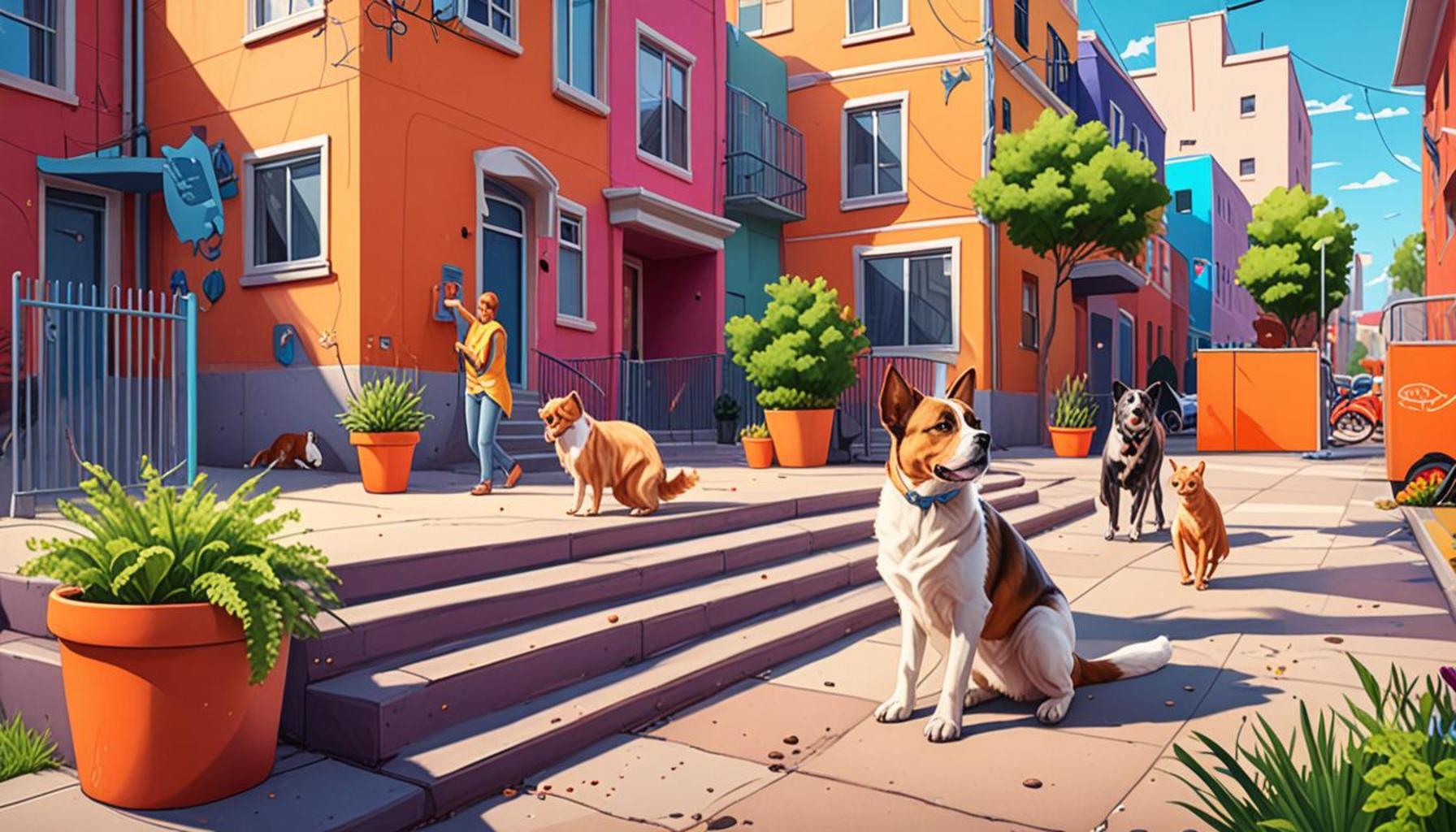
Living in an urban environment can be both exhilarating and overwhelming, especially for pet owners. In bustling cities across Nigeria, such as Lagos and Abuja, the vibrant atmosphere often comes with unique challenges that can impact our furry friends. Crowded streets filled with vehicles, the constant cacophony of honking horns, and the spirited hustle of pedestrians can create a stressful experience for pets.
To forge a peaceful coexistence in this environment, understanding your pet’s behavior becomes paramount. Urban pets face several stressors that, if left unaddressed, can lead to anxiety and behavioral issues. Here are a few critical factors to consider:
- Noise Sensitivity: Urban locations are a hive of noise which can be unsettling for pets. Dogs might bark or act anxious due to the blaring sounds of traffic, construction, and emergency sirens. Cats, on the other hand, may retreat to hiding spots when the surrounding noise becomes overwhelming.
- Socialization: Urban pets must learn to navigate various social scenarios, from meeting new people to interacting with other dogs in confined spaces. This socialization is crucial for preventing behavioral problems that stem from fear or aggression.
- Space Limitations: With most Nigerian cities grappling with overcrowding, finding ample space for pets to roam can be difficult. Exercise routines must adapt accordingly; exploring options like leash training for walks in the park or designated pet zones may become necessary.
Training is not merely about correcting bad habits; it also fosters a stronger bond between pets and their owners. Several practical techniques can enhance training efficacy in an urban setting:
- Positive Reinforcement: Dogs and cats respond wonderfully to rewards. By consistently rewarding good behavior—like sitting calmly during a walk or interacting gently with strangers—owners can encourage their pets to repeat those behaviors.
- Desensitization: Gradual exposure to the urban chaos can help pets adjust. For instance, you might slowly introduce your dog to the sounds of traffic by playing recordings at a low volume before exposing them to the street noise.
- Consistency: Keeping training methods uniform is key. Using the same commands and routines helps pets understand what is expected of them, reducing confusion and promoting security in their environment.
Embarking on the journey of training your pet in an urban setting requires dedication and patience. A well-adjusted pet not only enriches your life but also contributes to a more peaceful neighborhood. As urban living continues to evolve, recognizing and adapting to the challenges of pet ownership can transform both the lives of owners and their beloved companions.
Navigating Urban Challenges with Effective Training
For pet owners residing in the hustle and bustle of Nigerian cities, such as Lagos or Port Harcourt, it is vital to equip your pets with the tools needed to thrive in a stimulating and sometimes overwhelming environment. To accomplish this, effective behavior training techniques specifically tailored to urban spaces can make a substantial difference in ensuring your pet feels secure and well-behaved amidst the chaos.
The first step in addressing urban challenges is recognizing that pets are not only observers of their environments but also active participants. To help them adapt to their surroundings, a strategic approach to training must be implemented. Here are several training techniques that can help pets blossom in an urban setting:
- Leash Training: In crowded urban areas where open spaces are limited, leash training becomes essential. A well-trained pet on a leash not only ensures their safety but also enhances the owner’s control during walks. Owners should practice the “heel” command, allowing the dog to walk calmly beside them, rather than pulling forward and getting distracted.
- Controlled Socialization: Exposure to various stimuli is crucial for urban pets. Set up playdates with other pets or take them to local dog parks. A structured approach to socialization helps prevent negative behaviors that stem from fear or aggression towards unacquainted animals or strangers.
- Impulse Control Techniques: Teaching your pet self-control can minimize impulsive behaviors, such as barking at passersby or lunging towards other animals. Engaging in exercises like “leave it” or “wait” can establish boundaries and encourage calmness in dynamic situations.
Additionally, it is critical to consider the psychological well-being of pets in an urban scenario. Just as urbanites require mental stimulation, so do pets. Incorporating enrichment activities into training can significantly improve their adaptability to city life. For example:
- Interactive Toys: Providing toys that stimulate mental engagement can keep pets occupied, especially when they are cooped up indoors in apartments or during heavy rains. Puzzle toys can challenge them to think critically and work for rewards.
- Training Sessions in Different Locations: Occasionally changing the training environment can help your pet become accustomed to various settings, such as parks, sidewalks, or busy streets. This flexibility will enhance their comfort and adaptability.
- Short, Frequent Training Sessions: Consistency is key, but so is keeping sessions engaging. Short, frequent training intervals can capture your pet’s attention and prevent frustration, making learning a fun and rewarding experience.
By implementing these behavior training techniques, urban pet owners can ease the stress their pets experience while navigating the challenges of city life. An adaptable and trained pet not only leads to a harmonious living situation for the owner but also fosters goodwill within the neighborhood, enabling everyone to flourish in our vibrant urban landscapes.
| Advantages | Details |
|---|---|
| Socialization Opportunities | Exposing pets to different environments encourages better behavior around other animals and people. |
| Effective Communication | Training in urban areas improves your ability to communicate commands amidst distractions. |
| Improved Focus | Training in bustling environments can sharpen your pet’s focus and reduce anxiety. |
| Behavioral Adaptability | Your pet learns to adapt their behavior to varied urban stimuli, making them more resilient. |
Urban living can pose unique challenges for pet owners, especially in training their pets to behave appropriately. Implementing behavior training techniques in these settings can yield significant benefits. For instance, socialization opportunities abound in city environments, helping pets learn how to interact positively with diverse people and other pets, thus reducing fearfulness. Moreover, improving effective communication between owner and pet amid the distractions of urban life is crucial. Focused training in these bustling surroundings can significantly enhance your pet’s overall attentiveness, leading to better compliance with commands and improved behavior during outings. Adopting these techniques can authoritatively set you and your pet up for successful urban living, making the transition smoother and stress-free. Clearly, understanding and applying behavior training can positively transform your pet’s experience in urban spaces.
Creating a Positive Urban Experience for Pets
Beyond the foundational training techniques, it’s essential to foster an environment that promotes positivity for pets living in urban spaces. As urban settings can be rife with distractions and potential stressors, a creative approach to behavior training can enhance your pet’s day-to-day experiences and overall happiness.
One effective method to promote a positive atmosphere is through *desensitization* techniques. This involves gradually exposing your pet to urban stimuli, such as traffic noise, crowds, and diverse scents, in a controlled manner. For instance, play recordings of street sounds at a low volume during training sessions, rewarding your dog for showing calm behavior. Gradual exposure not only builds tolerance but also reduces anxiety during actual outings.
Another significant training aspect for urban pets is implementing a structured routine. Pets thrive in predictable environments, and routine can alleviate anxiety linked to the unpredictability of urban life. Walks should happen around the same time daily, and meals should be scheduled to give your pet a sense of stability. This not only optimizes your pet’s behavior but can significantly enhance their mental health.
- Targeted Obedience Training: Focus on commands that are especially useful in busy urban environments, such as “stay” in potentially overwhelming situations or “leave it” when they encounter discarded food or dangerous items. Practicing these commands regularly ensures that your pet knows how to navigate unexpected situations, contributing to their safety.
- Utilizing Local Spaces Wisely: Make the most of local parks or open spaces. Schedule visits during off-peak hours or engage in training sessions when the environment is less crowded. This can help your pet gradually acclimate to busier settings while reinforcing their training skills.
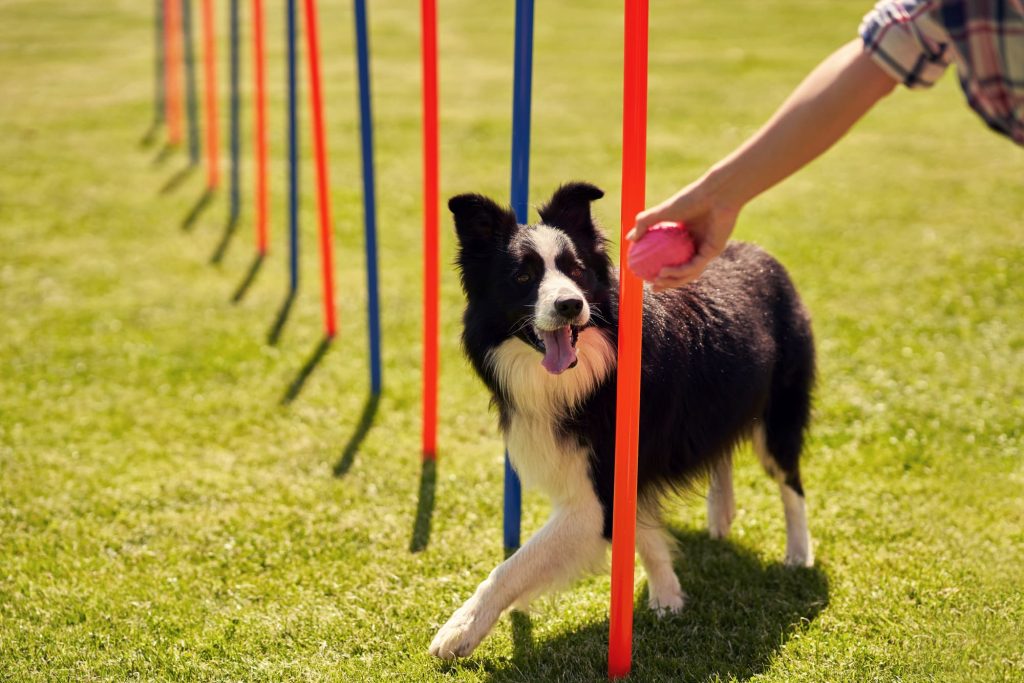
In addition to obedience training, consider *agility training* as a fun and productive way for your pet to expend energy. Creating a small agility course using everyday urban items like benches or cones can be a delightful exercise for both you and your pet. This not only physically engages them but also enhances their confidence, helping them adapt more readily to the unpredictability of their environment.
Moreover, incorporating *reward-based training* techniques can significantly enhance your pet’s enthusiasm for learning. Utilize a diverse array of treats or affectionate praises to motivate your pet. For instance, if you are training them to sit calmly while waiting at a crosswalk, reward them immediately when they comply, reinforcing the behavior you wish to see repeated. The emphasis on positive reinforcement fosters trust and strengthens the owner-pet bond.
- Engaging in Urban Activities: Introducing your pet to specific urban activities such as attending dog-friendly events or participating in group classes can also be beneficial. Integrating social interactions with other pets and owners exposes them to an array of environments and helps them adapt to public settings.
- Health and Well-Being Focus: Lastly, consider the health implications of urban living. Providing ample opportunities for physical activity, like playing fetch in parks or engaging in fun training drills, is crucial. Well-exercised pets tend to be happier and are less likely to engage in destructive behaviors.
By employing these varied techniques, urban pet owners can foster a nurturing and stimulating environment, ensuring that their pets adapt positively to city life. Maintaining a focus on their well-being not only benefits the individual pet but ultimately contributes to a harmonious community where all inhabitants can coexist peacefully. Embracing the urban lifestyle with the right training can unlock new adventures each day for both pets and their owners, bridging the city and its wildlife in meaningful ways.
Conclusion: Navigating Urban Life with Your Pets
As urban living continues to attract more pet owners, understanding and implementing effective behavior training techniques is vital for ensuring that pets thrive amidst the bustling city life. Adapting to urban environments involves not only recognizing the unique challenges posed by noise, crowds, and limited spaces but also offering tailored training approaches that prioritize your pet’s well-being.
The importance of techniques such as desensitization cannot be overstated. By introducing your pet gradually to urban stimuli, you foster adaptability and resilience, which ultimately cultivates a calm demeanor when confronting stressful situations. Additionally, a structured routine provides essential stability, helping pets feel secure even in bustling surroundings.
Engaging in targeted obedience and agility training enhances both mental and physical health, allowing pets to express their energy constructively. These training methods not only teach valuable skills for navigating the complexities of urban life but also forge a stronger bond between pet and owner, deepening trust and mutual understanding.
In a country like Nigeria, where urban spaces are rapidly developing, embracing community activities and local resources can enrich the experiences shared between pets and their owners. By prioritizing health and wellness, pet owners can ensure their furry friends enjoy a fulfilling lifestyle, characterized by adventure and exploration.
Ultimately, the journey of integrating behavior training techniques in urban settings presents a unique opportunity. It enables pet owners to cultivate enriching relationships with their pets while contributing to a safer, more harmonious urban environment for all. Through patience, consistency, and creativity, navigating urban spaces with our pets can transform into a rewarding experience, opening doors to countless new possibilities.