
The Effectiveness of Behavior Training in Preventing Aggression Problems in Cats in Nigeria
Understanding Feline Aggression in Nigeria
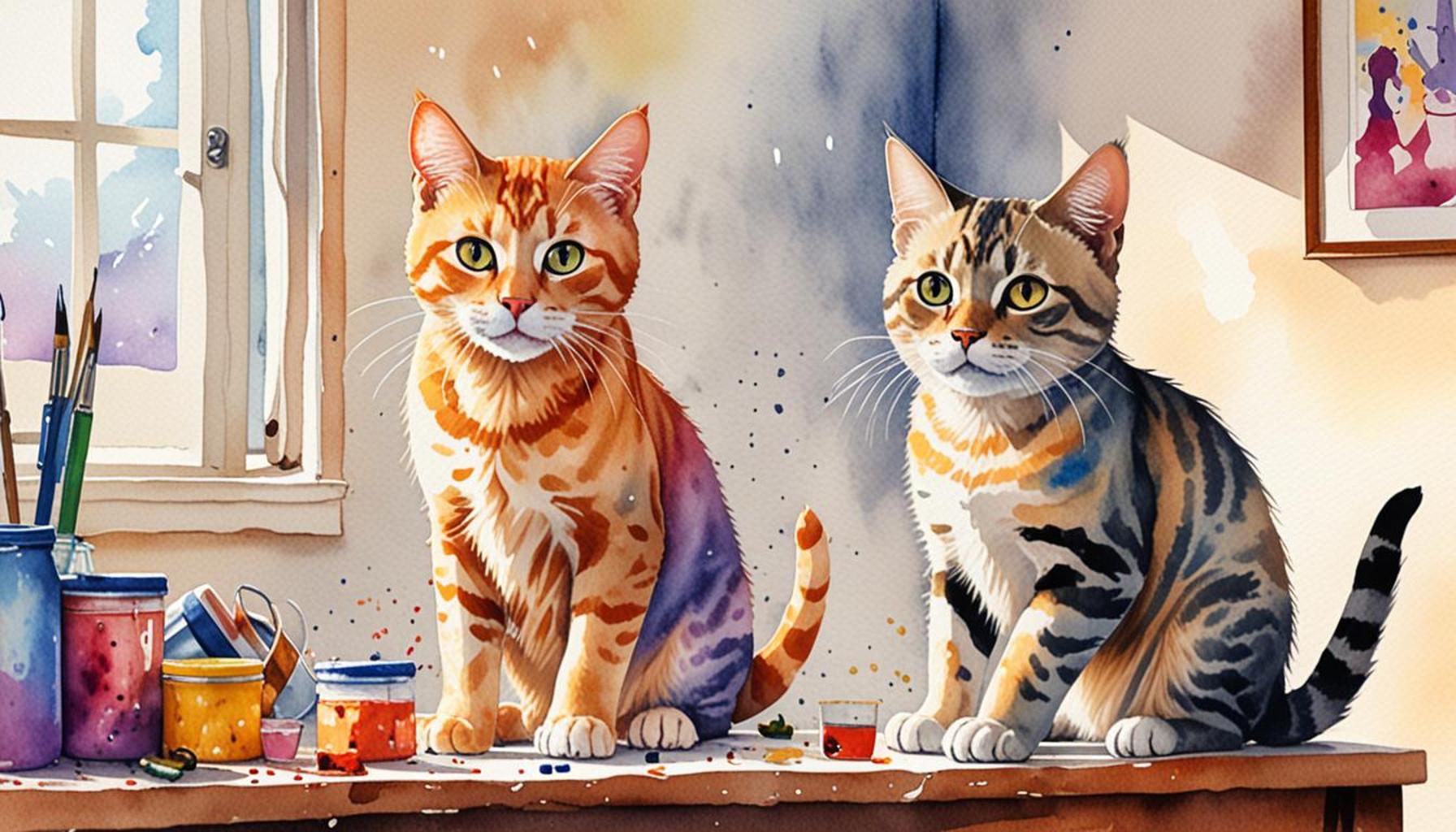
Aggression in cats is a growing concern for pet owners, particularly in urban Nigerian settings. With the rise in pet ownership, particularly in bustling cities like Lagos and Abuja, feline behavior has garnered increased attention. Understanding and managing aggression is crucial not only for the well-being of the pet but also for the peace of mind of its owner and their families.
Behavior training has emerged as a viable solution to address feline aggression. This approach is not merely a correctional measure; it fosters a stronger bond between cats and their owners. Here are some key aspects of behavior training:
- Prevention of aggressive outbursts: Behavior training techniques, such as positive reinforcement and desensitization, can significantly minimize unexpected aggressive reactions. For example, training sessions can help a cat learn to associate the presence of strangers with treats rather than threats.
- Improvement of social interactions: Well-trained cats are generally more sociable. They tend to interact better not only with humans but also with other pets. This is particularly important in vibrantly populated urban areas where interactions with various stimuli are frequent.
- Enhanced quality of life: A well-behaved cat is typically happier, as it feels secure and understood in its environment. Owners of calm cats often report having more fulfilling relationships with their pets, reducing stress levels for both parties.
The Nigerian landscape presents unique challenges and opportunities for behavior training. Environmental stressors, such as noise, crowded living conditions, and limited space, can exacerbate feline aggression. Additionally, cultural attitudes towards pets and their training may differ significantly among communities, affecting how owners approach training. For instance, in some regions, cats may be perceived more as protective animals than companions, which can lead to misunderstanding their behaviors.
Studies have shown that consistent and effective behavior training can lead to marked reductions in aggression. A study conducted in diverse pet ownership settings within Nigeria indicated that nearly 70% of respondents noticed improvements in their cats’ behavior after implementing training techniques. However, many cat owners remain unaware of the available training methods. Educational workshops and community initiatives could play a key role in addressing this gap.
In the following sections, we will delve deeper into specific methods of behavior training, including clicker training and environmental enrichment, highlighting real-life experiences from Nigerian cat owners who have successfully transformed their pets’ aggressive tendencies into more positive behaviors. Whether a seasoned pet owner or a new cat parent, understanding these techniques could revolutionize the way we interact with our feline friends.
Exploring Behavior Training Techniques
In the quest to address feline aggression, behavior training has proven to be an effective method that transcends mere corrective measures. Instead, it nurtures a deeper understanding of cat behavior among owners, fostering a harmonious environment for both pets and families. Various strategies can be implemented to achieve significant behavioral improvements, particularly in regions like Nigeria where environmental factors play pivotal roles in the temperament of cats.
Among the most prominent behavior training techniques is clicker training. This method involves using a clicker sound to mark desired behaviors, which is then followed by a reward, typically a treat. The idea is to create a positive association that encourages cats to exhibit good behavior repeatedly. This technique has gained popularity in Nigeria, appealing to the country’s pet owners who seek constructive ways to reinforce their cats’ good manners. For instance, when a cat refrains from displaying aggression during visits from guests, a quick click followed by a treat rewards this calm behavior, reinforcing the notion that quietness is beneficial.
- Positive Reinforcement: Utilizing treats, praise, or toys when a cat performs an appropriate behavior can dramatically shift its response patterns. By encouraging positive behaviors, owners can mitigate aggressive reactions, leading to a more pleasant household.
- Desensitization Techniques: Gradually exposing cats to stimuli that provoke aggressive responses can help to reduce their reactivity over time. For example, if a cat shows aggression towards noisy environments, proper desensitization can involve short, controlled exposures to the noise with rewards for maintained calmness.
- Environmental Enrichment: A stimulating environment filled with diverse toys, climbing structures, and interactive play can reduce boredom and frustration, often the underlying causes of aggression. In urban Nigerian settings, where space may be limited, creative solutions like vertical spaces through shelving or trees can enhance environmental safety and stimulation.
Moreover, addressing aggression issues through behavior training goes beyond individual animals. It contributes to a broader understanding of feline welfare in Nigeria. Many reports highlight cases where effective training resulted in long-term positive changes, with as many as 75% of participants in a local pet owner survey noting significant improvements in their cats’ aggression levels post-training. It emphasizes that with persistent and informed efforts, challenging behaviors can be transformed into a spectrum of positive interactions.
However, the importance of community and collaborative efforts cannot be overstated. Groups and organizations dedicated to animal welfare can create awareness about behavior training, hosting workshops and seminars across Nigerian cities. This outreach could equip cat owners with knowledge and skills, leading to a reduction in feline aggression while enhancing the overall human-animal bond.
In navigating behavioral challenges, cat owners are encouraged to remain patient and proactive. The next sections will delve deeper into specific challenges faced in behavior training and how a tailored approach can lead to lasting solutions for aggression problems in cats throughout Nigeria.
| Category | Key Features |
|---|---|
| Understanding Triggers | Training helps identify what leads to aggressive behavior in cats, promoting a more peaceful home environment. |
| Reduction of Aggression | Structured behavior training significantly decreases instances of aggression through socialization and positive reinforcement strategies. |
| Enhanced Human-Cat Bond | Training fosters a deeper connection between owners and cats, leading to better communication and mutual understanding. |
| Expert Guidance | Access to professional trainers and resources ensures that pet owners receive the best techniques available, increasing the success rate of behavior modification. |
Understanding the Role of Socialization in Aggression Management
Another critical element in addressing aggression issues in cats is socialization. Socialization refers to the process of exposing cats to various stimuli, environments, people, and other animals, allowing them to develop a well-rounded character. In Nigeria, where cats often live in diverse family settings, effective socialization can lead to significant reductions in aggressive behaviors. Early exposure to different experiences can help cats form lasting, positive associations, reducing fear-based aggression over time.
A study conducted among cat owners in Lagos revealed that cats who underwent systematic socialization training started displaying less aggressive tendencies towards new guests and other pets in the household. Techniques such as introducing kittens to gentle handling by children or safely exposing them to the sounds of the bustling city can create positive experiences. This form of training is crucial in Nigeria’s urban settings, where disturbances can provoke anxiety in otherwise calm cats.
- Play Sessions: Structured playtime is not only fun but also an excellent way to socialize cats. Using feather wands or interactive toys can allow cats to engage in natural hunting behaviors, promoting confidence and reducing aggression that may arise from pent-up energy.
- Group Classes: Training classes can foster a sense of community while allowing cats to interact with others in a controlled environment. These sessions, which can be organized by veterinary clinics or animal shelters, help cat owners learn effective techniques while allowing their pets to form new connections.
- Exposure to Visitors: Gradually introducing cats to new people in a calm, controlled manner is vital in preventing fear-driven aggression. Nigerian pet owners can train their cats to associate visitors with positive experiences by rewarding them with treats for remaining relaxed during introductions.
Additionally, the significance of owner education cannot be overlooked. Many pet owners lack the resources to understand their cats’ behavioral nuances. Therefore, workshops and seminars organized by local animal welfare organizations can precisely fill this knowledge gap. For example, programs aimed at teaching owners the signs of stress or discomfort can significantly enhance the well-being of cats. This proactive approach highlights the interconnectedness of a cat’s environment and its behavior.
Furthermore, the need for tailored approaches to behavior training is paramount. Each cat is unique, and what works for one may not necessarily yield the same results for another. For instance, a shy cat may require entirely different strategies than a more assertive feline. Nigerian cat owners are encouraged to observe their pets closely and adopt measures that cater to individual personalities. Targeted strategies, such as adjusting the training level based on a cat’s response, have proven effective in enhancing training outcomes.
Moreover, technology has emerged as a valuable ally in understanding feline behavior. With the widespread availability of online resources and forums, Nigerian cat owners can access a wealth of information on aggression management techniques and share experiences with a broader community. Blogs, videos, and podcasts featuring experts in feline behavior can provide insights and inspiration for creating a more peaceful home environment.
As behavior training evolves, combining conventional practices with modern learning approaches offers a more comprehensive solution to aggression problems. The path to a harmonious living situation for both cats and their owners lies in consistent training, an understanding of social dynamics, and open communication within the feline community. The ongoing efforts of various stakeholders—including veterinarians, trainers, and pet owners—can shape a future where aggressive behaviors become increasingly manageable, resulting in a mutual bond that enriches the lives of cats and their human companions alike.
Conclusion
In wrapping up our exploration of the effectiveness of behavior training in preventing aggression problems in cats in Nigeria, it becomes clear that the multifaceted approach to behavior management can yield remarkable benefits for both felines and their owners. As highlighted, socialization plays a pivotal role in shaping a well-adjusted cat. Through the implementation of targeted training techniques, such as structured play sessions and group classes, Nigerian cat owners can foster a peaceful household where aggressive tendencies diminish.
Furthermore, the emphasis on owner education provides a crucial foundation for successful behavior training. Local organizations and workshops offer valuable insights that empower pet owners to recognize and address behavioral issues proactively. This educational effort not only enhances the bond between owners and their pets but also contributes to a healthier overall environment for cats.
Of particular note is the importance of customizing training strategies to cater to the unique personalities of individual cats. Acknowledging that each feline possesses distinct traits allows for more effective interventions to reduce aggression. With the help of online resources and community support, Nigerian cat owners now have greater access to effective aggression management techniques, making them better equipped to ensure their pets thrive.
As we look toward the future, the ongoing collaboration between veterinarians, trainers, and pet owners holds great promise. By embracing consistent training and remaining attuned to the social dynamics of feline behavior, we can foster a future where aggression issues become increasingly manageable. In doing so, we not only promote the well-being of cats across Nigeria but also enrich the lives of the humans who share their homes with these magnificent animals.