Exploring the Native Dog Breeds of Nigeria and Their Cultural Significance
Unveiling Dogs as Cultural Icons in Nigeria
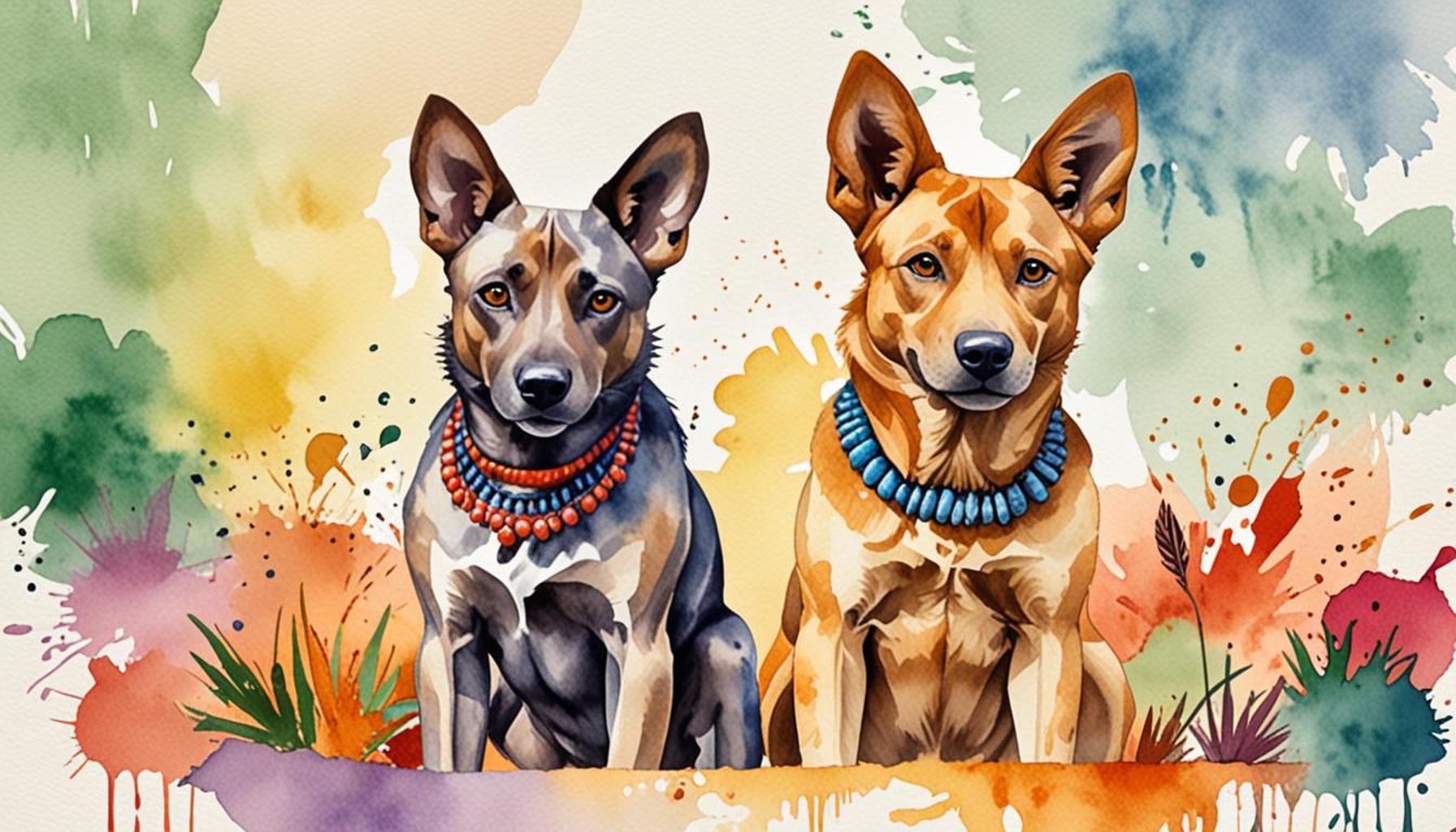
In Nigeria, dogs are much more than mere pets; they serve as vital embodiments of cultural pride and heritage. Each native dog breed carries with it a plethora of stories and traditions, intertwining with Nigeria’s diverse cultural landscape. As we explore these breeds, we unveil their unique characteristics, roles in their communities, and the historical significance they hold.
Key Native Dog Breeds of Nigeria
- Aso Hunt Dog – This breed is celebrated for its exceptional agility and remarkable hunting capabilities, making it a favored companion among hunters in various regions. Known for their endurance and keen senses, Aso Hunt Dogs are often found in the wild, showcasing their ability to track and retrieve game.
- Ekuke – Also known as the Nigerian Village Dog, the Ekuke is cherished for its loyalty and protective nature. Often found in households, this breed serves as a guardian and is loved for its playful disposition. It forms strong bonds with families, becoming an inseparable member of the household while standing guard against intruders.
- Nigerian Mastiff – Renowned for its strength and formidable presence, the Nigerian Mastiff is often employed in roles requiring protection and security. Traditionally, these dogs are valued by farmers to guard livestock against predators, showcasing their utility as protectors in rural settings.
These dog breeds not only represent Nigeria’s rich biodiversity but also reflect the cultural dynamics of various ethnic groups. Historically, dogs have played essential roles in traditional practices, from hunting ceremonies to being integral elements of community festivals. They even appear in local folklore, symbolizing loyalty and courage, and reinforcing intergenerational connections.
Why Explore These Breeds?
Understanding the native dog breeds of Nigeria offers critical insight into their cultural significance. These breeds often feature prominently in local narratives, instilling a sense of identity among communities in a rapidly evolving society. Engaging with their stories leads us to a rich tapestry of culture that is deserving of attention and preservation. For instance, local communities often hold festivals that celebrate these dog breeds, showcasing their abilities and honoring their roles. This connection to the past emphasizes the importance of dogs in social cohesion and cultural heritage.
Moreover, exploring these native breeds prompts a deeper appreciation for biodiversity and conservation. With increasing urbanization, many traditional practices are at risk, making it crucial to advocate for the recognition and preservation of these unique canine treasures. Ultimately, delving into Nigeria’s canine heritage not only honors the past but also shapes the future of cultural identity within the nation.
The Rich Heritage of Nigeria’s Native Breeds
Nigeria’s native dog breeds are not only companions but also vital carriers of history and culture. The Aso Hunt Dog, Ekuke, and Nigerian Mastiff serve as tangible links to the traditional lifestyles that have shaped the nation’s identity over centuries. Each breed showcases distinct traits that cater to the needs and values of the communities that cherish them.
Aso Hunt Dog: A Hunter’s Best Ally
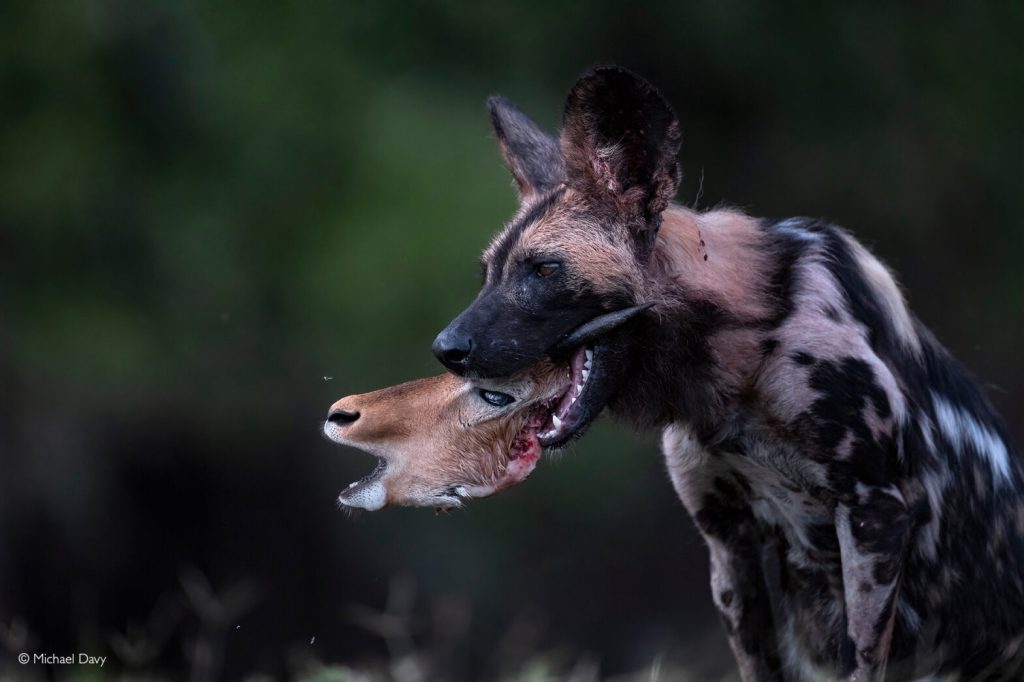
The Aso Hunt Dog stands out for its agility and tenacity, making it an indispensable partner for hunters throughout Nigeria’s vast terrains. Originating from the rich hunting traditions among various ethnic groups, these dogs are known for their speed, sharp sense of smell, and unwavering focus. Fishermen and hunters alike favor them for their ability to navigate through dense vegetation and difficult terrain, tracking prey effectively. In local folklore, the Aso Hunt Dog is often depicted as a symbol of achievement and prowess, celebrated during hunting ceremonies that cement community bonds.
Ekuke: The Discerning Guardian
Known affectionately as the Nigerian Village Dog, the Ekuke is revered in households across Nigeria for its loyalty and protective instincts. With a unique ability to adapt to various environments, the Ekuke thrives both in urban and rural settings. Unlike breeds sourced for purely aesthetic qualities, this dog is prized for its ability to standout as a guardian, ensuring the security of homes and families. Often characterized by its playful nature and strong bond with humans, the Ekuke plays a crucial role in maintaining social cohesion. Furthermore, its presence is a reminder of the traditional values of loyalty and community, making it a beloved part of family life.
Nigerian Mastiff: The Protector of Livestock
The formidable Nigerian Mastiff, a breed known for its strength and regal stature, has long been a trusted protector of livestock. Farmers across the northern regions of Nigeria often employ these powerful dogs to defend against threats such as wild predators. Their ability to deter attacks has led to a profound respect and admiration among local communities. Additionally, their loyalty makes them indispensable companions on rural homesteads, earning them a prominent place in the lives of those who rely on them. Legends passed down through generations illustrate stories of bravery and vigilance that highlight their significant role in safeguarding livelihoods.
- Adaptability: Many native breeds can thrive in diverse environments, showcasing their resilience.
- Family Bonds: Dogs like the Ekuke create strong attachments that intertwine with family life, enhancing social dynamics.
- Symbol of Heritage: These breeds embody the values of courage, loyalty, and community, enriching Nigeria’s cultural fabric.
As we continue to delve into these native breeds, we uncover not only their practical roles in daily life but also their symbolic significance rooted deeply in Nigeria’s cultural narratives. Exploring these dogs leads us to a broader understanding of how animals contribute to our perceptions of identity, tradition, and community continuity.
Understanding the Unique Traits of Nigerian Dog Breeds
Nigeria is home to a variety of unique dog breeds, each with distinct characteristics and roles in the society. Among them, the Afghan Hound stands out, known for its striking appearance and incredible agility. These dogs have been part of local culture for generations, serving as loyal companions and efficient hunters. Their elegant stature and flowing coat reflect the rich heritage of Nigeria’s canine companions.Another notable breed is the Basenji, renowned as the “barkless dog.” This breed has a fascinating history linked to the Congo, yet it thrives within Nigerian communities as a symbol of resilience and adaptability. Basenjis are known for their intelligence and independence, making them an intriguing study of how dogs have adapted to their environment while maintaining their unique traits.
Cultural Significance and Functions
The cultural significance of these breeds extends beyond companionship. In many Nigerian tribes, dogs are revered for their protective qualities. For instance, the Native Nigerian Dog acts as both guardian and socializer, forming bonds with the tribe and offering security. Many communities attribute spiritual meanings to these dogs, believing they convey messages from ancestors or serve as protectors against malevolent forces.These breeds also play crucial roles in local folklore and ceremonies, with stories passed down through generations that highlight their importance in everyday life. Furthermore, many Nigerian dog breeds contribute to livelihoods through hunting and herding activities, showcasing the intrinsic bond between humans and dogs in these cultural contexts.Immerse yourself in the fascinating world of Nigerian dog breeds, where every bark tells a story and every trait is steeped in cultural significance. As we delve deeper, one might explore how the preservation and appreciation of these breeds can foster a greater understanding of Nigeria’s rich cultural tapestry, promoting heritage and sustainability within contemporary society.
| Category | Advantages |
|---|---|
| Cultural Role | These breeds embody local traditions and strengthen cultural identities. |
| Utility | They assist in hunting and herding, vital for sustenance and livelihood. |
These insights into the native dog breeds of Nigeria reveal a complex relationship intertwined with the cultural fabric of society. By understanding these breeds better, one can appreciate not just their characteristics but the stories they hold within Nigeria’s diverse culture.
Cultural Roles of Native Dog Breeds in Nigeria
Diving deeper into the cultural significance of Nigeria’s native dog breeds reveals their multifaceted roles beyond mere companionship or utility. These dogs are woven into the social and spiritual fabric of many Nigerian communities, reflecting traditions that span generations.
Narratives of Folklore and Tradition
The significance of dog breeds like the Aso Hunt Dog and the Nigerian Mastiff is often highlighted through folklore and oral traditions. In many ethnic narratives, dogs serve as symbols of loyalty and guidance, acting as protectors not just of their human companions but also of moral values within cultures. For instance, tales frequently portray the Aso Hunt Dog as a figure that assists the hero in their quests, emphasizing the bond between human and canine. These stories serve not only as entertainment but also as cultural teaching tools that instill respect and admiration for both the animal and nature itself.
Ritual and Tribute
In certain communities, native dog breeds are also integrated into religious and celebratory contexts. The Ekuke, for instance, is often honored during traditional ceremonies as a guardian spirit. Families may celebrate the strength and loyalty of their Ekuke dogs during festivals, showcasing them in parades, thus reaffirming the vital role they play in the community’s life. This celebration creates an atmosphere where the community can appreciate the spiritual ties they share with their dogs and the protection and companionship they offer.
Economic Impact of Native Breeds
Moreover, the economic impact of these breeds cannot be overlooked. Farmers who utilize the Nigerian Mastiff for guarding livestock not only safeguard their animals but also ensure the stability of their livelihoods. The presence of such a strong protector can significantly reduce losses from wildlife threats, which is crucial in regions where agriculture forms the bedrock of the economy. Consequently, the economic benefits contribute to community-wide support, as families sell livestock and products, enhancing trade and local markets.
Preservation Efforts and Challenges
Despite their cultural significance and practical benefits, many native dog breeds in Nigeria face challenges due to urbanization, crossbreeding, and a rising preference for foreign breeds. Initiatives aimed at preserving these breeds have emerged, driven by a growing awareness of their importance in Nigeria’s cultural legacy. Organizations and breed enthusiasts are advocating for education on the ethical breeding and responsible ownership of these dogs, emphasizing their unique traits and their role in cultural preservation. Social media platforms have become instrumental in these efforts, as they help raise awareness, share stories, and connect potential owners with reputable breeders.
- Folklore Significance: Native breeds feature prominently in local legends that emphasize companionship and loyalty.
- Cultural Celebrations: Dogs are celebrated in traditional ceremonies, highlighting their role as protectors and companions.
- Economic Value: The working roles of these dogs enhance local economies, especially in agricultural communities where livestock protection is essential.
- Conservation Efforts: There’s a growing movement advocating for the preservation of Nigeria’s native breeds amidst modern challenges.
The exploration of Nigeria’s native dog breeds further illuminates their profound cultural connections, demonstrating how these animals resonate within the lives, livelihoods, and legends of their communities. Their stories reveal deeper narratives that shape identities while providing key insights into the intertwining of culture and nature. This interdependence emphasizes the need to appreciate and preserve these unique breeds that are so much more than just pets; they are vital cultural ambassadors in their own right.
CHECK OUT: Click here to explore more
Conclusion: Embracing the Legacy of Nigeria’s Native Dog Breeds
The journey through the native dog breeds of Nigeria unveils a rich tapestry of cultural significance, practical utility, and deep-rooted traditions. From the heroic tales spun around the Aso Hunt Dog to the cherished bonds with the Ekuke, these breeds symbolize more than companionship; they embody the essence of Nigerian identity and shared heritage. Their roles within folklore and cultural celebrations showcase the profound respect and reverence that communities hold for these loyal companions.
Furthermore, the economic advantages offered by these native breeds highlight their importance in sustaining agricultural practices and safeguarding livelihoods, thus reinforcing their status as pivotal members of the community. However, as we embrace the charm of foreign breeds, it is imperative to recognize and address the challenges facing Nigeria’s indigenous dogs, including threats from urbanization and crossbreeding.
Preservation initiatives are crucial in ensuring that these breeds continue to thrive, safeguarding not only the animals themselves but also the cultural narratives and traditions intertwined with their existence. By advocating for responsible ownership and ethical breeding practices, we can forge a future where these dogs remain integral to both rural and urban settings.
In summary, Nigeria’s native dog breeds invite us to explore beyond their physical presence, urging us to delve into the stories and values they carry. These canine companions represent a vibrant legacy waiting to be cherished and preserved, making them essential not just in the daily lives of Nigerians but as cultural ambassadors reflecting the spirit and resilience of the nation.