
Effective Strategies for Correcting Unwanted Behaviors in Dogs

The Role of Behavior Correction in Enhancing Dog Ownership Experience
Dogs are often considered man’s best friend, but even the most loyal companions can develop unwanted behaviors. These issues can vary in intensity, presenting challenges to the bond between a pet and its owner. Common problems may include excessive barking, destructive chewing, and even displays of aggression. Understanding effective strategies for correcting these behaviors is crucial for fostering a harmonious relationship between dogs and their owners.
In Nigeria, the surge in dog ownership reflects a growing appreciation for these companions. However, many pet parents face challenges in training their furry friends, which can lead to frustration and misunderstandings. For instance, a dog that barks excessively at strangers might create an uncomfortable atmosphere for guests, while chewing on furniture can result in costly damage. Addressing unwanted behaviors benefits not only the dog but enhances the overall experience of dog ownership, making it more enjoyable for all involved. Here are some common unwanted behaviors:
- Barking excessively at strangers
- Chewing on furniture or shoes
- Jumping on guests
- Ignoring commands during walks
To effectively tackle these behavioral issues, a variety of techniques exist that can be tailored to your dog’s specific needs. Utilizing positive reinforcement, such as rewarding good behavior with treats or praise, helps create a motivating environment for your dog. For example, you might teach your dog to sit politely rather than jump on guests by offering a treat when they remain calm. Additionally, establishing a consistent routine plays a vital role in helping dogs understand expectations, reducing anxiety stemming from unpredictability.
Moreover, understanding canine body language is equally significant in addressing unwanted behaviors. A raised hackle or a tucked tail can indicate a dog’s discomfort or anxiety, leading to behaviors that may seem aggressive or unruly. By learning to read these signals, pet owners can intervene early and adjust their training approach. Let’s explore these methods further to transform your dog into the well-mannered companion you desire.
Dedication to Training
Training requires patience and consistency. Most importantly, it is about building trust and encouraging your dog to communicate positively with their environment. In Nigeria, as in many other regions, dedicating time to regular training sessions can significantly improve your dog’s behavior and deepen the bond you share. For instance, participating in group obedience classes can introduce essential socialization skills and provide a supportive environment for both pet and owner.
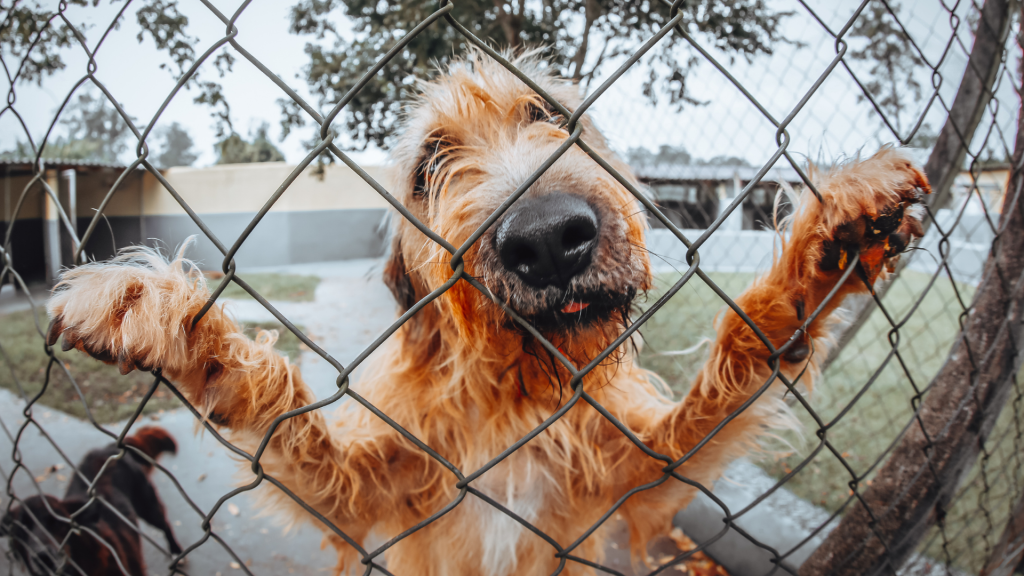
By employing the right strategies and remaining committed to the training process, correcting unwanted behaviors can transform dog ownership into a fulfilling and rewarding experience. Whether addressing barking or destructive chewing, understanding and patience remain key. This journey not only enhances your dog’s well-being but fosters an enriching companionship that improves life for both you and your furry friend.
Understanding the Importance of Positive Reinforcement
One of the most effective strategies for correcting unwanted behaviors in dogs is the practice of positive reinforcement. This method involves rewarding desirable actions to encourage their recurrence. In Nigeria, where dog ownership is on the rise, teaching your dog with positive reinforcement can transform behaviors such as excessive barking or destructive chewing into more appropriate actions. For example, when your dog remains calm upon the arrival of guests instead of jumping up, rewarding them with a treat or verbal praise can reinforce this good behavior, making it more likely they’ll repeat it in the future.
Positive reinforcement operates on the principle of association; the more pleasant experiences a dog has connected to specific behaviors, the more likely they are to continue those actions. Pet owners in Nigeria have reported significant improvements by incorporating treats, playtime, or even verbal praise when their dogs follow commands. By celebrating small victories, the bond between a pet and their owner strengthens, setting a foundation for effective training and communication.
Creating Consistency in Training Sessions
Another crucial aspect of correcting unwanted behaviors is establishing a consistent routine. Dogs thrive in environments where they clearly understand expectations. Scheduling daily training sessions helps your dog anticipate when they can learn and practice new commands. For instance, dedicating fifteen minutes each evening to training can create a habit for both the owner and the dog, helping to improve focus and engagement.
Consistency extends beyond just training times; it also incorporates the rules of the house. If you want your dog to stop jumping on guests, all family members must enforce this rule consistently. Mixed signals can confuse your dog and slow the training process. In Nigeria, where many households might have multiple family members interacting with pets, presenting a united front on behavioral expectations can significantly enhance the effectiveness of training sessions.
Recognizing Canine Anxiety and Stress Signals
Understanding a dog’s body language is another critical tool in correcting unwanted behaviors. Dogs communicate their feelings through various body signals, and recognizing when they are anxious or stressed can help dog owners intervene before these emotions manifest as behavioral problems. For instance, a dog may bark excessively or show aggression when they feel threatened or scared. By learning to identify signs such as a tucked tail, lowered ears, or avoidance behavior, owners can take proactive steps to mitigate these feelings.
In Nigerian households where various stimuli can lead to stress—such as loud noises from traffic or unfamiliar visitors—being attentive to your dog’s emotions is vital. Early intervention may involve creating a safe space for your dog to retreat to when feeling overwhelmed or exposing them gradually to triggering stimuli in a controlled manner. By improving both your dog’s emotional well-being and implementing effective training techniques, unwanted behaviors can be redirected towards more desirable actions.
These fundamental strategies set the groundwork for a well-behaved dog while enhancing the connection you share. A commitment to maintaining positive reinforcement and consistency, combined with an understanding of canine communication, can lead to rewarding results in your dog’s behavior modification journey.
| Category | Details |
|---|---|
| Positive Reinforcement | Encourages desired behaviors through rewards, such as treats or praises, rather than punishment. |
| Consistency | Sticking to a routine helps dogs understand expectations, which enhances their learning process and reduces confusion. |
| Redirecting Attention | Shifting focus from unwanted behaviors to appropriate ones can effectively manage issues like barking or chewing. |
| Socialization | Exposing dogs to various environments and situations ensures they develop confidence and reduces fear-based unwanted behaviors. |
| Professional Training | Engaging with professional dog trainers can provide tailored strategies for your dog’s specific behaviors and needs. |
Incorporating these effective strategies can significantly enhance your dog’s behavior and strengthen your bond. By applying techniques such as positive reinforcement, you not only correct unwanted behavior but also teach your dog what is expected of them, making training a delightful experience for both parties. Each method mentioned here serves as a stepping stone towards a harmonious relationship with your furry friend. Understanding the fundamental principles of dog behavior will empower you to effectively address any issue that arises, leading to a well-adjusted pet that enhances your home environment. Dive deeper into these strategies for a better understanding of their implications and benefits.
RECOMMENDED: Check out this similar article
Implementing Redirective Techniques for Positive Change
A significant strategy in addressing unwanted behaviors in dogs is the use of redirective techniques. This approach encourages pet owners to redirect their dog’s focus from an undesirable behavior to a more acceptable one. For example, if your dog is prone to chewing on furniture, offering them a designated chew toy or engaging them in a game can effectively shift their attention. Redirective techniques not only help correct behavior but also stimulate your dog mentally, further promoting a calm and obedient demeanor.
In Nigeria, where dog breeds vary widely, owners should tailor their redirective techniques to fit the specific energy levels and preferences of their pets. For instance, an energetic breed like a Belgian Malinois may require more rigorous distraction methods involving agility games or fetch, while a more subdued breed might benefit from quieter engagement. Recognizing your dog’s unique traits can assist in implementing focused redirective strategies that will yield the best results.
Leveraging Health and Physical Activity
Ensuring that your dog receives adequate exercise is essential in managing and correcting unwanted behaviors. Many behavioral issues stem from pent-up energy and lack of physical activity, leading to boredom and, consequently, destructive behavior. Regular walking, running, or engaging in canine sports can help expel excess energy and improve overall mood.
Statistics indicate that well-exercised dogs are less likely to exhibit problematic behaviors such as barking, digging, or hyperactivity. In Nigerian cities, where limited space may deter outdoor activity, pet owners can explore interactive indoor games or consider doggy daycare facilities that provide structured playtime. Increasing their physical and mental stimulation can markedly diminish behavioral problems, creating a healthier and more content dog.
Using Effective Communication Techniques
Another pillar of correcting unwanted behaviors is establishing effective communication between the owner and their dog. It is essential to teach clear commands and maintain consistency in their usage. Using simple words and phrases as commands, like “sit,” “stay,” or “leave it,” allows the dog to understand what is expected of them more easily. Consistent use of the same commands aids in reinforcing their learning.
Moreover, many trainers in Nigeria advocate for incorporating hand signals in combination with verbal commands. By doing so, dogs learn to associate visual cues with specific instructions, enhancing their comprehension. This method is particularly beneficial for dogs that may have difficulty with auditory commands due to distractions. As communication strengthens, so does trust and respect between pet and owner, leading to lasting behavior modifications.
Seeking Professional Guidance When Needed
Sometimes, despite all efforts, dog owners may find themselves struggling to correct specific problematic behaviors. In such instances, seeking the help of a professional dog trainer or behaviorist can be a beneficial route. These experts can provide tailored guidance, strategies, and insights to address unique challenges. In Nigeria, several reputable dog trainers offer hands-on sessions, giving owners the chance to learn effective techniques for their specific situations.
Additionally, group training classes not only provide professional oversight but also create an opportunity for socialization for dogs, which can counteract issues related to anxiety, fear, or aggression. By engaging in targeted learning environments, both the owner and dog reap rewards that contribute to improved behavior and a harmonious relationship.
Employing these strategies, including redirective techniques, ensuring proper exercise, effective communication, and professional input, can furnish dog owners in Nigeria with a toolkit to successfully address and correct unwanted behaviors. Implementing a blended approach allows for a comprehensive understanding of each dog’s needs, ultimately leading to a more facilitated training experience.
ADDITIONAL INSIGHTS: Expand your understanding here
Conclusion: Cultivating Harmony Through Understanding and Action
In conclusion, effectively addressing unwanted behaviors in dogs requires a multifaceted approach that extends beyond mere discipline. By integrating redirective techniques, adequate exercise, effective communication, and professional guidance, dog owners in Nigeria can foster a nurturing environment that promotes positive behavior change. Recognizing and adapting strategies to accommodate the unique traits and energy levels of various dog breeds is crucial. This tailored approach enhances not only compliance but also strengthens the bond between pet and owner.
The impact of proper exercise cannot be overstated; an active dog is generally a well-behaved dog. Additionally, fostering clear communication through consistent commands and visual cues empowers dogs to better understand their owners’ expectations. For those grappling with persistent challenges, consulting a professional trainer or behaviorist can provide valuable insights and personalized support, ultimately facilitating a more harmonious relationship.
As more Nigerian pet owners embrace these strategies, a cultural shift towards compassion and understanding in dog training emerges. With patience and perseverance, the journey to correcting unwanted behaviors transforms into an enriching experience for both the dog and its owner. Therefore, investing time in learning effective strategies not only benefits the pet but also enhances the joy of companionship, leading to a fulfilling coexistence.