Cats and Their Behaviors: Understanding the Most Popular Breeds
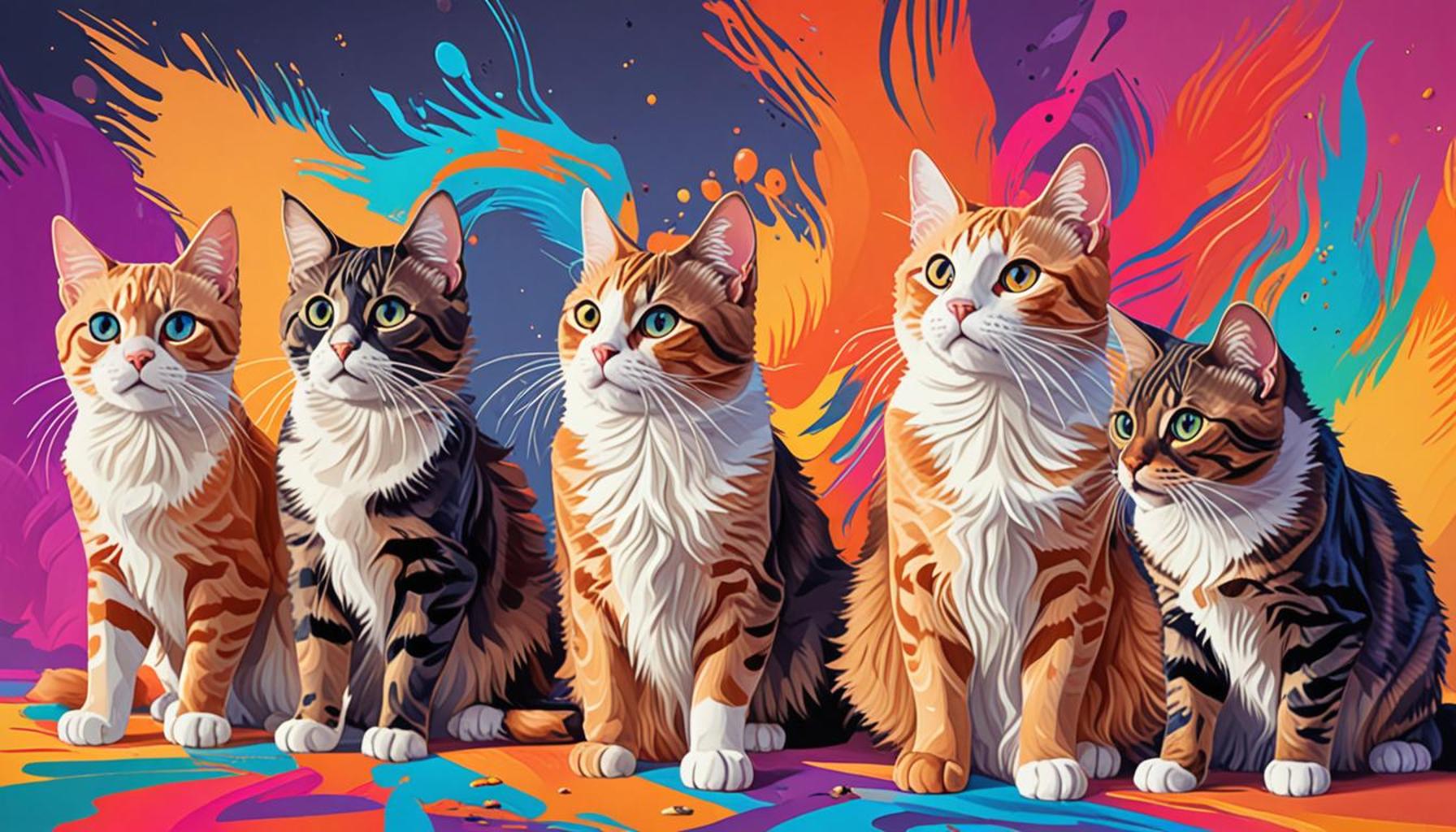
The Allure of Cats and Their Unique Personalities
Cats are complex creatures that bring joy and comfort to millions of homes worldwide. Beyond their charming appearances and soft purrs, cats display a rich tapestry of behaviors influenced by their breed, environment, and social interactions. Each breed offers a diverse array of characteristics that can endear them to their owners while showcasing their individuality.
One of the most striking aspects of feline behavior is social interaction. While some breeds, such as the Ragdoll or Siamese, crave attention and affection, others, like the British Shorthair or Burmese, may enjoy their solitude. For example, a Siamese cat is known for its outgoing nature, often following its owner around the house while engaging in playful conversations. On the other hand, a Persian cat might prefer lounging in a sunny spot, relishing time alone with only a gentle stroke from its owner.
Playfulness is another captivating trait in cats, particularly among younger felines. Breeds like the Abyssinian or Bengal are notorious for their high energy levels and inquisitive dispositions. They thrive on interactive playtime, often engaging in games that mimic hunting behaviors. For instance, a Bengal cat might chase a feather duster through the house, while an Abyssinian may leap onto shelves with astounding agility. Observing these antics not only brings joy to owners but also helps in keeping the cats physically fit and mentally stimulated.
Vocalizations can vary dramatically between breeds. Some cats are naturally more talkative, like the Siamese, which is renowned for its wide range of meows and trills, often using vocalization to express needs or desires. In contrast, a quiet cat, such as a Russian Blue, might communicate with soft purrs or quiet meows, creating a more subdued atmosphere in the home. This intricate form of communication invites owners to learn their cats’ distinct sounds, enhancing the bond between pet and human.
In Nigeria, cats are cherished members of many households, from the agile alley cats that roam freely in urban areas to the well-groomed breeds popular among pet enthusiasts. Understanding these behaviors is essential for enhancing your relationship with your feline companion. By recognizing their social needs, play styles, and communication methods, you can provide an enriching environment that caters to their instincts.
The diverse cat breeds available today reveal fascinating insights into feline behavior. Some of the most affectionate breeds include the Maine Coon and the Scottish Fold, known for their loving temperaments. In contrast, independent types like the Norwegian Forest cat often exhibit a more aloof attitude and prefer to assert their independence. Additionally, playful personalities can be found in breeds like the American Shorthair, renowned for their friendly and energetic nature.
Join us as we delve deeper into the world of cats, exploring their behaviors and traits further. This journey not only enriches our understanding of these captivating creatures but also enhances our connection with them, leading to a more fulfilling companionship.
Feline Communication: The Language of Cats
Cats possess a unique array of vocalizations that serve as their primary means of communication. These sounds can vary widely between breeds and even individual cats, offering fascinating insights into their moods and desires. Understanding this feline language can help owners connect more deeply with their pets and anticipate their needs.
Vocalizations can range from a gentle purr to an urgent yowl, and different breeds exhibit distinct tendencies in their vocal patterns. For instance, the Siamese is well-known for its extroverted nature, often engaging in lengthy conversations characterized by assertive meows and trills. If you find a Siamese cat in your home, prepare for a vocal companion who may express everything from excitement to annoyance through their expressive sounds.
In contrast, the British Shorthair is often more reserved, opting for softer murmurs rather than loud cries. This breed is celebrated for its calm temperament and affectionate gestures, preferring to communicate its feelings through gentle purring and head nudges rather than an extensive vocal repertoire. This inclination makes the British Shorthair a popular choice for individuals seeking a more serene companion.
Common Vocalizations and Their Meanings
To enhance your interaction with your feline friend, understanding these common vocalizations can make a significant difference:
- Meowing: Typically a form of communication with humans, cats may meow for food, attention, or to express discomfort.
- Purring: Often signifies contentment, though sometimes, a cat may purr when in pain as a self-soothing behavior.
- Hissing: A clear sign of distress, discomfort, or aggression. It serves as a warning to potential threats.
- Chirping: Often observed when a cat spots birds or small animals, it reflects excitement or frustration in their hunting instincts.
This repertoire of sounds highlights how attentive owners must be to the subtle cues that their cats provide. Observing your cat’s body language alongside their vocalizations can lead to a better understanding of both immediate needs and long-term emotional well-being.
Body Language: The Silent Communication
In addition to vocalizations, body language plays a crucial role in feline communication. A cat’s posture, tail position, and ear orientation can provide insight into its emotional state. For example, an arched back and puffed-up tail signifies a cat that feels threatened or defensive, whereas a relaxed body and a held-high tail typically indicate a happy and confident cat. Awareness of these non-verbal cues is essential for nurturing a comfortable and trusting environment for your feline companion.
In Nigeria, cats are often seen lounging on porches or darting through neighborhoods, engaging in daily routines rich in social dynamics. Whether a purebred beauty or a beloved alley cat, understanding these communication techniques enriches the bond between humans and their furry companions. By learning to interpret both vocalizations and body language, owners can provide the support and affection that align with their cat’s unique personality.
As we continue to explore the behavior of various cat breeds, recognizing the significance of vocalizations and body language will enhance your ability to nurture a fulfilling relationship with your feline friend.
| Cat Behaviors | Understanding the Breeds |
|---|---|
| Playfulness | Certain breeds, like the Maine Coon, are known for their playful nature, which keeps both them and their owners engaged. |
| Affection | Breeds such as the Ragdoll are characterized by their need for companionship, often following their owners around. |
| Vocalization | The Siamese is popular for its chatty demeanor; understanding this can enhance communication with your furry friend. |
| Territorial Behavior | Certain breeds may exhibit strong territorial instincts, making it vital to learn about their socialization needs, such as the Bengal. |
| Hunting Instincts | Understanding the hunting instincts of breeds like the British Shorthair helps in providing adequate stimulation. |
Understanding the behaviors of your feline companion can bridge the gap between you and your pet. Each breed has its unique traits and quirks, which can influence how they respond to various situations. Playfulness, for example, can lead to joyful interactive sessions, while affection may bring a deeper bond between cats and their owners. Cats like the Ragdoll thrive in a loving environment; hence knowing this breed’s needs can lead to a healthier, happier pet. Recognizing the vocalization patterns in breeds such as the Siamese can also make communication smoother. Moreover, understanding territorial behaviors and the hunting instincts of breeds like the Bengal or British Shorthair can greatly enhance the owner-pet relationship and ensure the overall well-being of your furry friend. As you explore these fascinating dynamics, you may just discover a whole new level of connection with your beloved cat.
The Playful Nature of Cats: Understanding Their Hunting Instincts
Cats are celebrated for their playful demeanor—a trait that is not just endearing but rooted deeply in their evolutionary history. Whether you’re watching a Persian cat tussle with a ball of yarn or a lively Oriental Shorthair chase after a feather toy, this playful behavior is a manifestation of their natural hunting instincts and social interactions. Engaging in play is vital for a cat’s mental and physical well-being, especially for indoor cats that may not have ample opportunities to hunt and explore.
The Importance of Play in Cat Behavior
Play serves multiple purposes in a cat’s life. It helps develop essential skills such as agility and coordination, which are crucial for their survival in the wild. In a nurturing home environment, cats utilize play to express their predatory nature, allowing them to satisfy their instinctual urges without harming wildlife or becoming bored. This is especially important for breeds like the Abyssinian, known for their high energy and curiosity.
Additionally, playtime fosters bonding between cats and their owners. Engaging with your cat through interactive toys can enhance your relationship, as it shows that you’re attuned to their needs. Therefore, understanding the significance of play can transform your interactions with your feline friend.
Types of Playful Behaviors
Common playful behaviors can vary across breeds. However, some overarching themes emerge:
- Pouncing and stalking: These actions mimic hunting techniques. You might notice your Savannah cat stalking the corners of your room before launching into pounces on unsuspecting toys.
- Chasing: Many cats adore the thrill of the chase, whether it’s a laser pointer or a rolling ball. The Bengal particularly excels in this type of play due to its high energy levels and playful disposition.
- Wrestling and fighting: Cats often engage in mock battles with each other or with toys. This is a natural behavior that helps develop their social skills and physical fitness.
In Nigeria, it is common to observe neighborhood cats engaging in playful antics with each other, which fosters community bonding among the local feline population. This engaging behavior might inspire you to introduce various toys that stimulate your cat’s hunting instincts, thus enriching their environment.
Understanding Playful Preferences by Breed
Different breeds exhibit distinct preferences when it comes to play. The Ragdoll, for instance, is known to enjoy a more laid-back approach to play, often preferring gentle interaction over hyperactive antics. Conversely, the Norwegian Forest Cat thrives on vigorous play, requiring ample stimulation to keep them fit and happy. Paying attention to your cat’s specific breed traits can assist in tailoring an engaging playtime routine that aligns with their needs.
Ultimately, recognizing these playful behaviors not only enables owners to cater to their cats more effectively but also strengthens the bond shared between pet and owner. By understanding the playful nature of your feline friend and tailoring interactions to suit their preferences, you can create an enriching environment that promotes both happiness and health in your cherished pet.
Conclusion: Embracing the Feline Experience
In exploring the intricate behaviors of cats, particularly the most popular breeds, we uncover a fascinating tapestry woven from both instinct and companionship. Understanding these playful behaviors, whether exhibited by the cozy Ragdoll or the agile Bengal, allows cat owners to create an enriched environment that nurtures their feline friends while elevating the human-animal bond.
Recognizing your cat’s unique personality traits, from their hunting instincts to their preferred play styles, empowers you to cater to their needs more effectively. For instance, energetic breeds like the Abyssinian thrive on interactive play, while more laid-back types, such as the Persian, may prefer gentle, soothing activities. By tailoring your interactions to meet these preferences, you not only enhance their mental and physical well-being but also foster a deeper connection.
Moreover, as you observe playful antics within the local feline community in Nigeria or elsewhere, consider incorporating such engaging dynamics into your home. Cats are not just pets; they are companions that bring joy, laughter, and constant curiosity into our lives. Ultimately, understanding the behaviors of cats and the rich diversity among breeds enhances our appreciation for these wonderful creatures and underscores our role in providing them with a fulfilling life.
As you continue your journey with your feline friend, remember that education and empathy are key. The more we understand our beloved cats, the better equipped we become to ensure their happiness and well-being in an ever-evolving world.