Common Toxic Foods for Pets What to Avoid in Animal Nutrition
Introduction
When it comes to pet care, nutrition plays a critical role in ensuring the well-being of our furry companions. However, many pet owners are unaware that some common foods can be toxic to animals, leading to serious health risks. Understanding what to avoid in your pet’s diet is essential for maintaining their health and happiness.
Pet poisoning incidents related to food can occur more often than one might think. According to the ASPCA, thousands of cases of food toxicity are reported annually, with varying degrees of severity affecting the lives of beloved pets. Familiarizing yourself with these hazardous foods can prevent emergency vet visits and keep your pets safe.
In this article, we will delve into the Top 5 common toxic foods that are often mistaken as safe for pets. By educating yourself on these dangers, you empower yourself to make informed dietary choices for your pets, ensuring they lead longer, healthier lives.
Top 5 Common and Toxic Foods for Pets: What to Avoid in Your Pets’ Nutrition
As pet owners, ensuring the health and safety of our furry companions is a top priority. We often express our affection by sharing what we eat, but not all human foods are safe for pets. Many common foods can pose significant health risks to pets, leading to severe conditions or even fatality. Recognizing these foods and understanding their effects is vital in safeguarding our pets’ well-being. In this article, we delve into the top five toxic foods that should be kept far away from your pets, helping ensure they live long and healthy lives.
5. Onions and Garlic
Onions and garlic are beloved flavor enhancers in human cuisine. However, they harbor harmful effects for pets, particularly dogs and cats. Both belong to the Allium family, which contains compounds that can trigger oxidative damage to red blood cells. This damage can result in hemolytic anemia, a condition where red blood cells are destroyed faster than the body can replace them.
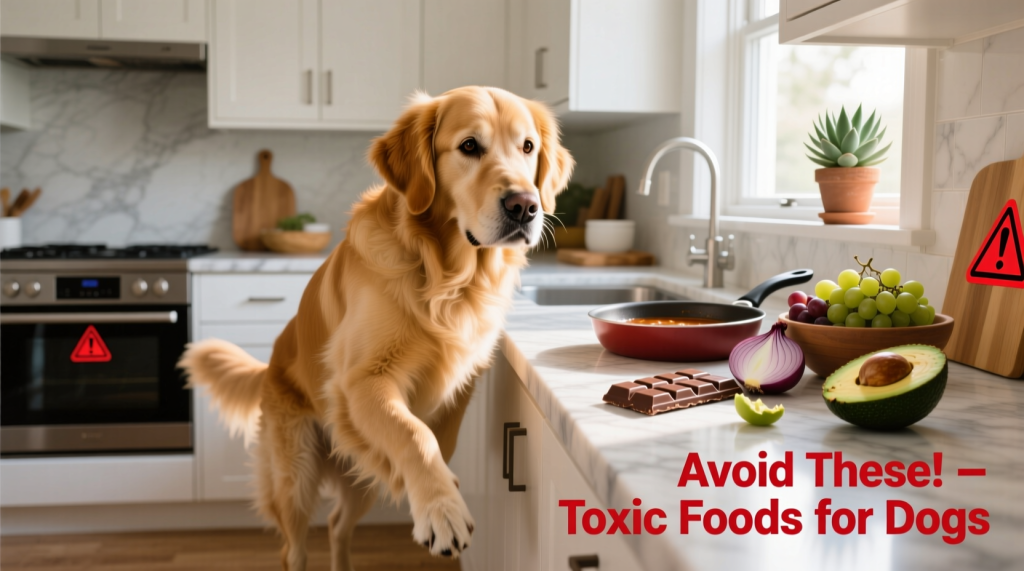
Symptoms to watch for include:
- Vomiting
- Diarrhea
- Abdominal pain
- Pale gums, indicating anemia
- Rapid heart rate, as the body attempts to circulate enough oxygen
The accumulative effect of small quantities over time can be just as dangerous as a large, singular ingestion. It’s crucial to prevent access to any meals containing onions or garlic and educate your family members and visitors about their toxic potential to pets.
4. Chocolate
Chocolate is an irresistible treat for many humans, but it’s perilous for pets, especially dogs. The delightful confection is loaded with theobromine and caffeine, substances that our pets struggle to metabolize. The levels of these toxic compounds vary, with dark chocolate, baking chocolate, and cocoa powder being more harmful than milk chocolate.
Potential symptoms of chocolate poisoning include:
- Vomiting and diarrhea, within hours of consumption
- Increased heart rate and hyperactivity, akin to caffeine overdose in humans
- Tremors or seizures, indicating severe poisoning
- Potentially, death in severe cases if untreated
As companion animals vary greatly in size, even a small amount of chocolate can be dangerous for those with a lower body weight. Pet owners must be vigilant during festive seasons and ensure all chocolate-containing products are well out of their pets’ reach.
3. Grapes and Raisins
Grapes and raisins, while nutritious for humans, are stealthy toxins for pets. Despite extensive research, the exact toxic agent remains unidentified. However, the threat they pose is undeniable, as even small quantities can provoke acute kidney failure, particularly in dogs.
Signs of grape or raisin toxicity include:
- Vomiting, often within hours
- Loss of appetite and decreased energy levels
- Abdominal pain and associated behavioral changes
- Abnormal thirst or reduced urination, indicative of kidney issues
Surprisingly, not all pets exhibit immediate symptoms, making it imperative for pet owners to monitor their animals closely if ingestion is suspected. This unpredictability underscores the necessity of keeping these snacks far away from pets.
2. Avocado
Widely celebrated as a superfood for humans, avocado harbors hidden dangers for pets. The problem lies in persin, a fungicidal toxin present primarily in the leaves, skin, and pit, but also varying amounts in the flesh. While dogs and cats typically only experience mild gastric upset, birds and large animals face more severe consequences.
Potential symptoms include:
- Vomiting and diarrhea
- Abdominal discomfort and potential obstruction if the pit is ingested
- Respiratory distress, particularly troubling for birds
Considering the diverse sensitivity across species, it’s safest to exclude avocados from your pet’s diet entirely. The popularity of this fruit in various dishes means pet owners should remain vigilant.
1. Alcohol
The most deceptive and dangerous of this list, alcohol, poses grave risks to pets. Even tiny amounts can cause severe alcohol poisoning due to their much lower tolerance compared to humans. Pets can inadvertently consume alcohol from household products or leftovers, underlining the importance of safeguarding these substances.
Signs of alcohol poisoning include:
- Disorientation and loss of balance
- Vomiting
- Unconsciousness as the central nervous system becomes depressed
- Seizures and respiratory distress in severe cases
- Coma, ultimately leading to death if untreated
All forms of alcohol, including beer, wine, and spirits, must be kept out of reach. Furthermore, pet owners should be wary of overripe fruits and uncooked dough, which can ferment and produce alcohol in the digestive tract.
In conclusion, understanding the dietary hazards that common human foods pose to pets is not merely a preventative measure but a responsible aspect of pet ownership. By ensuring a pet-friendly environment and educating those around us, we can protect our furry friends from accidental exposure to these toxic foods. Continued education and vigilance are key in fostering a safe and loving home for all pets.
| Category | Key Features |
|---|---|
| Chocolate | Contains theobromine, which is toxic to pets, especially dogs and cats. Even small amounts can lead to serious health issues. |
| Grapes and Raisins | Known to cause kidney failure in dogs and cats. The exact toxic component is still unknown, but the effects can be severe. |
| Onions and Garlic | These foods contain compounds that can lead to hemolytic anemia in pets, damaging red blood cells and compromising their immune system. |
| Xylitol (Sugar Alcohol) | A common sweetener that can induce insulin release in dogs, leading to hypoglycemia, seizures, or even liver failure. |
In the realm of pet nutrition, awareness is key. The toxic potential of everyday foods should not be underestimated. Each category listed above highlights common items that many might overlook but could pose a serious risk to their furry companions. For instance, chocolate, while a delightful treat for humans, can cause severe reactions in pets ranging from vomiting to life-threatening conditions. Moreover, grapes and raisins are often regarded as healthy snacks, yet these fruits are perilous to pets. Their consumption can lead to rapid kidney damage, prompting pet owners to ensure that these fruits are kept out of reach. Onions and garlic, staples in many households, contain compounds that are harmful to pets even in cooked forms. The degradation of red blood cells can occur, making it critical for pet owners to avoid feeding these items to their animals.As for xylitol, a sugar substitute in many sugar-free products, even small amounts can trigger a dangerous insulin spike. It is vital for pet owners to be vigilant, checking ingredient labels carefully and remaining informed about what is safe and unsafe for their beloved pets. The interplay between common human food items and pet health is a nuanced topic that warrants ongoing education and awareness, ultimately fostering a safer environment for your pets’ nourishment.
Frequently Asked Questions About Foods Toxic to Pets
Are chocolate and caffeine really harmful to pets?
Yes, both chocolate and caffeine can be extremely harmful to pets. They contain substances called theobromine and caffeine, which are part of the methylxanthines group. These compounds can lead to symptoms ranging from vomiting and diarrhea to more severe health issues like tremors, seizures, and even death if ingested in significant amounts. Even small quantities can be dangerous, particularly for smaller pets like cats and small dog breeds.
What fruits and vegetables should I avoid giving to my pet?
Specific fruits and vegetables, although healthy for humans, can be toxic for pets. Grapes and raisins, for example, are known to cause kidney failure in dogs. Onions, garlic, and chives can lead to gastrointestinal irritation and red blood cell damage in pets. Additionally, the pits from cherries and plums can cause blockages and cyanide poisoning.
Why is xylitol dangerous for pets, particularly dogs?
Xylitol, a common sugar substitute found in many sugar-free products, is extremely dangerous for dogs. Consuming foods containing xylitol can cause a rapid release of insulin in dogs, which could lead to low blood sugar (hypoglycemia). This drop in blood sugar can be life-threatening and may occur within just a few minutes post-ingestion, causing symptoms such as vomiting, weakness, and seizures. It’s critical to keep any products with xylitol well out of reach of curious pets.
Are bones safe for dogs to chew on?
It’s a common misconception that bones are safe for dogs to eat. While chewing on certain types of raw bones can help clean teeth, it also comes with risks. Cooked bones, in particular, should never be given to pets as they can splinter and cause blockages or tears in the digestive tract. It is essential to supervise your pet if you provide raw bones and consult with your vet for safer alternatives.
Can milk and dairy products upset a pet’s stomach?
Many pets are lactose intolerant, meaning their digestive systems can’t properly break down lactose, the sugar found in milk. Consuming dairy products can lead to digestive upset, including diarrhea and stomach pains. If you suspect your pet is lactose intolerant, it is best to avoid dairy altogether or discuss suitable alternatives with your vet.
Conclusion
Understanding the dietary needs of our pets extends beyond simply offering them a variety of foods. As caretakers, it’s crucial to recognize the impact of certain common foods that appear harmless but pose significant risks to our furry friends. Throughout this article, we highlighted five key foods that should be excluded from your pet’s diet to safeguard their health. These included chocolate, which contains theobromine, a toxic compound for animals, and grapes, which can cause sudden kidney failure. We also looked at the dangers of onions and garlic, which can lead to anemia, and the risks associated with avocados and alcohol.
Beyond identifying dangerous foods, an overarching theme of this article is the importance of vigilance and knowledge in pet nutrition. Pet owners bear the responsibility of ensuring their pets’ safety, which includes keeping up-to-date with credible information on pet care. The adverse effects of improper feeding habits highlight the need for fortified awareness and education about what constitutes a safe and nutritious diet for pets.
Ultimately, the wellbeing of our pets hinges on informed choices. By taking a proactive stance and regularly consulting veterinary professionals, pet owners can ensure that their furry companions enjoy a long, healthy, and happy life. The topic of common and toxic foods is an ever-evolving area of knowledge, deserving ongoing attention. This attention not only promotes the health and longevity of our pets but also enriches the bond between humans and their animal friends. Let us continue to explore this fascinating subject further, remaining diligent in the care we provide to those who depend on us for their wellbeing.