Common Toxic Foods for Pets: What to Avoid in Your Animal’s Diet
Understanding Pet Dietary Risks
When it comes to feeding your beloved pets, not all foods are safe. Familiarity with common toxic foods can prevent serious health issues and protect your furry friends from danger. Even some items that seem harmless can wreak havoc on their health. In a country like Nigeria, where diverse culinary practices are celebrated, it’s essential to ensure that the foods we cherish do not inadvertently jeopardize the health of our pets.
What to Avoid
Many pet owners are unaware of the everyday foods found in Nigerian households that pose a risk to their pets. Here’s a quick rundown of toxic foods to steer clear of:
- Chocolate: This sweet treat contains theobromine, which is highly toxic to dogs and cats. Even a small piece can lead to symptoms like vomiting and increased heart rate. Dark chocolate is especially harmful, so it’s a good idea to keep any chocolate goodies out of reach.
- Onions and Garlic: These common ingredients can damage red blood cells in pets, leading to anemia, which can be life-threatening. Often found in many Nigerian dishes, even small amounts can pose a risk, so it’s wise to exercise caution when cooking.
- Grapes and Raisins: Although they may seem like healthy snacks, even tiny quantities can lead to kidney failure in pets. Cases of toxicity have been reported, and unfortunately, the exact mechanism remains unknown, making it imperative to avoid these fruits entirely.
- Xylitol: A sugar substitute found in many sweets and even some peanut butter brands, xylitol can result in severe hypoglycemia (low blood sugar) in dogs. Symptoms include lethargy, vomiting, and seizures, making it important to read labels carefully when selecting treats for your pet.
Additionally, some local foods like avocado can pose health risks due to the toxin known as persin, which is harmful, especially to birds. With such an array of potential dangers, knowing which foods can be harmful is crucial.
As you explore the world of pet nutrition, recognizing toxic foods is essential for keeping your companions safe and healthy. Understanding what to avoid allows you to provide a balanced diet while steering clear of lurking dangers. Furthermore, educating family members, especially children, about not feeding pets human food can also significantly help in safeguarding their health.
Taking the time to research and familiarize yourself with what constitutes a safe diet for your pet not only enhances their well-being but also fosters a stronger bond between you and your furry friend. The more you know, the better equipped you are to ensure a safe and healthy environment for your pets.
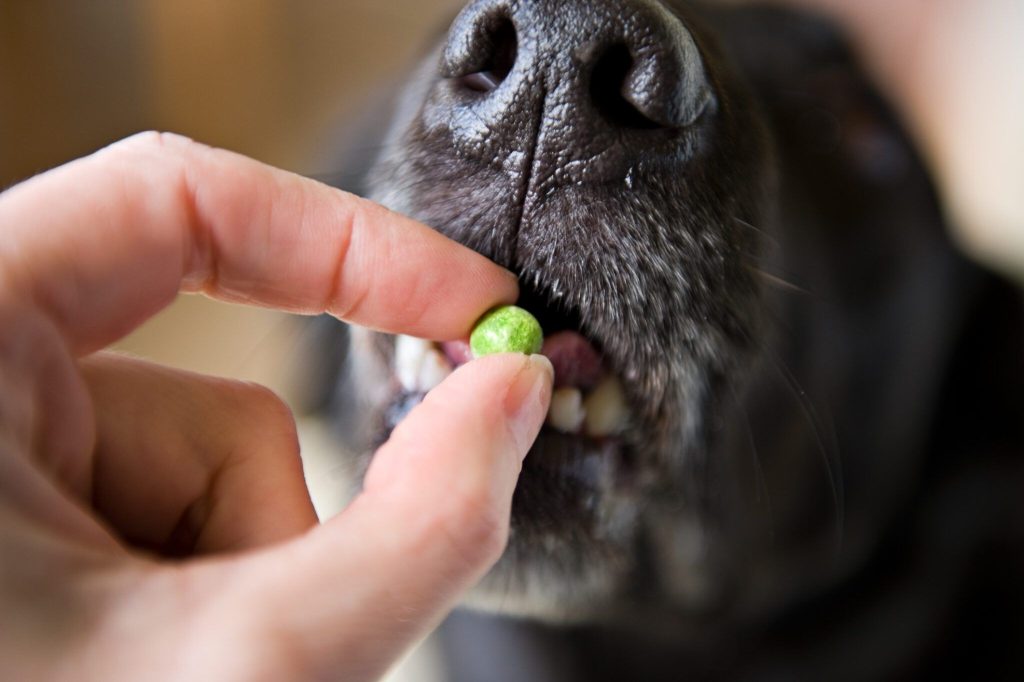
Identifying High-Risk Foods for Pets
Being a pet owner in Nigeria comes with the joyful responsibility of ensuring the health and happiness of your furry companions. However, with this duty also comes the need to be vigilant about high-risk foods that can pose a serious threat to their well-being. For many who enjoy traditional Nigerian cuisine, it may be shocking to learn that some of the ingredients routinely used in meals can be harmful to pets. Identifying these foods is crucial in creating a safe dining environment for your animals.
Everyday Foods to Watch Out For
Many households in Nigeria stock certain staples that, while beneficial for humans, can be detrimental to pets. Familiarity with these foods can make a significant difference in preventing unforeseen health issues. Here are more common toxic foods to avoid:
- Cassava: While this starchy root vegetable is a favorite in many Nigerian dishes, it contains cyanogenic compounds that can lead to cyanide poisoning if not properly prepared. Always ensure that it is cooked thoroughly, and never share raw cassava with your pets.
- Palm oil: Although a staple in Nigerian cooking, excessive consumption of palm oil can lead to obesity and pancreatitis in pets. It’s wise to limit your pet’s intake of fatty foods, including those rich in palm oil.
- Nutmeg: This commonly used spice can be toxic to dogs, potentially leading to disorientation and increased heart rates when ingested in significant amounts. Always be cautious when using spices in your cooking, especially if you share your culinary creations with pets.
- Yeast dough: A common ingredient for baking in many households, yeast can expand in the stomach of pets, causing painful bloating and potentially leading to life-threatening situations. Always keep your raw dough far away from your curious companions.
Moreover, substances like caffeine, found in tea, coffee, and some soft drinks, can be extremely dangerous for pets, particularly dogs. Caffeine can lead to restlessness, rapid heart rate, and even worse consequences if consumed in high quantities.
Raising awareness about these risks not only protects your pets but also enriches the bond shared with them. Understanding which foods are toxic is an essential part of maintaining a balanced diet that caters to your animal’s nutritional needs while steering clear of harmful substances.
Taking proactive steps to educate yourself and your family about safe pet feeding practices can reduce the risk of accidental poisoning. By prioritizing your beloved companion’s health, you can enjoy countless joyful moments together, free from the worry of harmful dietary choices.
Common Toxic Foods for Pets: What to Avoid in Your Animal’s Diet
Understanding what foods are toxic to pets is essential for their health and well-being. Owners must remain vigilant in checking ingredients and avoiding common household foods that can be harmful. Here, we explore several categories of foods that pet owners should be wary of and provide insights into their implications for pet health.
| Toxic Food Category | Potential Dangers |
|---|---|
| Chocolate | Contains theobromine, which can cause heart problems and seizures. |
| Grapes and Raisins | Can lead to acute kidney failure, often with no warning signs. |
| Onions and Garlic | Contains compounds that can damage red blood cells leading to anemia. |
| Avocado | Contains persin, which can cause vomiting and diarrhea in pets. |
Being aware of these toxic foods is crucial in preventing serious health complications for your pets. Regularly consulting reliable sources or your veterinarian ensures your pets are protected from dietary risks, allowing them to lead happy, healthy lives. Remember, vigilance is key in safeguarding their well-being.
Uncommon but Dangerous Foods to Avoid
While many pet owners are aware of some traditional high-risk foods, there are lesser-known ingredients that can equally jeopardize your pet’s health. It is essential to broaden your understanding of these ingredients to create a truly safe culinary environment for your beloved furry friends. Here are a few uncommon toxic foods that may be lurking in your pantry:
- Avocado: Coveted for its creamy texture and nutritional benefits in human diets, avocado contains a substance called persin, which can cause vomiting and diarrhea in pets. Even a little bit can lead to digestive distress, so it’s wise to keep this fruit out of reach.
- Onions and Garlic: Both ingredients are common in many Nigerian dishes, especially in stews and soups. These bulbs belong to the Allium family and can cause oxidative damage to red blood cells in dogs and cats, leading to anemia. Even small amounts can have harmful effects, so it is critical to avoid giving any food containing these vegetables to your pets.
- Chocolate: This well-known treat is a no-go for pets. Chocolate contains theobromine and caffeine, both of which can be fatal to dogs if ingested. The darker the chocolate, the more dangerous it becomes. Even a small piece of chocolate can result in severe health issues, so always secure your treats away from curious paws.
- Grapes and Raisins: Although these may be seen as healthy snacks for humans, they can cause kidney failure in dogs. Even small quantities of grapes or raisins can lead to serious health consequences. If you suspect your pet has ingested these fruits, immediate veterinary attention is crucial.
In addition to the aforementioned foods, alcohol consumption can pose a life-threatening scenario for pets. Often mistaken for innocent human food, any item containing alcohol—such as baked goods or spirits—can lead to significant health complications in animals. Symptoms include vomiting, disorientation, and even coma.
Furthermore, xylitol, a sugar substitute found in many sugar-free products, is extremely toxic to dogs. Even small amounts can lead to a rapid decrease in blood sugar, causing symptoms such as seizures, lethargy, or worse. Be vigilant about what is around your pets, especially if you’re using products that may contain this sweetener.
Recognizing these common toxic foods is the first step to safeguarding your pets against potential health hazards. By taking the time to examine your pantry, you not only protect your companion but also ensure they enjoy a longer, healthier life.
It’s important to share this knowledge with friends and family who might also have pets. The more people that are informed, the broader the network of protection for our loved animals, allowing for happier and healthier households.
Ensuring Your Pet’s Safety: Final Thoughts
In summary, protecting your beloved pet from common toxic foods involves serious attention and awareness of the ingredients you keep in your home. It is essential to stay informed about foods that pose significant health risks, such as avocado, onions, chocolate, and grapes. Each of these can provoke serious health issues ranging from digestive distress to life-threatening conditions like kidney failure.
As pet owners, we must embrace our role as advocates for our companions. This requires vigilance not only in the kitchen but in our overall approach to pet nutrition. Consider developing a habit of reading food labels, researching any new treat before offering it, and avoiding sharing your meals with your animals. Education is key: the more we share awareness about toxic ingredients, the better equipped we are to ensure our pets live longer, healthier lives.
Moreover, don’t hesitate to consult your veterinarian if you’re ever uncertain about the safety of a particular food. They can provide valuable advice and help you formulate a balanced and safe diet for your furry friends. Remember, creating a safe culinary environment goes beyond just avoiding harmful foods—it’s about understanding the dietary needs and restrictions of your pets.
In a world where educating others is more crucial than ever, let’s foster a community that prioritizes pet health, thereby allowing for safer households. By taking these steps, we not only protect our pets from unforeseen dangers but also forge a path toward happier lives together.