
Diets for Animals with Specific Conditions: How Nutrition Can Aid in Recovery
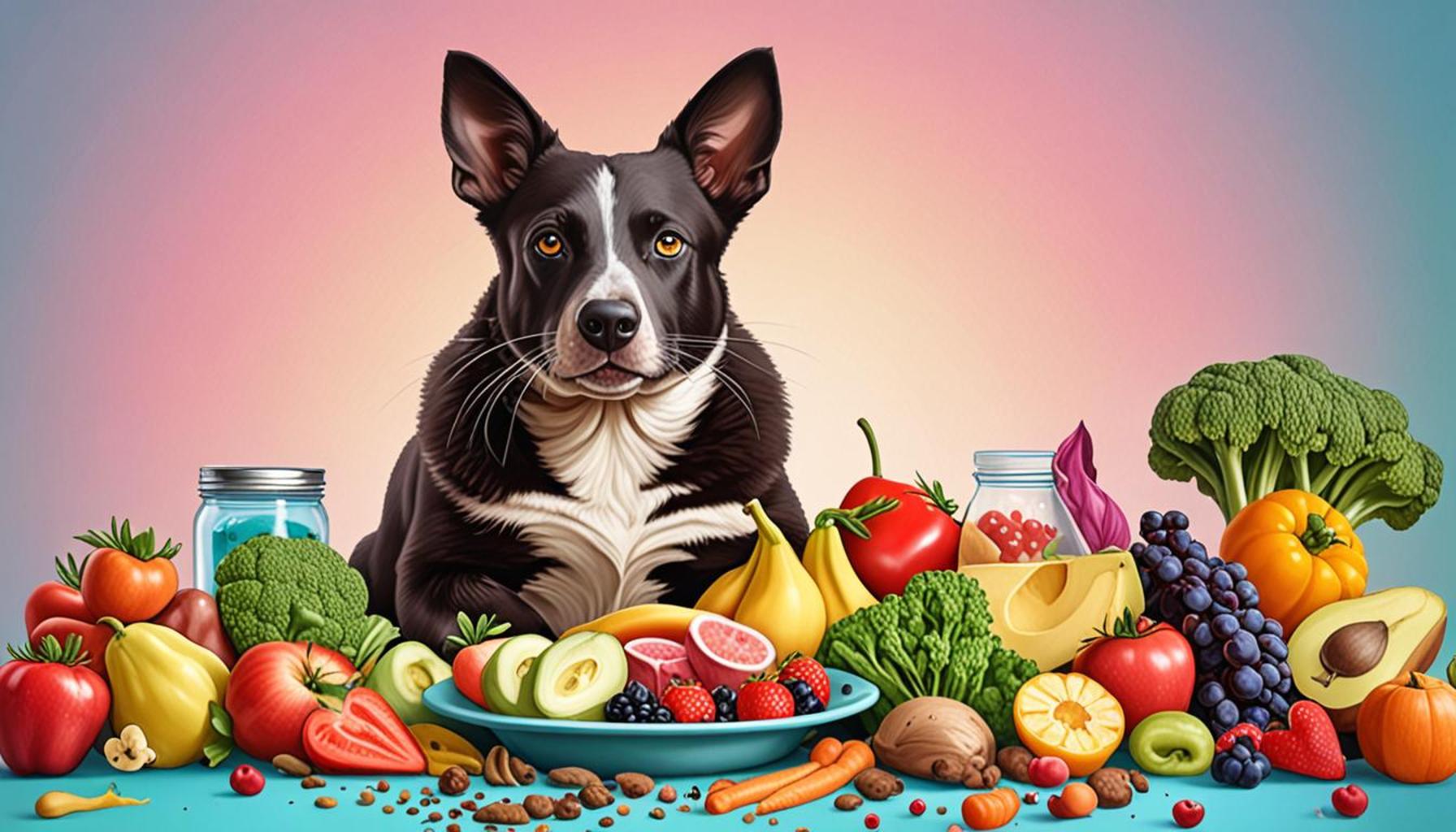
The Importance of Tailored Nutrition in Animal Recovery
Animal health derives much of its foundation from a balanced and appropriate diet, particularly for those on the mend from illness or injury. Specific conditions demand nutritional strategies that cater expressly to the unique needs of the animal during recovery. Utilizing the right food helps supply crucial nutrients, bolsters immune support, and lessens the strain on damaged organs, ultimately fostering quicker healing.
To illustrate, let’s consider some conditions that can benefit substantially from specialized diets:
- Diabetes – For diabetic pets, low-carbohydrate diets are vital. Such a diet helps regulate blood sugar levels, promoting stability and energy while reducing the risk of diabetic crises.
- Kidney Disease – Pets suffering from kidney ailments require diets that are lower in protein and phosphorus. These modifications lessen the burden on the kidneys, improving quality of life and potentially prolonging lifespan.
- Obesity – Formulations featuring reduced calories can significantly aid in weight management for overweight animals. Maintaining a healthy weight is essential for preventing numerous related health issues, including joint problems and predisposition to other diseases.
- Allergies – Pets with food allergies benefit from limited ingredient diets, which simplify the food profile. This approach helps pinpoint and manage sensitivities while providing balanced nutrition.
In places like Nigeria, the role of nutrition in animal recovery may not be as deeply understood as it could be. Many pet owners may lack access to information or resources about how tailored diets can bolster their pets’ recovery journeys. However, with local veterinarians and animal nutritionists, it is entirely feasible to create meal plans that are both advantageous and accessible. Professionals can guide pet owners in selecting appropriate ingredients available in the market, ensuring that animal health is prioritized within the local context.
Moreover, understanding the food options available within Nigeria, such as fresh meats, grains, and vegetables, can empower pet owners to craft nourishing meals. For example, making use of locally sourced protein like fish from Nigerian rivers can be both nutritious and economical. Dogs and cats that thrive on home-cooked meals can benefit significantly from the inclusion of such ingredients.
As we delve further into this topic, we will explore how effective nutritional strategies can enrich the lives of pets and equip owners with the knowledge needed to support their animal’s health through various ailments. By fostering a deeper understanding of dietary needs, we not only enhance recovery rates but also promote holistic animal well-being.
Understanding Specialized Diets for Common Health Issues
The journey to recovery for animals facing specific health challenges often necessitates a fine-tuned approach to nutrition. Tailored diets are not just beneficial but critical for animals recovering from conditions that alter their dietary needs. Each condition brings its own set of nutritional requirements, and understanding these can make all the difference in aiding your pet’s recovery.
For instance, let’s delve further into the significant role that nutrition plays in managing chronic conditions:
- Diabetes – Similar to humans, diabetes in pets can lead to severe complications if not properly managed. A low-carbohydrate, high-protein diet helps mitigate blood sugar spikes. Adding fiber sources such as sweet potatoes can enhance satiety, further contributing to stable glucose levels.
- Kidney Disease – Kidney issues often require careful management of nutrient intake. A diet low in protein not only minimizes protein byproducts that burden the kidneys but may also include therapeutic nutrients like omega-3 fatty acids found in fish oil. These can help combat inflammation and support kidney function.
- Obesity – Excess weight is a rapidly growing problem among pets in Nigeria, often exacerbated by limited opportunities for exercise. Providing a diet that is lower in calories while being high in essential nutrients (like vitamins A and C for immune support) can help combat obesity effectively. Incorporating local vegetables such as ugwu (pumpkin leaves) can enhance the nutrient profile without excessive calories.
- Allergies – Pets with allergies often benefit from a limited ingredient diet that eliminates potential allergens. These diets focus on easily digestible proteins and grains, such as groundnut or modified yam flours, which can often be found more easily in the local market.
In densely populated regions like Lagos or Abuja, where lifestyles change rapidly and access to pet-specific resources may fluctuate, understanding how to tailor these diets becomes even more pertinent. Working closely with a veterinary nutritionist can provide pet owners with comprehensive insights into available options while ensuring nutritional adequacy.
Moreover, community awareness about the importance of diet in recovery can change the way many approach pet health. For pet owners in Nigeria, seeking guidance on affordable, nutritious ingredients to include in homemade meals can transform the recovery experience for their beloved companions. Harnessing local resources such as chicken, which is widely available, alongside ginger—a common ingredient noted for its anti-inflammatory properties—can create balanced meals that cater to specific conditions.
As we further explore the intricacies of animal nutrition in recovery, it is essential for pet owners to also understand the impact of hydration. Access to clean drinking water is paramount for all animals but becomes even more critical for those requiring special diets. Proper hydration supports metabolic functions and aids the dispersal of nutrients, further facilitating healing.
By educating pet owners on these fundamental elements, we pave the way for enhanced animal welfare, promoting a healthier and happier existence for our cherished companions, while ensuring that they receive the individualized care they deserve.
Diets for Animals with Specific Conditions: The Role of Nutrition in Recovery
Nutrition is essential not only for maintaining overall health but also for addressing specific conditions in animals. Tailored diets can significantly influence recovery processes, enhance immune function, and promote overall wellbeing. For instance, animals recovering from surgery may require diets higher in protein to facilitate tissue repair and healing. Similarly, pets managing chronic conditions such as diabetes or kidney disease benefit from specially formulated diets that support their unique metabolic needs.One of the critical considerations in designing these diets involves understanding the nutrients necessary for recovery. For example, Omega-3 fatty acids are known for their anti-inflammatory properties, making them particularly beneficial for animals with joint issues or skin allergies. Furthermore, vitamins and minerals play a pivotal role in metabolic functions and immune health. Nutritional therapies can be particularly potent when coupled with other treatment modalities, accelerating recovery times and enhancing the quality of life for our furry companions.Alongside using appropriate ingredients, portion control also becomes essential, especially for animals prone to obesity. An effective diet should not only focus on what animals consume but also how much, preventing complications associated with overfeeding. Additionally, hydration plays a crucial role in recovery; ensuring pets stay well-hydrated can help streamline metabolic processes and support recovery.For pet owners and caregivers, understanding the benefits of nutrition in recovery is vital. Consulting with veterinarians or pet nutritionists can help tailor diets that not only meet specific health needs but also enhance recovery and promote long-term health. The journey towards better health through dietary management becomes a partnership between caregivers and animal health professionals, facilitating a healthier and happier life for animals facing health challenges.
| Category | Benefits |
|---|---|
| Protein-Rich Diets | Supports tissue repair and muscle recovery. |
| Anti-Inflammatory Nutrients | Reduces inflammation and alleviates joint pain, ideal for arthritis. |
| Hydration | Essential for metabolic functions and enhancing recovery. |
| Vitamins and Minerals | Support immune function and overall health during recovery. |
Nourishing Recovery: Key Nutritional Strategies for Specific Conditions
As pet owners navigate the complexities of dietary needs for their beloved companions, understanding specific nutritional strategies becomes essential. Various conditions require not only careful ingredient selection but also expert knowledge of how each component interacts with the animal’s body. Employing the right choices can significantly enhance recovery outcomes and improve overall well-being.
In addition to the conditions previously discussed, let’s examine the specialized dietary requirements for other prevalent health issues:
- Heart Disease – Pets suffering from heart conditions may need a diet that is low in sodium to help manage their blood pressure. Including ingredients rich in taurine, a crucial amino acid for heart health found in poultry and fish, can greatly benefit these animals. Additionally, incorporating antioxidants, such as blueberries, supports cardiovascular function by reducing oxidative stress.
- Gastrointestinal Disorders – Animals with digestive troubles often require a diet rich in easily digestible ingredients. Opting for hydrolyzed proteins can minimize allergic reactions, while including probiotic-rich foods, like yogurt, can restore balance to the gut microbiome. Local options such as cooked rice with shredded chicken provide gentle nourishment for these sensitive animals.
- Arthritis – Joint health is a significant concern for aging pets, and incorporating anti-inflammatory components into their dishes can provide relief. Diets enriched with glucosamine and chondroitin (often found in shellfish) promote joint mobility. Additionally, including omega-3 fatty acids through fish oil or flaxseed can help reduce inflammation, ultimately enhancing mobility in arthritic pets.
- Skin Conditions – For animals experiencing skin irritations or allergies, a diet focusing on essential fatty acids is key. Fish oil and food rich in omega-6 (like sunflower oil) can improve skin coat quality, reducing flakiness and itchiness. Furthermore, carefully selected proteins such as lamb or venison can lessen allergenic responses compared to more common sources like beef or chicken.
With an extensive array of dietary options, pet owners in Nigeria have access to various locally-sourced ingredients that can effectively complement therapeutic diets. Local markets offer an abundance of fresh produce and proteins, providing countless opportunities for crafting meals that cater to specific health needs. For example, pairing locally sourced fish or goat meat with regional vegetables can create balanced, nutritious meals.
Moreover, as pet owners acknowledge the significance of these diets, it is vital to remain informed about any potential food additives or preservatives that could adversely affect their pets. Collaborating with local veterinarians or pet nutritionists ensures that dietary transitions are made smoothly, minimizing the risk of gastrointestinal disturbances or sensitivities.
Additionally, it is critical to adhere to put preventive measures in place, particularly when adopting a new nutritional approach. Regularly monitoring your pet’s weight, energy levels, and overall health should coincide with dietary changes to gauge efficacy. Pets often display their discomfort or dissatisfaction with food changes through behavioral cues, and being attentive to these signs can foster a better recovery journey.
Overall, enhancing community knowledge about the significance of tailored diets can empower pet owners to make informed choices that enhance their animal’s health. Recognizing the complexity of each condition paired with an understanding of nutritional needs sets the stage for fostering long-lasting health and happiness in our furry friends.
Empowering Pets through Tailored Nutrition
In conclusion, understanding the nuances of diets for animals with specific conditions is paramount for pet owners looking to aid in their furry companions’ recovery. As we’ve explored, conditions such as heart disease, gastrointestinal disorders, arthritis, and skin issues have distinct nutritional requirements that directly impact the healing process. Recognizing and addressing these needs can dramatically enhance the quality of life and promote optimal health in pets.
It’s essential for owners to work closely with local veterinarians or pet nutritionists, particularly in Nigeria, where access to fresh, locally-sourced ingredients can be beautifully integrated into these specialized diets. For example, incorporating Nigerian staples such as yams or vegetables alongside proteins like fish or goat meat not only supports recovery but also ensures balanced, nutritious meals tailored to specific health concerns.
Additionally, staying vigilant about potential dietary sensitivities and being observant of behavioral changes in pets during dietary transitions can yield significant benefits. This proactive approach fosters an environment of trust and comfort for pets while ensuring their dietary needs are aptly met.
Ultimately, by prioritizing nutritional strategies for animal recovery and enhancing community awareness, pet owners can play a pivotal role in promoting the well-being of their valued companions. The journey towards recovery is enriched when we blend knowledge and compassion through our choices in nutrition.