
Exotic Reptile Species: Care and Considerations for Future Owners
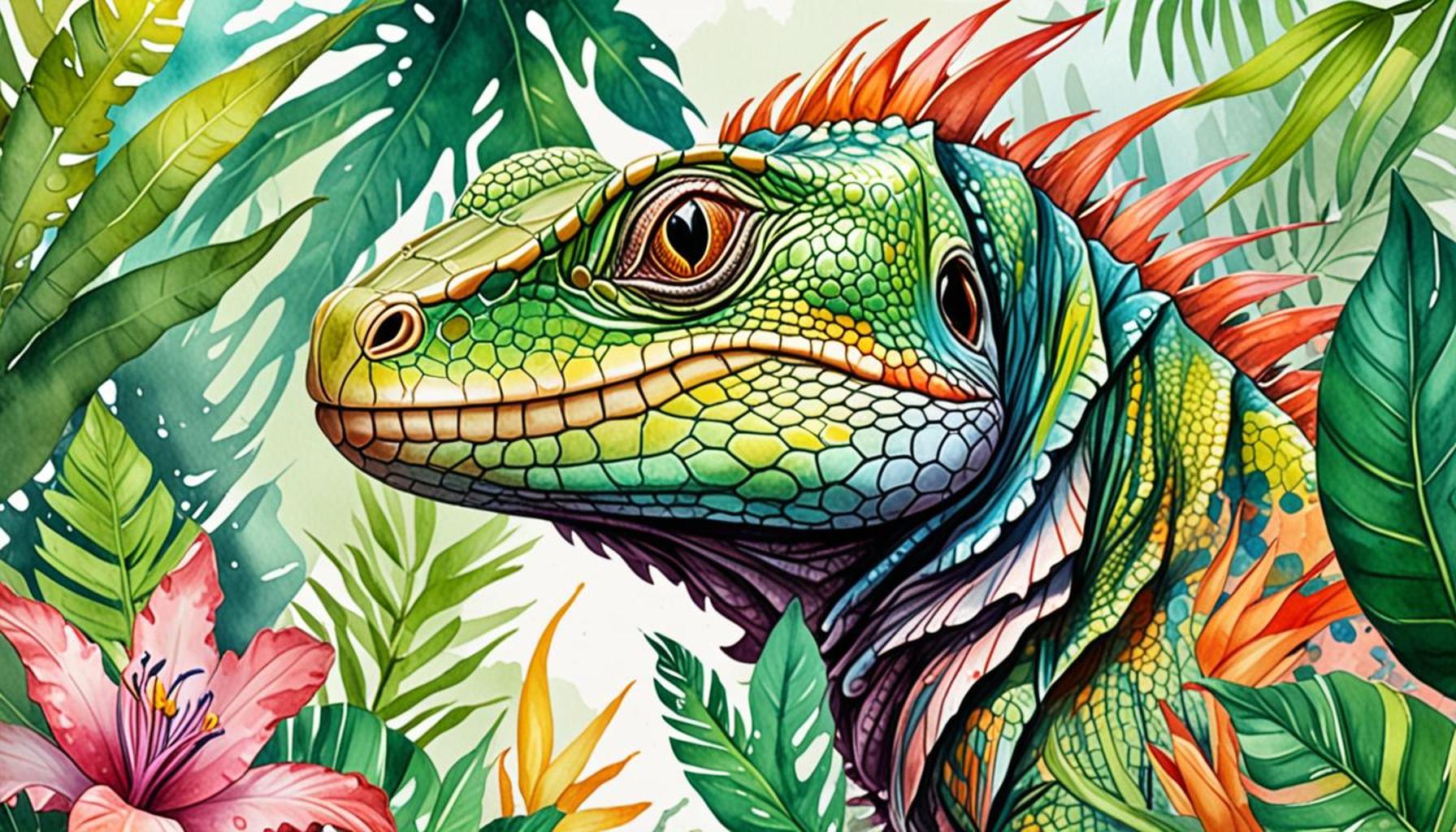
Exploring the Unique World of Exotic Reptiles
Owning an exotic reptile can be a fascinating journey into the lesser-known facets of the animal kingdom. These unique creatures not only provide companionship but also serve as a window into diverse ecosystems and the wonders of evolution. However, potential owners must navigate various factors and challenges before embarking on this captivating adventure.
The Allure of Exotic Reptiles
An increasing number of people are finding joy and intrigue in keeping reptiles as pets. There are several elements that contribute to their growing popularity:
- Diversity: The world of reptiles is incredibly varied, with options ranging from vibrant chameleons and giant tortoises to sleek snakes and geckos. For instance, the bearded dragon, native to Australia, is known for its calm demeanor, making it a popular choice for beginners. Conversely, for those who crave more excitement, constrictor snakes such as the ball python offer a captivating display of behavior and color morphs.
- Low Maintenance: In comparison to traditional pets like dogs and cats, many reptiles require significantly less upkeep. For example, a leopard gecko can thrive with simple diet and habitat needs, making it an excellent choice for those with less time to spare. This low-maintenance requirement is especially appealing to busy urban dwellers in cities across Nigeria.
- Educational Value: Owning a reptile can boost one’s understanding of biology and conservation efforts. Learning about the specific habitats, diets, and behaviors of these animals helps foster a deeper appreciation for biodiversity. Moreover, reptiles can play a vital role in teaching children about responsibility, care, and the fragility of ecosystems.
Important Considerations
Before diving headfirst into the world of exotic reptiles, it is crucial to take several key considerations into account:
- Habitat Needs: Reptiles require specialized enclosures that mimic their natural environments. This means providing adequate space, temperature control, and humidity. For example, a green iguana needs a sizable habitat complete with climbing branches and UV lighting to thrive. Without these conditions, the wellbeing of the reptile can significantly suffer.
- Feeding Requirements: Each species has distinct dietary needs, which may require sourcing specific types of food. While some reptiles are herbivores, others are carnivorous, and some, like the omnivorous bearded dragon, have a diverse diet. Understanding these nutritional needs is crucial for maintaining the health of your exotic pet.
- Legal Regulations: Potential reptile owners in Nigeria must familiarize themselves with local laws pertaining to reptile ownership. Some species may be considered endangered or protected, making it illegal to own or trade them. Being aware of these regulations ensures that you are both ethical and responsible in your choice of pet.
As you contemplate welcoming a reptile into your home, be sure to engage in thorough research about the specific species that intrigue you. Knowledge of their care, personality, and requirements will certainly lead to a fulfilling and educational experience with your future scaly companion.
Caring for Your Exotic Reptile: Essentials for Success
As you ponder the idea of bringing an exotic reptile into your home, it’s essential to delve deeper into the specifics surrounding their care requirements. Each species brings its own unique set of needs, and understanding these will set the foundation for a successful and enriching relationship between you and your future scaly companion.
Creating the Perfect Habitat
Creating a suitable habitat is a critical first step in ensuring the happiness and well-being of your exotic reptile. Reptiles are ectothermic, meaning they rely on external heat sources to regulate their body temperature. This makes temperature gradients within their enclosures vital. For instance, a corn snake will thrive in an enclosure with a warm basking area and a cooler section to retreat to. The right temperature range usually varies by species, so research on your specific reptile is paramount.
In addition to temperature, humidity levels can significantly impact the health of your exotic pet. Many reptiles, such as chameleons, require high humidity to maintain proper hydration and skin health. To achieve the right humidity, regularly misting the enclosure or incorporating a substrate that retains moisture can be beneficial. It’s worth noting that a simple hygrometer can help monitor these conditions, ensuring that you maintain an optimal environment.
Lighting is another crucial component of habitat creation. UVB lighting is particularly important for many reptiles, enabling them to synthesize vitamin D3, which in turn aids in calcium absorption. Without sufficient UVB light, reptiles can suffer from metabolic bone disease. Therefore, make sure you invest in quality lighting systems that suit the needs of your specific species.
Understanding Feeding Needs
The advent of owning an exotic reptile also ushers in an array of dietary considerations. While some reptiles are relatively easy to feed, others may require a more complex diet that mimics their natural food sources. Here are some common dietary requirements for various exotic reptiles:
- Insects: Species such as leopard geckos and bearded dragons thrive on a diet of live insects, such as crickets and mealworms. It’s essential to properly gut-load these insects with nutritional supplements before feeding them to your pet.
- Greens and Vegetables: Many tortoises and herbivorous lizards benefit from a varied diet that includes dark leafy greens and vegetables. Ensuring a well-rounded diet keeps these reptiles healthy and vibrant.
- Specialty Foods: Some exotic reptiles might require specialized foods that can be purchased at pet stores or online, such as specific pellets formulated to meet their dietary needs.
As you prepare to care for an exotic reptile, consider the effort required to maintain their ideal diet. This responsibility goes beyond merely providing food; it involves understanding proper nutrition, sourcing live prey where necessary, and even ensuring safe feeding practices.
By equipping yourself with knowledge and resources about the particular needs of your chosen species, you pave the way for a fruitful and rewarding journey into the enchanting realm of exotic reptiles.
| Advantage | Details |
|---|---|
| Unique Companionship | Exotic reptiles offer a distinctive form of companionship that differs from traditional pets such as dogs or cats. |
| Low Maintenance | Many exotic reptiles require less daily attention, leading to lower overall commitment while still providing an engaging experience. |
| Educational Opportunities | Owning an exotic reptile can greatly enhance knowledge about biodiversity and animal care, inspiring further research and learning. |
| Aesthetic Appeal | Their captivating colors and patterns can add a unique decorative aspect to any home environment. |
The world of exotic reptiles beckons with numerous options for potential owners. However, these animals come with their own set of responsibilities and requirements. It is critical for anyone considering ownership to delve into practical care guidance. Factors like habitat size, temperature needs, and dietary specifics vary significantly among species. Moreover, understanding the legal considerations regarding the ownership of exotic reptiles is essential. Many regions have regulations in place that may restrict certain species, ensuring that enthusiasts make well-informed decisions while adhering to legal constraints. As interest heightens in the captivating world of exotic pets, prospective owners should prepare to immerse themselves in care techniques that cater to the unique needs of these remarkable animals. Exploring reputable resources is vital to ensure their well-being and longevity, providing future owners with the tools necessary for a rewarding experience.
Advanced Care Considerations for Exotic Reptiles
Embracing the journey of an exotic reptile owner goes beyond establishing their habitat and feeding them properly. There are additional considerations that future owners must navigate to ensure a thriving and stress-free environment for their new companions. Understanding the behavioral needs, health management, and long-term commitment involved in reptile care is pivotal for any aspiring reptile enthusiast.
Behavioral Understanding and Socialization
Each exotic reptile possesses unique behavioral traits that can be intriguing yet complex to navigate. It is crucial to not only recognize these traits but also to foster an environment that allows your reptile to express natural behaviors. For instance, chameleons are often solitary creatures; they prefer to be alone and can become stressed if housed with other reptiles. On the opposite side of the spectrum, some species like green iguanas can exhibit social behaviors and might thrive with appropriate companionship.
Spending time observing your reptile’s behavior can provide insights into their temperament and stress triggers. Signs of stress can include hiding, aggressive posturing, or failure to eat. Maintaining low noise levels and creating secure hiding spots within their habitat can help mitigate stress factors. Moreover, when handling your reptile, gentle and confident interactions are key to fostering trust and comfort.
Health and Wellness Monitoring
Proactive health management is essential for keeping your exotic reptile in peak condition. Regular veterinary check-ups should be prioritized, particularly with a veterinarian experienced in reptiles. Preventive care, including routine fecal exams and vaccinations where applicable, can significantly enhance your pet’s quality of life. Familiarize yourself with common health issues related to your species; for instance, metabolic bone disease is prevalent in reptiles lacking adequate calcium and UVB exposure.
Another integral aspect of health management is regular cleaning of the habitat to prevent disease and parasites. Use reptile-friendly disinfectants and maintain a consistent cleaning schedule to ensure an optimal living condition. Furthermore, observing your reptile for signs of illness, such as lethargy or changes in eating habits, allows for early intervention and treatment.
Long-Term Commitment and Financial Considerations
Before bringing an exotic reptile into your life, it is imperative to understand the long-term commitment involved. While some reptiles may have a lifespan of just a few years, others like ball pythons and tortoises can live for several decades, sometimes outliving their owners. This longevity necessitates careful planning regarding their future care and housing.
Financial considerations are equally important. Beyond the initial purchase price, the cost of maintenance—including habitat setup, ongoing food supplies, heat and lighting equipment, and medical care—can accumulate quickly. Planning a budget not only ensures that you can meet your pet’s needs, but also allows for the unexpected, like emergency vet visits.
By approaching ownership with an informed and open mindset, prospective reptile owners can embark on a fulfilling journey that respects the lives and well-being of these fascinating creatures. Not only do they stand to gain a unique companion, but they also become part of a broader community that promotes the understanding and conservation of these extraordinary species.
Conclusion
In the captivating realm of exotic reptiles, the prospect of ownership is an inspiring journey filled with unique challenges and rewarding experiences. As we have explored, the responsibilities that come with caring for these fascinating creatures go far beyond aesthetics; they delve into understanding their distinct behavioral needs, ensuring proactive health management, and committing to long-term care plans. With species like ball pythons and tortoises living for decades, future owners in Nigeria must approach this venture with foresight and dedication.
Moreover, the financial and emotional investments involved can be substantial, ranging from habitat setup and dietary requirements to potential veterinary costs. Prospective owners should cultivate a conscientious mindset, preparing for both the joys and challenges that arise with these exotic companions. Engaging with the local community and resources focused on reptile care can provide invaluable support and knowledge.
Ultimately, by embarking on the journey of caring for an exotic reptile, owners not only enhance their lives but also contribute to the broader understanding and conservation efforts aimed at these remarkable species. Therefore, as you consider welcoming one of these remarkable pets into your home, ask yourself: are you ready to embrace the responsibility, the beauty, and the wonder of these extraordinary beings? Your adventure awaits!