
Hamster Breeds: Care and Personalities You Should Know
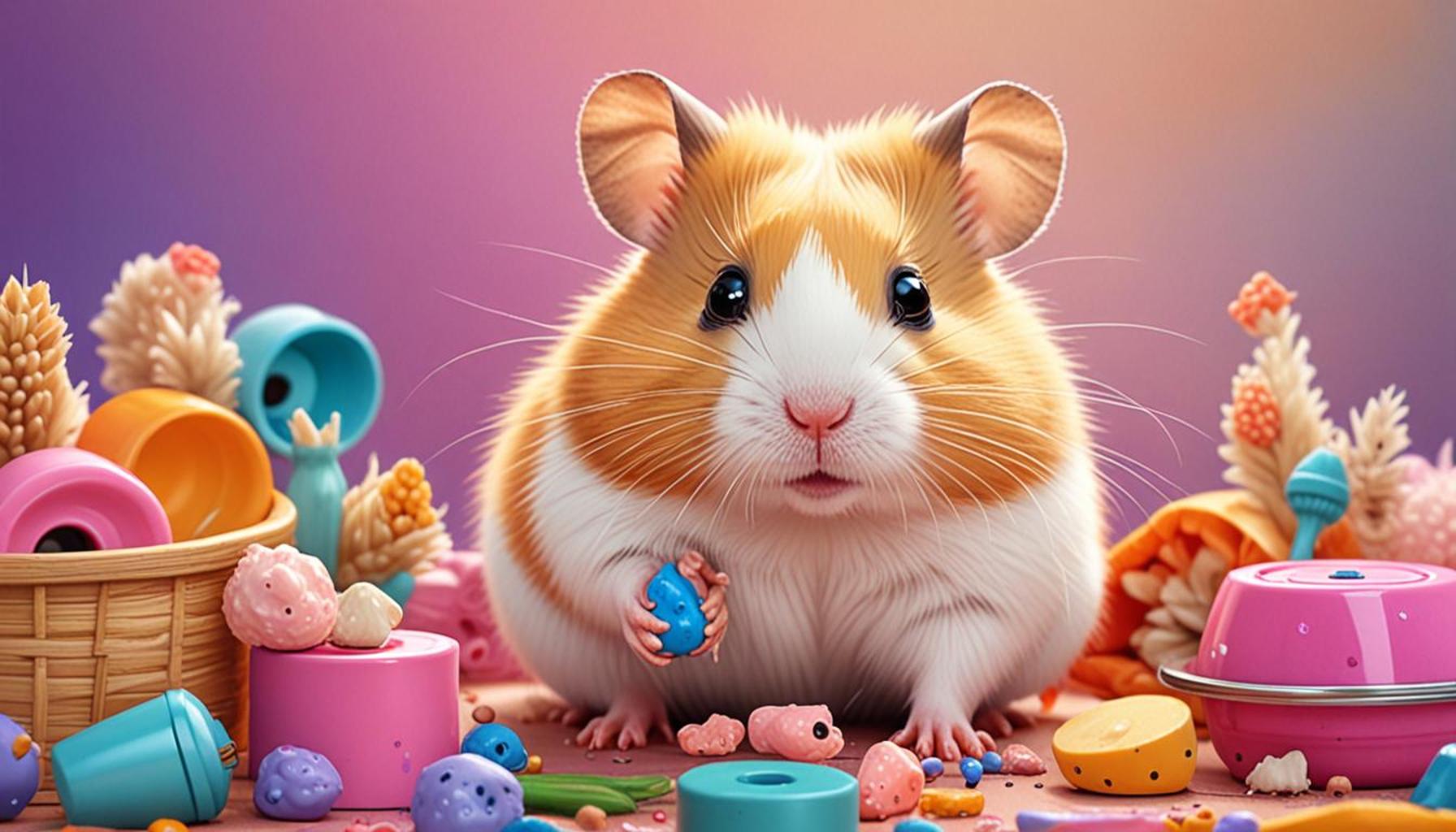
Understanding Hamster Breeds
Hamsters are enchanting creatures that charm pet lovers all over the world. Their small size, distinctive looks, and playful behavior make them ideal companions for both children and adults alike. However, to provide the best care for these little friends, it is essential to grasp the varying hamster breeds and the unique characteristics that each possesses.
Different breeds of hamsters come with their own special traits and care needs. Below are some of the most commonly kept breeds you may wish to consider:
- Syrian Hamster: Often referred to as the Golden hamster, this breed is the most popular due to its friendly temperament and characteristics. They can grow to about 6-7 inches long and are generally solitary, preferring to live alone. Ideal for first-time pet owners, Syrian hamsters are not only social but also enjoy being handled, making them an excellent choice for families.
- Dwarf Campbell’s Hamster: This breed is smaller, measuring about 3-4 inches, and is known for its social nature. Dwarf Campbell’s hamsters have a curious demeanor and thrive best in pairs or small groups. Their inquisitive behavior can be stunning to observe, but they should not be mixed with other breeds due to potential conflicts over territory.
- Roborovski Hamster: The smallest breed, typically no larger than 2-3 inches, Roborovski hamsters are lively and fast. These tiny dynamos are often found darting in and out of tunnels and toys in their habitat. Their energetic nature can provide endless entertainment, but they are less likely to enjoy handling compared to larger breeds.
Knowing the specific care requirements for each type is crucial in ensuring your hamster leads a happy and healthy life. For instance, Syrian hamsters prefer larger enclosures with plenty of opportunities for wheel-running and climbing, while Dwarf Campbell’s hamsters thrive in environments that encourage social interactions. In contrast, Roborovski hamsters require a large space to accommodate their energetic lifestyle, often needing a habitat with tunnels, toys, and climbing structures to explore.
As you journey deeper into the realm of hamster ownership, you will discover that their personalities are just as varied as their breeds. A gentle Syrian hamster can become a cherished snuggle buddy, while a playful Roborovski can turn ordinary moments into playful adventures. Choosing the right breed is essential and can significantly enhance your experience as a pet owner.
Investigating hamster care and exploring their quirky behaviors will foster a stronger bond with your furry friend and enrich your daily life. Whether it’s understanding their dietary needs—such as the importance of a balanced diet rich in seeds, pellets, and occasional fresh fruits—or learning how to create a stimulating habitat filled with toys and exercises, every bit of knowledge strengthens your relationship with these adorable companions.
Ultimately, embracing the world of hamsters provides not only companionship but also countless opportunities for joy and discovery. As you delve into this delightful journey, you’ll find that your efforts in understanding and caring for your pet go a long way in ensuring their happiness and well-being.
Care Requirements for Each Hamster Breed
Understanding the specific care requirements of each hamster breed is a significant step towards ensuring a healthy and invigorating life for your furry companions. Each breed presents its own needs and quirks, making it vital for owners to adapt their care routines accordingly. Below, we delve into the essentials of hamster care based on breed characteristics.
Syrian Hamster Care
As the most well-known breed, the Syrian hamster requires a spacious habitat to roam. A minimum cage size of 24 inches long is recommended, complete with tunnels, shelves, and a large wheel for exercise. These hamsters are naturally curious and thrive when given enough space to explore and exhibit natural behaviors. Moreover, they need a diet rich in fresh fruits, vegetables, and high-quality pellets. Syringes or small dishes are ideal for administering water, ensuring they are always hydrated. Regular handling is encouraged to enhance their social nature; however, it’s crucial to ensure that interactions are calm and gentle.
Dwarf Campbell’s Hamster Care
On the other hand, Dwarf Campbell’s hamsters are social creatures that flourish in pairs or small groups. When keeping these hamsters, it is essential to create a dynamic environment with various toys and tunnels for them to play and explore. Their cages should also be spacious, with a minimum of 12 inches of height to accommodate climbing structures. A diet comprising specific hamster pellets, seeds, and occasional fresh produce will ensure optimal health. Owners need to closely monitor their interactions while handling these hamsters, as they can be territorial if housed with others erratically. Regular socialization is crucial for this breed, allowing them to bond and reduce stress.
Roborovski Hamster Care
Roborovski hamsters, with their lively antics, need ample space to accommodate their energetic nature. Their habitats should include tunnels and climbing apparatus, enabling them to stay active and stimulated. Unlike their larger counterparts, Roborovski hamsters are generally less inclined towards handling but can still be socialized with careful patience. Providing a balanced diet that includes fresh fruits, vegetables, and commercial hamster blends is vital to their health. As these hamsters love to burrow and hide, creating an environment that mimics their natural habitat is essential. Owners may also want to provide a sand bath to help maintain their coat health.
Common Care Tips for All Breeds
- Housing: A clean, spacious cage is non-negotiable for any hamster breed.
- Diet: Balanced nutrition including commercial feed, seeds, and the occasional fruit or vegetable is crucial.
- Exercise: Ensure your hamster has access to toys, tunnels, and exercise wheels to maintain physical health.
- Socialization: Spend time interacting with your hamster appropriately to foster trust and companionship.
- Health Check: Regularly monitor your hamster for any signs of illness and ensure close attention to their cleanliness and habitat maintenance.
By understanding and implementing the various care techniques catered to each breed of hamster, you set the stage for a fulfilling relationship with your pet. Whether you’re nurturing a social Dwarf Campbell, an adventurous Roborovski, or a tranquil Syrian, the joy they bring is unparalleled when their needs are met holistically.
| Hamster Breeds | Care and Personalities |
|---|---|
| Syrian Hamster | Known for their affectionate personality and larger size, making them great pets. |
| Dwarf Hamsters | They are sociable and can be kept in pairs; require less space but more careful handling. |
| Roborovski Hamster | Extremely active and quick, they thrive in environments that allow room for exploration. |
| Campbell’s Dwarf Hamster | Friendly and curious, they adapt well to their owners with consistent socialization. |
Selecting the right hamster breed for your home is crucial, as each type has distinctive personalities and care requirements. Understanding these nuances not only enhances your experience as a pet owner but also ensures that your furry friend thrives in a loving environment. For instance, Syrian hamsters, often considered the ideal beginner pet due to their manageable temperaments, offer an affectionate bond. On the other hand, dwarf hamsters bring out a lively energy that might delight those seeking an active companion.Moreover, maintaining proper care routines specific to each breed—such as habitat setup and diet—is essential. Every breed presents unique challenges and rewards, encouraging potential owners to research thoroughly and select accordingly. Dive into the fascinating world of hamsters, where each breed tells a story through its behavior and care needs.
Understanding Hamster Personalities
Every hamster breed showcases its unique character traits, which can significantly influence your choice as a pet owner. Knowing these personalities aids in establishing a bond and managing their behavior appropriately. Here’s a closer look at the personality profiles of popular hamster breeds.
Syrian Hamster Personality
Syrian hamsters are often regarded as the gentle giants of the hamster world. They tend to be affectionate and relatively easy to handle, making them a popular choice for families and first-time pet owners. This breed can develop a deep bond with its owner if interacted with patiently. They can recognize their caregivers, showing affection by willingly climbing into hands or settling on laps. However, they are known for their territorial nature, especially during breeding seasons, which can lead to aggression if not handled properly. It’s important to respect their personal space and avoid housing them with other adult Syrian hamsters to ensure harmony.
Dwarf Campbell’s Hamster Personality
Dwarf Campbell’s hamsters have an entirely different demeanor; they are social and playful. Adapting to communal living, they often enjoy the company of their own kind, forming close-knit bonds. However, their social nature can be double-edged; without proper introductions and ample space, they can become defensive. These hamsters are known for their high energy levels and curiosity, making them more engaging pets. Regular handling from a young age can help tailor their behavior, allowing them to become accustomed to human interaction while reducing territorial tendencies.
Roborovski Hamster Personality
Roborovski hamsters are like tiny bundles of energy, characterized by their lively and fast-paced nature. Unlike Syrian hamsters, they are not as inclined for human interaction, but they do exhibit playful behavior that invites admiration from their owners. These little critters are often more suited for owners who enjoy watching their antics rather than handling them. Roborovski hamsters can be surprisingly intelligent and curious, often engaging with toys and challenges presented in their habitats. Creating an environment with stimulating climbing surfaces and hideouts encourages their natural instincts, making their personality shine while keeping them entertained.
Understanding Behavior and Training
Regardless of the hamster breed, owners should cultivate a basic understanding of their behaviors and potential challenges. Training and socialization play critical roles in a hamster’s development and ability to connect with humans. For instance, punishing a hamster for unwanted behavior is counterproductive; instead, redirecting that behavior or improving the environment can lead to desirable outcomes. Additionally, a clean and enriching habitat can help minimize stress, as hamsters are sensitive to their surroundings.
- Interactive Toys: Providing toys that stimulate mental engagement is essential for all hamster breeds.
- Handling Habits: Begin handling at a young age to build trust, ensuring each interaction is calm and positive.
- Observation: Spend time watching their behaviors to understand their needs and moods.
- Timely Interventions: Address any signs of stress or illness promptly with appropriate measures.
Every hamster has its own story and personality to share. Understanding each breed’s individuality not only enriches your experience as a pet owner but also fosters a loving relationship. Armed with knowledge about their care and temperaments, you are well-equipped to provide the best possible life for your tiny companion.
Conclusion: The Joy of Choosing the Right Hamster Breed
In conclusion, understanding the various hamster breeds and their distinct personalities is fundamental for any prospective owner looking to forge a meaningful connection with these adorable companions. Whether you opt for the affectionate Syrian hamster, the sociable Dwarf Campbell’s, or the playful Roborovski, each breed offers a unique experience that caters to different lifestyles and preferences. Selecting the right breed aligns with your expectations and ability to cater to their care needs, ensuring a harmonious living environment.
Furthermore, recognizing the significance of early socialization and training can enhance your hamster’s adaptability and comfort in its new home. Engaging with toys, providing a stimulating habitat, and observing their behavior will not only bring joy to you as an owner but also enrich your hamster’s life. Remember, your investment in learning about their individual temperaments will directly affect their well-being and create a fulfilling relationship.
As you embark on this delightful journey with your new hamster friend, keep in mind the importance of patience, respect, and understanding of their individual quirks. This nurturing approach not only builds trust but helps lay a solid foundation for a loving and lasting bond. By diving deeper into their personalities, you are poised to create an enriching life for both yourself and your furry companion, transforming mere ownership into a rewarding journey filled with discovery and affection.