
How Behavior Training Can Improve the Relationship Between Owners and Cats

Understanding Your Feline Companion
In many households across Nigeria, cats are more than just pets; they are beloved family members who bring joy, comfort, and even a bit of craziness into our lives. Whether it’s the gentle purring while curled up on your lap or the playful antics that unfold during a lively chase of a toy, cats provide moments of entertainment and companionship that can brighten our days. However, the reality is that understanding their behavior can sometimes feel like cracking a secret code. That’s where proper behavior training comes into play—acting as a bridge that connects the feline world with our own, fostering communication and deepening the bond between cats and their owners.
Why is behavior training essential? Here are some key reasons:
- Enhances communication: With effective behavior training, owners learn to interpret their cats’ signals, which can range from tail position to vocalizations. For instance, a cat that rubs against your leg is not just seeking your attention but is also marking you with its scent, signifying affection and ownership.
- Reduces misunderstandings: Many behavioral issues arise from misconceptions about feline needs. For example, a cat that scratches furniture is not necessarily being destructive; it may be trying to maintain its claws or relieve stress. Understanding this can guide owners to provide appropriate scratching surfaces, thereby preserving both furniture and feline happiness.
- Promotes a harmonious home: A well-trained cat often leads to a more peaceful living environment. Through positive reinforcement techniques such as treats and praise, owners can discourage unwanted behaviors like excessive meowing or litter box issues, creating an atmosphere where both pets and people can thrive.
Moreover, it’s vital to recognize common issues that can arise without training. Cats might display:
- Aggression during play, which can stem from overstimulation or a lack of proper toys, leading to biting and scratching.
- Destructive scratching of furniture, whereby the absence of suitable alternatives makes them choose sofas or curtains instead.
- Ignoring the litter box, often a signal of stress or dissatisfaction with the litter type or location.
Each of these behaviors can create tension, both between the cat and owner and within the household itself. But fear not; with the right techniques and approaches, owners can foster a smoother coexistence. Recognizing and addressing behavioral challenges through training is a mutually beneficial process that ultimately enhances the well-being of your cat. It also enriches your own experience as a pet owner.
As the relationship grows deeper and more well-rounded, both parties can enjoy a fulfilling partnership that transcends mere companionship. By investing time in behavior training, you open the door to a rewarding journey of understanding and companionship. Whether you’re navigating the quirks of a new kitten or the eccentricities of an older cat, behavior training adds a valuable dimension to your shared life. In the end, cultivating a strong bond with your feline friend is not just about correcting behaviors; it’s about building trust, love, and lasting memories together.
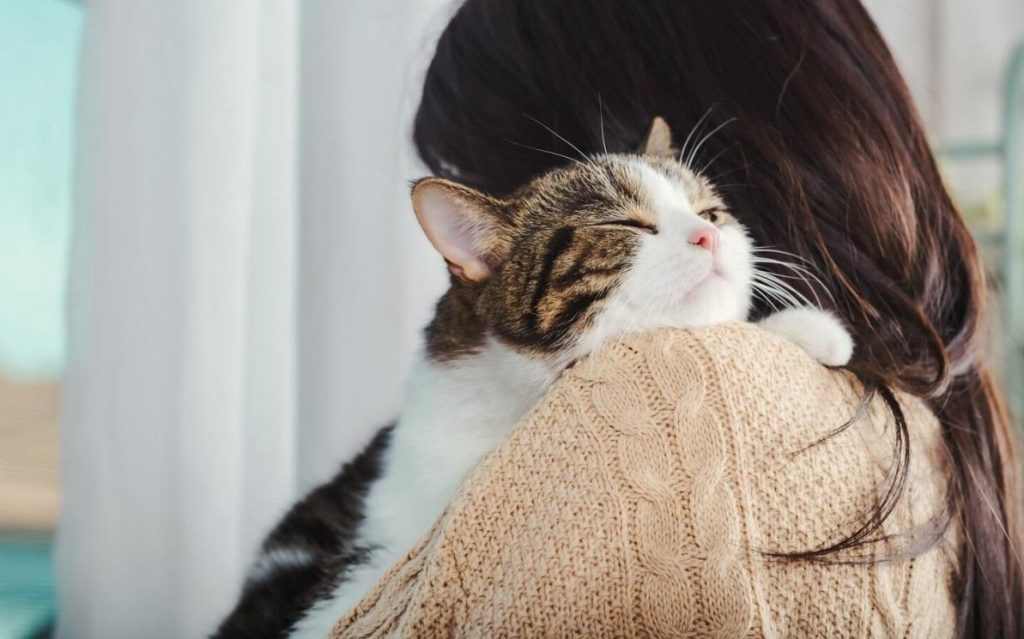
The Benefits of Behavior Training for Cats and Their Owners
When it comes to strengthening the bond between cats and their owners, behavior training emerges as a crucial tool that can completely transform interactions. Providing insights into a cat’s psyche and behavior, training can clarify misunderstood signals and impart essential techniques to enhance the cat-owner relationship. In Nigeria, where the love for cats is ever-growing, understanding these benefits becomes invaluable for cat lovers wanting deeper connections with their pets.
One of the primary advantages of behavior training is that it enables owners to identify and respond to their cat’s unique personality traits. Each feline has distinct characteristics and preferences, which can often lead to discrepancies in behavior. For instance, while some cats may relish playful wrestling sessions, others might find such interactions overwhelming. By applying training principles, owners can gauge their pet’s comfort levels and adjust their approach accordingly, thereby preventing stress and misunderstandings.
Additionally, behavior training fosters collaboration between owners and their cats. Through various techniques, including positive reinforcement, command training, and play sessions, owners develop ways to work constructively with their felines. This teamwork enhances mutual respect and trust. For example, teaching a cat to respond to a command like “sit” during playtime not only elevates the interaction but also reinforces a structured learning process that is both fun and rewarding for the cat.
Common Behavioral Concerns Addressed through Training
Behavior training effectively addresses several common issues that can strain the cat-owner relationship. Here are some prevalent concerns that many owners experience:
- Excessive vocalization: Cats often vocalize for different reasons, be it seeking attention, anxiety, or hunger. Training helps owners identify the root cause and respond appropriately.
- Uneven play aggression: Kittens, in particular, might play too roughly, leading to scratches and bites. Training teaches them boundaries while enjoying interactive play without aggression.
- Litter box aversion: A cat refusing to use its litter box can be a frustrating issue. Behavior training can guide owners in identifying stressors or preferences that deter cats from using their litter box.
By addressing these behavioral concerns, owners not only cultivate a peaceful environment but also ensure that their feline friends are psychologically happy and physically healthy. This aspect of training encourages cats to express themselves in acceptable ways, significantly strengthening the bond between cats and their owners. Furthermore, as skills are honed, the joy of successful communication becomes a shared experience, enriching the lives of both parties.
Understanding the reasons behind specific behaviors, facilitated by professional training, can help mold a fulfilling life for both cats and their owners. Delving into the methodologies and philosophies of behavior training not only equips pet owners with the tools needed to foster positive actions but also offers a greater sense of connection with their cherished feline companions.
| Advantages | Description |
|---|---|
| Improved Communication | With behavior training, owners learn to interpret their cat’s signals better, fostering a deeper understanding between pet and owner. |
| Reduced Behavioral Problems | Training addresses issues like aggression or litter box refusal, leading to a calmer household dynamic. |
| Strengthened Bond | Engaging in training activities creates shared experiences that help forge a stronger emotional connection. |
| Enhanced Safety | Training can teach critical commands that lead to safer environments for both the cat and the owner. |
Behavior training not only equips cat owners with practical skills but also fosters a sense of partnership between them and their feline friends. Engaging in this training process introduces a structured approach to handling various situations, paving the way for a harmonious coexistence. As learners embrace these techniques, they find that minor adjustments can lead to significant improvements in both the cat’s behavior and the owner’s experience. Incorporating elements such as clicker training can further refine communication methods, effectively bridging gaps in understanding and enhancing the relationship. Thus, the transformative power of behavior training goes beyond mere obedience; it nurtures a profound empathy and respect, enriching the lives of both owner and cat.
Enhancing Communication through Behavior Training
A fundamental aspect of the cat-owner relationship is the ability to communicate effectively. Behavior training serves as a bridge, facilitating understanding between owners and their beloved felines. By learning to interpret their cat’s body language, sounds, and behaviors, owners can better meet their pets’ emotional and physical needs.
Cats use a multitude of signals to express their feelings. For instance, a flicking tail might indicate agitation or excitement, while a slow blink could signify trust and affection. Owners often misinterpret these cues, leading to frustration or confusion. Engaging in behavior training allows owners to discern the meanings behind these signals clearly, promoting a peaceful coexistence. For example, when a cat that previously hissed or swatted in response to human interaction starts to exhibit playful behaviors instead, it indicates that the owner has succeeded in reading and responding to their pet correctly.
Building Confidence in Felines
Another compelling benefit of behavior training is its role in enhancing a cat’s confidence. Cats that undergo proper training can feel more secure in their environments, knowing their owners understand their needs. This is particularly significant for rescue cats, who may come with insecurities and trauma. Training techniques, likened to structured games or positive engagement, can help these cats flourish by building trust.
For example, in Nigerian households where a cat might have faced an unstable environment before adoption, simple training exercises—such as clicker training—lay the foundation for building confidence. Each time a cat receives a reward for positive behavior, it reinforces the idea that they are in a safe and loving space, prompting them to engage more openly with their owners. This bond not only strengthens the relationship but also contributes to the cat’s mental well-being.
The Role of Environmental Enrichment
Beyond communication and confidence, behavior training encourages environmental enrichment. Cats, especially those housed in urban environments, often experience boredom and frustration. Training sessions can be amalgamated with interactive play, heightening stimulation and providing essential exercise. Simple tools like puzzle feeders or engaging toys can promote cognitive skills while mitigating behavioral issues that arise from boredom.
In cities like Lagos, where many people keep cats in apartments, integrating training into a daily routine fosters a more active and satisfying lifestyle for cats. Challenges such as climbing, solving puzzles, or learning commands can be framed as fun activities that not only engage the cat’s mind but also strengthen the owner’s role as both a provider and a playmate.
Nurturing Healthier Relationships
Ultimately, establishing a training regimen instills a sense of routine, which is crucial for cats, known for their fondness for predictability. When owners are consistent with training practices, they cultivate a sense of security for their pets. This structured approach nurtures an environment where both cats and owners thrive together, embracing each day with shared experiences and mutual understanding.
Behavior training does not only serve as a means to address unwanted behavior; it proactively enriches the lives of cats and their owners alike. By participating in this process, owners embark on a rewarding journey filled with emotional fulfillment as they unlock the many layers of their feline companions, resulting in an enduring bond that transcends simple companionship. With patience, dedication, and the right knowledge, behavior training can genuinely keep the cat-owner connection alive and thriving for years to come.
Conclusion
In conclusion, behavior training stands as a transformative approach that can profoundly enhance the relationship between owners and their cats. By fostering effective communication, building confidence, and promoting environmental enrichment, this training not only addresses behavioral concerns but also enriches the emotional landscape of the cat-owner bond. Understanding the nuances of feline behavior empowers owners to respond compassionately to their pets’ needs, paving the way for a harmonious coexistence.
The journey of behavior training facilitates a deeper understanding of a cat’s intricate social cues and expressions. As owners grow more attuned to their pets, they create an atmosphere of trust and security, which is crucial, especially for cats that have experienced trauma or instability. In the bustling urban settings of Nigeria, where many cats live in confined spaces, incorporating engaging training sessions can turn mundane moments into opportunities for mental stimulation and physical play, paving the way for a happier and healthier feline companion.
Ultimately, the essence of behavior training lies in its potential to cultivate a nurturing environment where both cats and their owners flourish. As this connection deepens and evolves, the practical applications of behavior training will encourage further exploration into advanced techniques and creative interactions. As you embark on this rewarding path, remember that the bond shared with your cat is a journey—one filled with learning, laughter, and love that will undoubtedly last for years to come.