How to Create a Safe Environment for Your Pet at Home
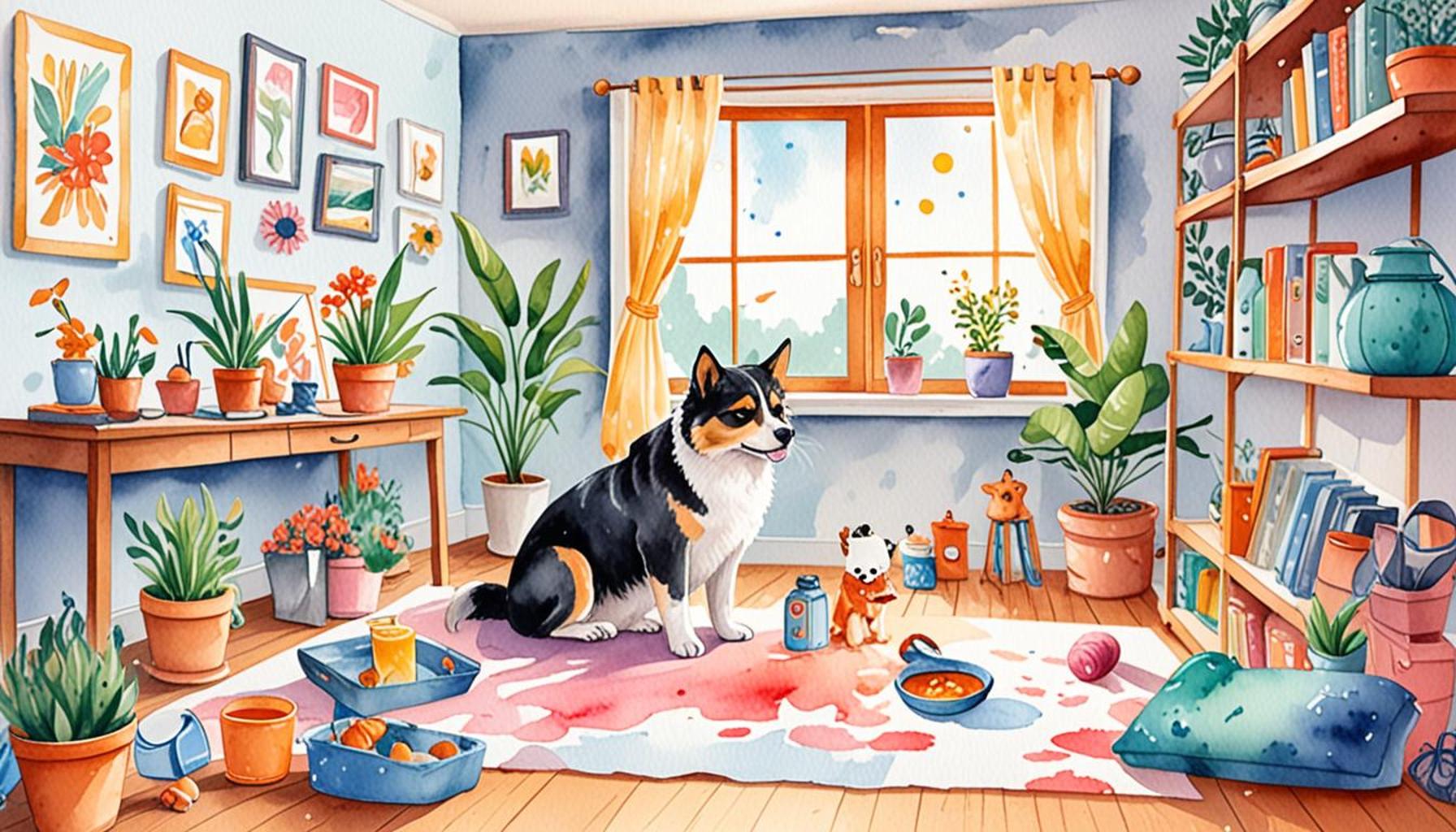
Creating a Safe Haven for Pets
Every pet owner dreams of a harmonious home where their furry, scaly, or feathered friends can thrive safely. Creating such an environment is crucial, as it not only protects your pet but also enhances their happiness and well-being. Understanding the safety needs of your pet is the first step towards achieving this goal.
In Nigeria, where many households cherish their pets, ensuring their safety can be a bit challenging. The tropical climate and unique urban settings can pose various risks that pet owners must navigate. Below are some essential factors to consider for creating a pet-friendly environment:
- Toxic plants: In many Nigerian homes, you will find plants like the oleander, which is highly toxic to both dogs and cats if ingested. It’s essential to research common household plants and remove those that could harm your pets. A safer alternative is to opt for non-toxic varieties such as spider plants or bamboo.
- Available space: Creating a dedicated area where pets can play without hazards is vital. In cities like Lagos, where space is limited, consider multi-functional furniture or utilizing vertical spaces to ensure your pets have room to move and explore. A well-defined pet area can prevent destructive behavior stemming from boredom or anxiety.
- Pet-proofing: Ensure all electrical cords, chemicals, and small objects are out of reach. In Nigeria, young children and curious pets alike can become entangled in cords or ingest harmful items. Take preventative measures by using cord covers or relocating electronics to areas inaccessible to pets.
It’s not just about immediate safety; a well-designed space can prevent long-term behavioral problems as well. For example, dogs deprived of mental stimulation can turn to chewing furniture or digging. A simple DIY puzzle feeder can keep your pet engaged and mentally stimulated.
Investing time and effort into your pet’s environment will pay off with a happier companion. Regular exercise, socialization, and a safe living space contribute significantly to their overall well-being. Furthermore, maintaining a harmonious environment can lead to fewer accidents and a more peaceful household.
The upcoming sections will guide you through practical steps to create a safe haven for your beloved pets within your home. You will discover practical tips that resonate with your local context, enabling you to transform your space into a pet-friendly paradise!
Understanding Your Pet’s Needs
Creating a safe environment for your pet starts with understanding their specific needs and characteristics. Each type of pet—whether a dog, cat, bird, or reptile—has distinct requirements that must be met for them to thrive in your home. Assessing the unique traits of your pet can guide you in making informed decisions about your living space, leading to a happier and healthier companion.
For instance, dogs, especially energetic breeds common in Nigeria, require ample space to run and play. Creating a designated play area can help channel their energy constructively, reducing the likelihood of destructive behaviors. On the other hand, cats may appreciate vertical spaces such as shelves or cat trees where they can observe their surroundings safely while engaging in natural climbing instincts.
Choosing the Right Fencing and Barriers
Security is another vital aspect to consider in making your home pet-friendly. Proper fencing and barriers can prevent your pets from wandering off or getting into potential dangers, such as roads or aggressive animals. Invest in durable and secure fencing materials that can withstand your pet’s attempts to escape. Also, consider adding gates to areas of your home where you want to limit your pet’s access, such as kitchens or laundry rooms where hazards may be present.
Ensuring Safe Outdoor Spaces
Outdoor safety is equally crucial, especially in urban settings like Lagos, where roads can be busy and unpredictable. When allowing your pet outside, closely supervise them, especially in unfenced areas. Creating a safe outdoor play zone may involve planting safe and non-toxic grasses for them to roam on, along with setting up shaded areas for rest. Make sure to keep an eye out for any local wildlife, as encounters with snakes or stray dogs can pose threats to your pet’s safety.
Health and Wellness Considerations
Within your home, health risks can also come from improper hygiene and management. Consider these essential points:
- Regular cleaning: Maintain a clean space by regularly washing your pet’s bedding, toys, and dishes to prevent pests and disease.
- Routine vet visits: Schedule regular check-ups with a veterinarian to ensure your pet stays healthy, vaccinated, and free from common ailments.
- Proper nutrition: Research and provide balanced diets suitable for your pet’s species, age, and activity level to support their health.
Ultimately, investing time in understanding your pet’s needs lays the foundation for a safe haven. By considering their personality, physical attributes, and specific requirements, you can tailor your home environment to keep them safe and happy. In the following sections, we will explore practical tips and techniques on how to implement these ideas into your daily life, making your home a true sanctuary for your pets.
| Safety Measures | Details |
|---|---|
| Secure Electrical Outlets | Cover outlets with safety plugs to prevent pets from chewing on cords, reducing the risk of shock. |
| Use Non-Toxic Cleaners | Household cleaners can be harmful; opt for pet-safe alternatives to ensure their safety. |
| Limit Access to Hazardous Areas | Use gates or doors to restrict pets from entering rooms with potential dangers, such as basements or garages. |
| Create a Designated Pet Space | Ensure pets have a comfy, safe area with their belongings to feel secure and rested. |
Creating a safe environment for your pet at home is essential for their well-being and happiness. By implementing these safety measures, pet owners can significantly reduce potential accidents. For instance, limiting access to hazardous areas may involve simple interventions like installing pet gates. Meanwhile, the choice of non-toxic cleaners is not only beneficial for your pet’s health but also for the environment. Additionally, providing a designated pet space can help alleviate any anxiety pets may experience in a bustling home. Understanding the pivotal aspects of pet safety creates a nurturing atmosphere that allows your furry friends to thrive.
Creating a Comfortable Living Space
Once you have a grasp of your pet’s needs, it’s time to design a comfortable living space that fosters their health and happiness. The environment can significantly affect a pet’s emotional well-being, so attention to detail in their surroundings is essential. This entails considering factors such as lighting, temperature, and personal space.
Optimizing Indoor Environment
Indoor conditions play a pivotal role in your pet’s quality of life. Ensure that their sleeping and play areas are well-ventilated and free from extreme temperatures. Temperature regulation is key—provide cooling mats or fans during hot months and warm bedding or thermal blankets in the cool season. Also, be mindful of air quality. Pets often have sensitive respiratory systems; using air purifiers can effectively remove allergens and improve air purity. In regions with high humidity, like coastal cities in Nigeria, consider running dehumidifiers to keep your pet comfortable.
Designating Personal Spaces
Pets thrive in spaces that are uniquely theirs. Designating a personal space can make them feel secure and less anxious. For dogs, a cozy corner with their bed and favorite toys can provide a retreat from household hustle and bustle. Cats require a different approach; they often enjoy cozy, enclosed spaces where they can hide and observe. Consider using cat caves or designated high spots—like cat trees or shelves—where they can feel sheltered and safe. This can help nurture their instincts and soothe their nerves.
Managing Toxic Items and Situations
Your home is filled with potential dangers that could harm your pets if not properly managed. Cleaning products, medications, and certain plants can be toxic and should be kept out of reach. Familiarize yourself with common poisonous plants in Nigeria, such as the oleander and the sago palm, and ensure they are either removed or unavailable to your curious companions. Store all chemicals, electrical cords, and sharp objects securely, perhaps in cabinets with childproof locks.
Pet-Proofing Strategies
Pet-proofing your home is an essential step towards a safe environment. This involves not only removing hazards but also implementing structural changes. For example, consider using non-slip mats on smooth floors to prevent accidents, especially for older pets or those with mobility issues. Clutter can also be dangerous; keeping floors clear from toys, shoes, or bags will minimize tripping hazards and allow your pet to navigate freely.
Interactive and Engaging Stimuli
Finally, enriching your pet’s environment can significantly enhance their well-being. Regular stimulation through interactive toys, puzzle feeders, or scheduled playtime keeps their minds active and reduces boredom-related behaviors. Dogs, in particular, benefit from agility courses, while cats enjoy toys that mimic hunting activities. Explore various options that resonate with your pet’s playful instincts, and don’t hesitate to rotate toys to maintain their interest.
Taking these steps in creating a comfortable living atmosphere for your pet not only helps ensure their safety but also enriches their daily lives. Every small adjustment contributes to a more ‘pet-friendly’ home, ultimately creating a happy space where both you and your pets can flourish together.
Conclusion: Ensuring a Safe Haven for Your Pet
Creating a safe environment for your pet at home is not just a matter of convenience; it’s about providing a nurturing haven where they can thrive. By understanding your pet’s unique needs and adapting your living space to cater to these requirements, you contribute to their overall health, safety, and happiness. From maintaining optimal indoor conditions to designing personal spaces that encourage security, every thoughtful detail makes a difference.
Being vigilant about toxic items in your household, implementing effective pet-proofing strategies, and incorporating interactive stimuli can significantly enhance your pet’s quality of life. As showcased previously, even minor adjustments—such as utilizing air purifiers or setting aside safe zones—can foster an environment where your pets feel relaxed and secure.
Moreover, it’s vital to continually educate yourself on potential hazards specific to your location, like the toxic plants common in Nigeria, to prevent any health risks. Engaging with local veterinarians or pet care communities can provide invaluable insights tailored to the lifestyles of pet owners in your region.
Ultimately, your home should be a joyful refuge for you and your furry companions. By prioritizing safety and comfort, you not only enhance your pet’s daily experiences but also strengthen the bond you share. As you implement these actionable steps, remember that a safe environment is the foundation of a happy and fulfilling life for your beloved pets.