How to Deal with Separation Anxiety in Pets
The Challenges of Pet Separation Anxiety
Separation anxiety is a pressing concern for many pet owners, impacting not only the emotional state of their furry companions but also the harmony within the home. This condition is most commonly seen in dogs and cats, who exhibit great distress whenever they find themselves alone. As pet ownership grows in Nigeria, more individuals are becoming aware of the warning signs and seeking out solutions to help alleviate their pets’ anxiety.
Identifying the Signs of Distress
Recognizing the symptoms of separation anxiety is essential for any pet owner. Here are some typical behaviors to watch for:
- Barking or howling excessively: If your pet starts making a fuss every time you leave, it might be signaling its discomfort with solitude.
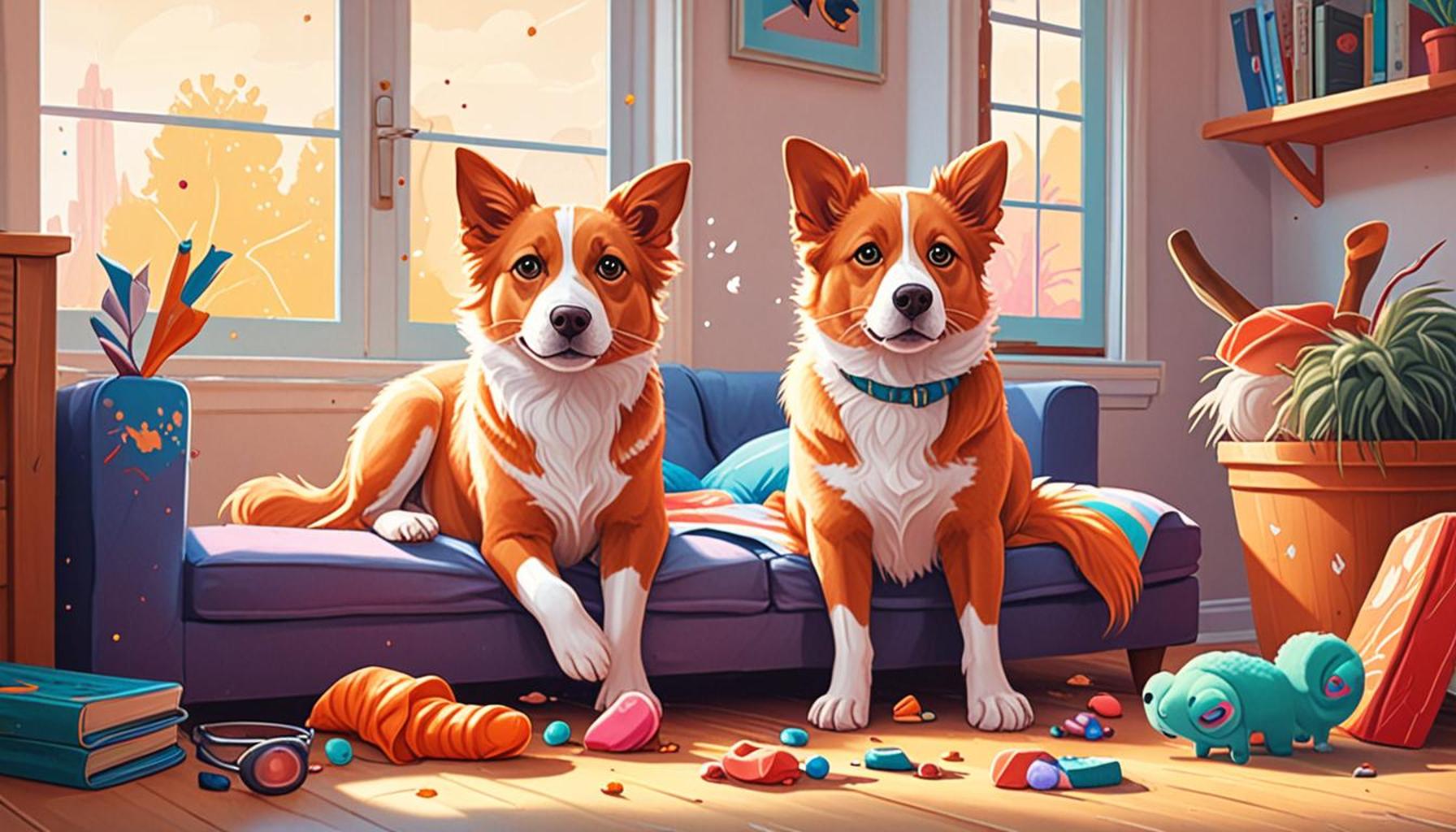
- Destructive behavior: Many pets resort to chewing on furniture or scratching walls and doors, a clear sign of their distress when left alone.
- Inappropriate elimination: Accidents inside the house, despite being house-trained, can indicate that your pet is overwhelmed with anxiety.
In Nigeria, where households may have limited space and multiple pets, these behaviors can escalate quickly. The challenge is not just the destructive actions but also how they disrupt the overall family dynamics. Understanding that this reaction is not merely a behavioral issue but a poignant emotional response is crucial in approaching the problem.
Effective Strategies to Alleviate Anxiety
Fortunately, there are numerous strategies pet owners can implement to help manage their pets’ separation anxiety. Here are some practical approaches:
- Create a positive association: Before leaving, offer your pet a special treat or toy that they only receive during alone time, fostering a sense of excitement about your departure.
- Gradual desensitization: Start with short periods of absence, gradually increasing the time you leave your pet alone. This approach helps them get accustomed to the idea of being alone without becoming overwhelmed.
- Environment enrichment: Keep your pet mentally stimulated with toys, puzzles, or even safe areas where they can feel comfortable while you’re out.
Dealing with separation anxiety is a journey that requires patience and understanding. By focusing on your pet’s emotional needs and adopting effective techniques, you can foster a sense of security for them when left alone. As you explore this topic further, remember that a well-adjusted pet not only leads to a happier home but also contributes to the overall bond shared between human and animal. Want to know more? Speak to local veterinarians or pet trainers who can provide tailored advice specific to your pet’s needs, especially in the vibrant and diverse communities across Nigeria.
Understanding the Root Causes
To effectively tackle separation anxiety in pets, it is crucial to delve deeper into the complex emotions and reactions exhibited by these animals. Pets, especially dogs and cats, are inherently social creatures that thrive on interaction and companionship. In Nigeria, where many households consider their pets as beloved family members, the bond between humans and pets can lead to heightened emotional responses when separation occurs. This sense of abandonment can result in distressing behaviors such as excessive barking, destructive chewing, or inappropriate elimination.
The Importance of Early Intervention
Addressing separation anxiety early on is vital to prevent the escalation of these issues. If left unchecked, the anxiety can become more severe, potentially leading to deeper behavioral problems, such as aggression or self-harm. For instance, a dog that only exhibited mild barking when its owner left might escalate to destructive chewing or digging. Recognizing the signs of separation anxiety and implementing a preemptive approach can greatly alleviate the distress for both pets and their owners. Gradually desensitizing pets to short periods of alone time can help foster their autonomy and create a calmer, more confident animal.
Factors Contributing to Separation Anxiety
Several factors can play a role in the development of separation anxiety in pets, and understanding these can lead to more effective solutions:
- Changes in routine: Pets are creatures of habit, and significant changes like moving to a new house, or the introduction of new family members can disrupt their sense of security. Regular routines in feeding, playtime, and outings can provide a stabilizing influence, reducing anxiety levels.
- Trauma: Events such as abandonment, being rehomed, or experiencing neglect can leave lasting emotional scars on pets. Animals with a traumatic background may exhibit pronounced anxiety when left alone, particularly if they perceive the absence of their owners as a threat to their security.
- Insufficient socialization: Lack of exposure during a pet’s formative months can hinder their ability to cope with solitude. Early and varied interaction with different environments, people, and even other animals equips pets with essential coping mechanisms and fosters a sense of independence.
In Nigeria, many enthusiastic pet owners may unknowingly nurture their pets’ anxiety by indulging their every whim, resulting in an overreliance on their presence. This behavior can foster dependency, making it imperative to implement structured training and gradually introduce pets to solitude. Techniques like crate training or providing a special toy or blanket can create a safe space for pets during owners’ absences.
Incorporating Training Techniques
Training functions as a cornerstone in managing pets’ anxiety. Teaching commands such as “stay” or “wait” not only strengthens the bond between pet and owner but empowers pets by teaching them to be comfortable with separation. Regular training sessions can be an enriching experience that stimulates their minds and reinforces good behaviors, ultimately providing a sense of security.
It’s essential to understand that overcoming separation anxiety is not an overnight process. Consistency and dedication are key; progress can be made through a thoughtful approach that encourages pets to embrace their independence gradually. This journey not only fosters a calmer pet but also enhances the overall relationship between pets and their owners, transforming the home environment into a more relaxed space for everyone. As we continue exploring effective strategies, it is important for pet owners in Nigeria to connect with local resources and communities that provide tailored guidance to ensure a smoother transition for their beloved companions.
How to Address Separation Anxiety in Pets
Separation anxiety in pets can be a heart-wrenching issue for both the pet and the owner. Understanding how to mitigate these feelings is crucial for ensuring the well-being of our furry companions. Here are practical methods to address this challenge.
Gradual Desensitization
One effective way to help pets cope with separation anxiety is through gradual desensitization. This technique involves slowly acclimating your pet to being alone. Start with short departures and gradually increase the time you spend away. This method allows your pet to understand that you will always return, easing their anxiety.
Positive Reinforcement
Utilizing positive reinforcement strategies can significantly aid in alleviating anxiety. Reward your pet with treats or praise when they stay calm during your departures. This approach reinforces the notion that being alone is a positive experience, helping to build their confidence.Moreover, consider using calming aids such as anxiety wraps, pheromone diffusers, or calming treats specifically designed for pets. These can provide additional comfort during times of distress.
Enrichment Activities
Providing mental stimulation can distract pets from their anxiety. Engaging them with puzzle toys, interactive games, or training exercises can keep their minds occupied and reduce feelings of loneliness. Incorporating regular playtime into their routine will also foster an emotionally healthy environment.
Professional Help
In some cases, the assistance of a professional trainer or veterinarian may be necessary. They can offer tailored behavior modification plans or medications that can help manage severe cases of separation anxiety. Consulting a professional ensures that you are employing the right strategies for your pet’s specific needs.
Understanding Your Pet
It’s essential to recognize that each pet is unique. Understanding your pet’s specific triggers and behaviors can significantly improve your approach to managing separation anxiety. Pay attention to their responses and adjust your techniques accordingly.In summary, tackling separation anxiety in pets requires a combination of techniques including gradual desensitization, positive reinforcement, and mental enrichment. By providing the right support, you can help your furry friend feel more secure and relaxed during times of solitude. For a deeper exploration of effective strategies, continue to research and discover what works best for your beloved pet.
Creating a Calming Environment
One of the most significant steps in managing separation anxiety in pets involves creating a calming environment that can soothe their nerves during times of solitude. Ambient conditions at home can impact a pet’s emotional well-being. In Nigeria, where households can be bustling with activity, ensuring that your pet has a quiet, comfortable space is essential. A soft bed in a low-traffic area of the home, away from loud noises and distractions, can offer them a sanctuary where they feel secure.
Utilizing Pheromones and Comfort Items
Another approach to reduce anxiety is the use of pheromone diffusers and comfort items. These products mimic the calming scents that mother pets naturally produce, helping to create a sense of reassurance. Many pet owners have reported positive results from utilizing these pheromones, which can be found in various forms such as collars, sprays, or plug-in diffusers. In addition, providing familiar items such as a favorite blanket, toy, or an item with the owner’s scent can create a soothing presence.
Engaging Activities to Prevent Boredom
Keeping your pet mentally stimulated can also aid in reducing anxiety. Engaging activities, such as interactive toys or puzzle feeders, serve dual purposes: they provide physical exercise and can distract pets from their worry about being alone. In Nigeria, pet owners can explore local pet supply stores to find vibrant toys that challenge their animals and help optimize playtime. Regular exercise, such as daily walks or play sessions, not only helps keep pets fit but also releases pent-up energy that can exacerbate anxiety when they are left alone.
Consulting with Professionals
Don’t hesitate to reach out to veterinarians or certified animal behaviorists for additional support. They can offer personalized advice tailored to your specific pet and may recommend behavioral therapies or medication if necessary. Many professionals emphasize the importance of a well-rounded approach that includes both behavioral modification and the consideration of veterinary health factors. In Nigeria, numerous organizations and veterinary clinics offer resources for pet owners seeking support in dealing with separation anxiety.
Promoting Gradual Departures
When it comes time to leave, practicing gradual departures can help ease anxiety. Start by desensitizing your pet to the departure cues by mimicking your routine without actually leaving. For example, put on your shoes or grab your keys but remain at home for a little while longer. This can help de-link these actions from the anxiety of impending separation. Over time, as you build your pet’s confidence through these trials, they may become less distressed when the actual departure occurs, knowing you’ll return.
Incorporating these strategies can pave the way for a smoother transition for both pets and their owners. As every pet is unique, the journey to managing separation anxiety may require some experimentation to determine which combination of techniques yields the best results. Stay attuned to your pet’s individual needs and responses, and remember that this endeavor is beneficial not only for their emotional health but also for strengthening the human-animal bond.
Conclusion
Dealing with separation anxiety in pets is a journey that requires patience, understanding, and proactive strategies. The strategies outlined in this article, such as creating a calming environment, utilizing pheromone products, engaging in stimulating activities, consulting professionals, and promoting gradual departures, are essential tools in curbing anxiety. Each pet is unique, and their response to these methods may vary, highlighting the importance of tailored approaches that suit their individual personalities and needs.
In a dynamic environment like Nigeria, where daily life can often lead to irregular schedules, it is crucial for pet owners to remain observant and adaptable. Consider integrating local pet resources, like behavioral workshops or pet community groups, that can provide support and foster connections with other pet owners facing similar challenges. By enhancing both mental and physical stimulation for your pet, you not only alleviate anxiety but also promote a richer, more fulfilling relationship with them.
Lastly, don’t underestimate the power of love and reassurance. Regularly spending quality time together can greatly boost your pet’s confidence and trust, helping to ease their apprehension about separation. As you embark on this journey of addressing separation anxiety, remember that your efforts will not only enhance your pet’s emotional well-being but will also strengthen the bond you share, creating a happier home for everyone involved.