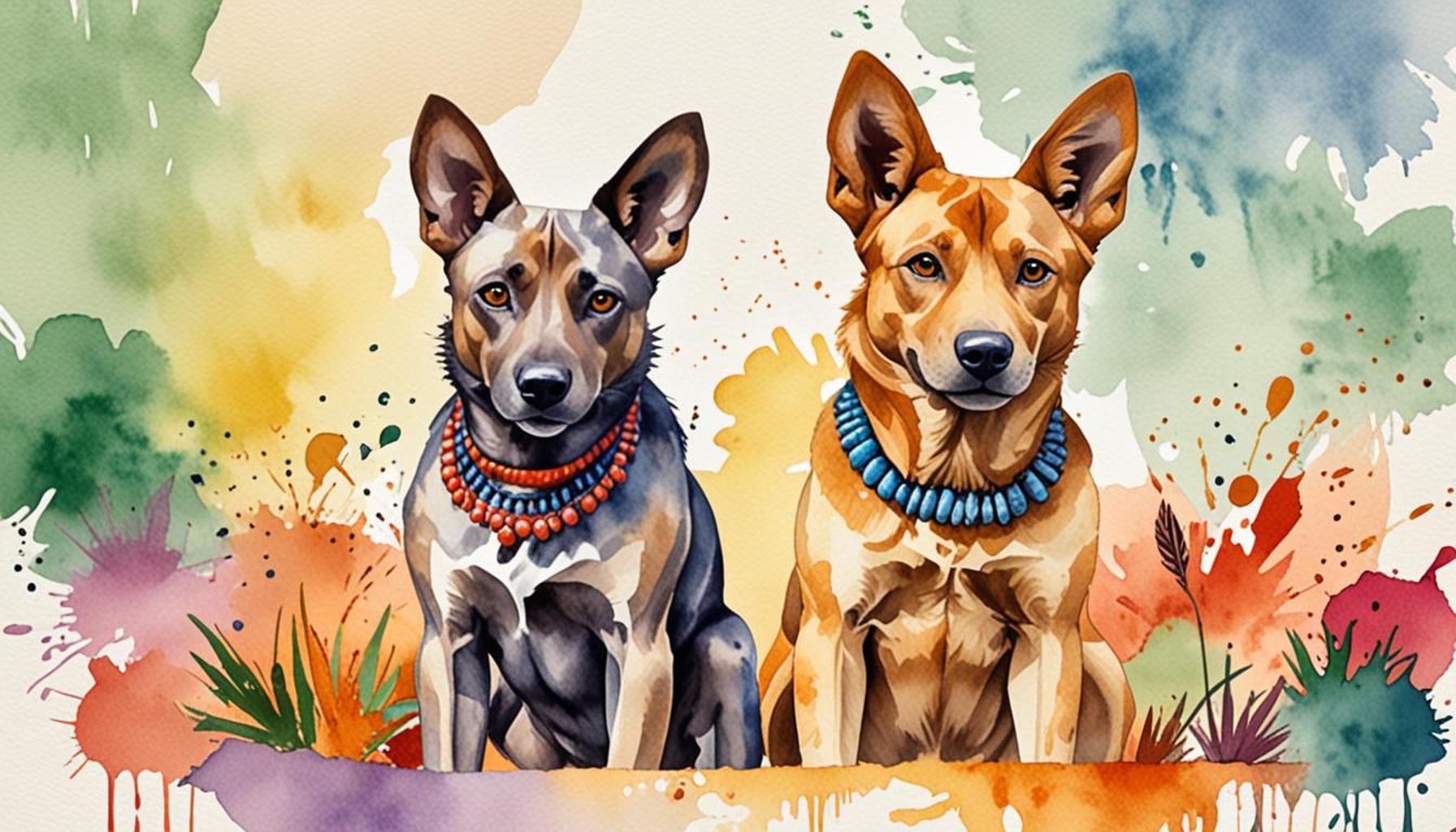
Large Dog Breeds: Benefits and Challenges for Families in Nigeria

Large dog breeds have solidified their status as cherished companions among families in Nigeria, often heralded for their impressive stature and loyal demeanor. These majestic animals not only fulfill roles of companionship but also engender a sense of security, making them a popular choice for many households. Nonetheless, potential owners must navigate both the benefits and challenges that come with owning a large dog.
Benefits of Large Dog Breeds
- Protection: Large breeds such as the German Shepherd and Rottweiler possess innate guarding instincts. In many neighborhoods in Nigeria, these dogs serve as vigilant protectors, often alerting families to any unusual activities or threats, thus providing peace of mind.
- Affection: Dogs like the Golden Retriever are not just protective but are also renowned for their affectionate nature. These breeds thrive in family environments, offering endless love and companionship that makes children and adults alike feel cherished.
- Active Lifestyle: Large dogs inherently encourage a more active family lifestyle. Breeds like the Labrador Retriever require plenty of exercise, motivating families to engage in outdoor activities. Whether it’s walking in the park or playing fetch, these interactions promote physical health and foster family bonding.
Challenges Families Might Face
- Space Requirements: Owning a large dog comes with the necessity for adequate living space. In urban settings, where homes can be compact, fitting a large breed may pose a dilemma. Families must consider their living arrangements to ensure their furry companions have ample room to roam and play.
- Training Needs: Proper training is pivotal for large dogs due to their strength and size. An untrained large dog can easily overshadow smaller family members and create chaos at home. Investing time in professional training classes can be beneficial, equipping dogs with good manners and obedience essential for a harmonious family life.
- Food and Care Costs: The economic aspect of raising a large dog is significantly greater than that of smaller breeds. The amount of food required is higher, and regular vet visits for check-ups, vaccinations, and possible health issues can add up quickly, making it essential for prospective owners to be financially prepared.
As families in Nigeria contemplate introducing a large dog into their households, it is crucial to evaluate these dimensions thoroughly. Understanding the multifaceted nature of large dog ownership—including the joys and responsibilities—will pave the way for informed decisions, ensuring a fulfilling and joyful relationship between the dog and the family. Ultimately, these magnificent creatures can enrich lives, but awareness and dedication to their needs are key to a successful adoption.
The Dual Nature of Large Dogs: Rewarding Companions or Challenging Responsibilities?
For many families in Nigeria, the appeal of large dog breeds stems from their striking presence and remarkable loyalty. A strong bond can develop between large dogs and their families, often characterized by an overflowing sense of love and affection. However, potential dog owners must navigate the balance between the rewards and the possible hurdles associated with bringing a large breed into their home.
The Joys of Living with Large Dog Breeds
- Natural Guardians: Large breeds such as the Doberman Pinscher and Great Dane are well-known for their protective instincts. In Nigeria, where security can be a concern, these dogs are not just pets but a source of comfort and safety. Their imposing size often deters intruders, offering families an added layer of protection.
- Family Engagement: Many large dog breeds, including the Saint Bernard and Bernese Mountain Dog, are gentle giants that thrive in family environments. Their affectionate and playful nature encourages families to spend time together, whether through outdoor activities like long walks or games that foster both fun and exercise.
- Health Benefits: Owning a large dog can lead to better mental and physical health for family members. Regular walks and playtime contribute not just to the dog’s well-being but also promote activity and reduce stress levels in owners, ultimately enhancing the quality of life for everyone involved.
The Challenges of Caring for Large Dog Breeds
- Space Constraints: Large dogs need adequate space to thrive. In crowded urban areas of Nigeria, where many families live in flats or small homes, the challenge lies in providing enough room for these dogs to move freely without becoming destructive or stressed. Families should consider their living environment and how their dog will fit within it.
- Training and Socialization: While large dogs can be wonderful companions, their size and strength necessitate consistent training. Without proper training, a large breed can become overwhelming, especially for children or smaller family members. Engaging in obedience training not only ensures safety but also strengthens the bond between the dog and the family.
- Financial Commitment: A significant downside to owning a large dog is the cost associated with their care. Average monthly expenses for food, grooming, and veterinary services can be substantially higher than those for smaller breeds. Families should prepare for these potential expenditures to prevent financial strain.
The considerations surrounding large dog breeds are multifaceted, and understanding both the benefits and challenges is crucial. Families in Nigeria can enrich their lives through these remarkable dogs, but it requires a commitment to addressing the unique needs and challenges that come with larger breeds.
| Advantages | Details |
|---|---|
| Companionship | Large dog breeds provide exceptional companionship, promoting a sense of family and security within Nigerian households. |
| Protection | Their size and strength can act as a deterring factor against intruders, enhancing home security in urban settings. |
| Activity Partners | Large dogs often require regular exercise, making them ideal activity partners for families looking to maintain an active lifestyle. |
| Teaching Responsibility | Having a large dog can teach children valuable lessons in responsibility through feeding, grooming, and training. |
| Affection | Many large breeds are known for their loving and friendly nature, offering abundant affection to families and creating strong bonds. |
When considering adding a large dog breed to your family in Nigeria, it’s essential to weigh these advantages against the challenges, such as space requirements and proper training, ensuring the ideal match for your household.
Understanding the Requirements of Large Dog Breeds in Nigerian Families
While the allure of large dog breeds is undeniable, their care entails specific requirements and responsibilities that families in Nigeria need to understand comprehensively. Failing to adequately prepare for these needs can lead to challenges that may overshadow the joys of dog ownership. Here, we delve deeper into the essential aspects that influence successful cohabitation with large breeds.
Health Considerations for Large Dogs
- Dietary Needs: Large dogs typically have specific dietary requirements due to their size and metabolism. Families must ensure that they provide high-quality dog food that meets these needs. The cost of premium dog food can be significantly higher in Nigeria, where imported options might be necessary. Moreover, monitoring the dog’s weight becomes essential; obesity in large breeds can lead to serious health conditions like hip dysplasia and arthritis.
- Veterinary Care: Regular veterinary check-ups are crucial for large dog breeds. These visits often involve vaccinations, health screenings, and other preventive measures. In Nigeria, the availability of specialized veterinary care or qualified vets should be a key consideration, especially in rural areas where access may be limited. Finding a vet experienced with large breeds can greatly improve a dog’s health and well-being.
The Time Commitment
- Daily Exercise Needs: Large dogs require substantial daily exercise to remain healthy and content. Breeds like the Rottweiler or Labrador Retriever typically thrive on vigorous activities, which could include runs, long walks, or play sessions in an open space. Families must dedicate time each day, regardless of work schedules or other commitments, to adequately fulfill their dog’s exercise needs. Lack of physical activity can lead to behavioral issues such as excessive barking or destructive tendencies.
- Mental Stimulation: Apart from physical needs, mental stimulation is vital for large dogs. Interactive toys, puzzle feeders, and training sessions help keep their minds engaged. Nigerian families should incorporate activities that challenge their dogs mentally, such as obedience training or agility courses, enhancing both the dog’s well-being and the bond they share.
Social Interaction and Bonding
- Community Involvement: In many Nigerian neighborhoods, social interaction can greatly enhance a dog’s behavior and confidence. Families that participate in pet-related community events or local dog training classes help their dogs interact positively with others, making them better socialized. Such environments also allow families to connect with fellow dog enthusiasts, share experiences, and seek advice on best practices for caring for large breeds.
- Family Dynamics: Introducing a large dog breed into the family can alter family dynamics significantly. It is essential to prepare family members, especially children, for responsible interactions with their new pet. Educating children about proper handling and care of large breeds ensures safety and fosters a positive environment. Understanding a dog’s body language becomes crucial in preventing misunderstandings that may lead to accidents.
The commitment to raising a large dog breed in a Nigerian family is a multi-faceted endeavor. With the right knowledge and preparation, families can navigate the joys and challenges presented by these remarkable companions while enriching their lives in the process. Fostering an environment of understanding and responsibility is key to reaping the full benefits of owning a large dog.
Conclusion
In summary, embracing a large dog breed as part of a family in Nigeria can yield a multitude of benefits, from companionship and protection to promoting an active lifestyle. However, these advantages come hand in hand with significant responsibilities that require careful consideration. Families are encouraged to thoroughly educate themselves on the health requirements, exercise needs, and socialization practices pertinent to these majestic animals. The financial implications related to quality nutrition and veterinary care also warrant attention, especially in areas where access to specialized services may be limited.
Moreover, as families navigate the intricacies of integrating a large dog into their daily lives, they must be aware of the impact on family dynamics, especially concerning young children. Educating everyone on proper dog handling and encouraging supervised interactions can foster a harmonious relationship between pets and family members. Ultimately, active involvement in community activities and training can further enhance the overall experience of dog ownership.
As families consider the incorporation of large dog breeds into their homes, a balanced approach acknowledging both the challenges and the joys is crucial. The journey may be filled with trials, but the bond formed with these loyal companions will undoubtedly reap everlasting rewards and enrich family life in Nigeria. With an appreciation for the journey ahead, families can open their hearts and homes to the remarkable world of large dog breeds.