
Nutritional Supplements: When and How to Use Them to Improve Your Pet’s Diet
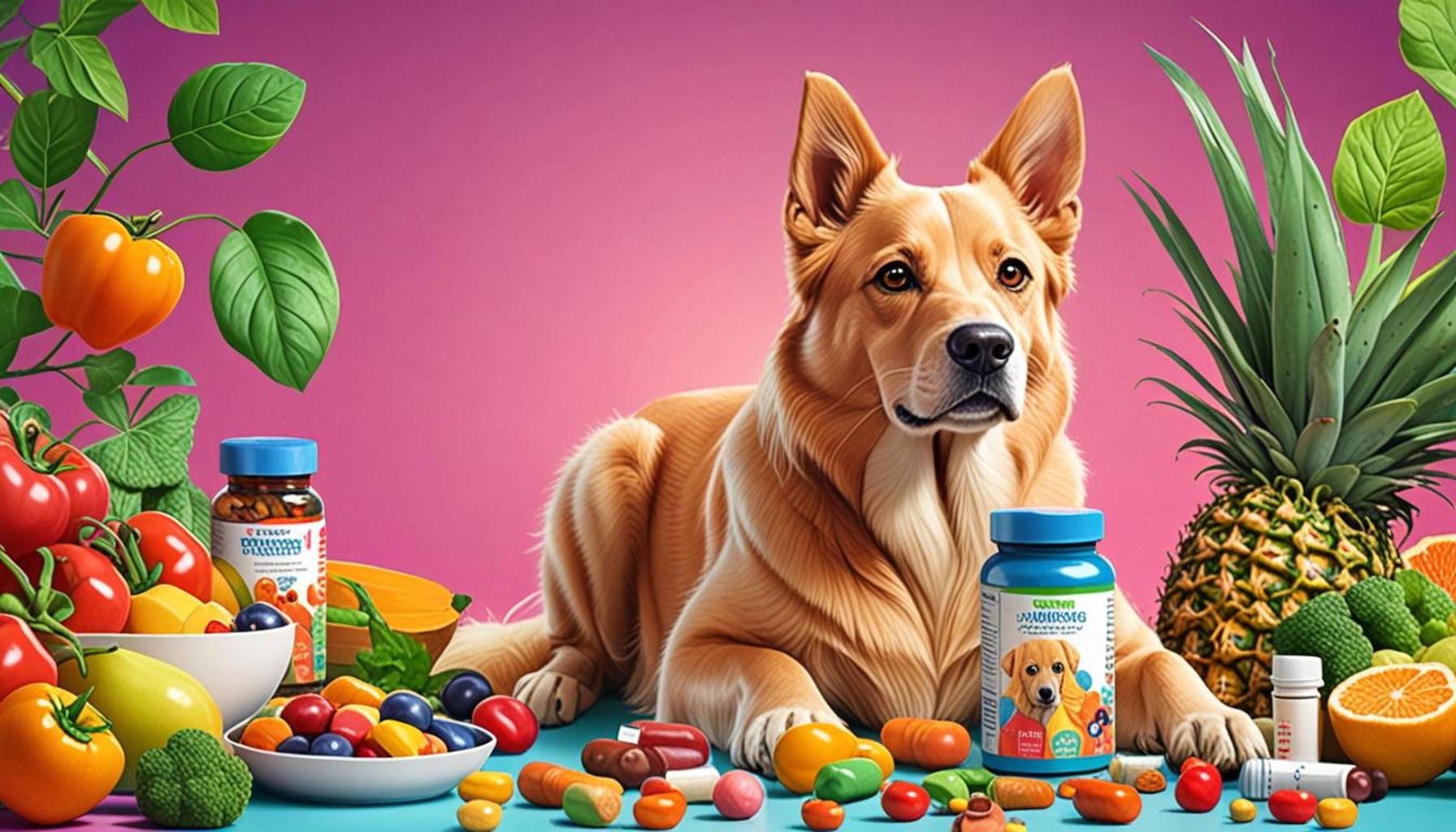
The Role of Nutritional Supplements in Pet Health
Navigating the world of nutritional supplements for pets can be challenging. Many pet owners are unaware of the significant role that these products can play in enhancing their furry friends’ health and well-being. With the rise of organic and specialized pet foods in Nigeria, understanding when and how to incorporate supplements into your pet’s diet is essential.
Types of Supplements
When exploring the various types of nutritional supplements available, pet owners will find a plethora of options designed to cater to specific health concerns. Among these, omega-3 fatty acids are celebrated for their anti-inflammatory properties and benefits for skin and coat health. Found in fish oil, these fatty acids can help alleviate dry skin, reduce shedding, and promote a shiny coat, which is especially beneficial for breeds prone to skin issues.
Probiotics are another notable category, aimed at improving digestive health. These beneficial bacteria can help balance gut flora, aiding pets that experience irregularities in digestion. For example, if your pet suffers from diarrhea or has an upset stomach, incorporating a quality probiotic may support smoother digestive functions.
Health Benefits
The health benefits of these supplements are not to be underestimated. For aging pets, joint supplements containing glucosamine and chondroitin can significantly improve mobility, helping them maintain an active lifestyle. As dogs and cats age, joint deterioration can lead to stiffness and discomfort; providing these supplements may contribute to improved movement and overall vitality.
Additionally, certain supplements designed to enhance immune health can bolster your pet’s defenses against illness. Ingredients like vitamins C and E, along with antioxidants, play a crucial role in promoting longevity and disease resistance. This is particularly important in regions where environmental factors may expose pets to various health risks.
Signs Your Pet May Need Supplements
Recognizing the signs that your pet may require supplemental support is crucial for their health. Common indicators include low energy levels, a dull or brittle coat, and frequent digestive upsets. If you notice your pet exhibiting these signs, it may indicate deficiencies in their current diet. Moreover, you should pay attention to their overall behavior; a lack of enthusiasm during play or walks can also suggest they may benefit from nutritional enhancements.
Consultation and Proper Use
Understanding how to properly use these aids is paramount. The timing and dosage of supplements can significantly influence their effectiveness. Because every pet is unique, it’s vital to consult with a veterinarian to tailor the best approach for your furry friend. This ensures that any supplements you choose will complement their diet and address their specific health needs.
As you dive into this realm, you’ll discover that nutritional supplementation is not merely an add-on; it’s a pivotal element in your pet’s journey toward optimal health. By staying informed and seeking guidance, you’re setting the stage for better well-being for your beloved companions. Join us as we explore the various options you have at your disposal!
Understanding Your Pet’s Nutritional Needs
To successfully incorporate nutritional supplements into your pet’s diet, it’s crucial to first understand their unique nutritional needs. Different pets require different nutrients depending on factors such as age, breed, activity level, and overall health. For instance, an active working dog might have different energy requirements compared to a sedentary indoor cat. Furthermore, certain breeds may be genetically predisposed to specific health issues, making them more likely to benefit from targeted supplementation.
As a pet owner in Nigeria, it’s essential to assess your pet’s health condition regularly. The heat and humidity characteristic of much of the country can have an impact on your pet’s well-being. Here are some key points to consider when evaluating your pet’s nutritional needs:
- Age: Puppies and kittens have different nutritional requirements compared to adult or senior pets. Growing animals need more protein and energy-rich diets for proper development.
- Activity Level: Active pets require more calories and may benefit from supplements that provide additional energy. Conversely, less active pets may need fewer calories and could benefit from supplements that help maintain a healthy weight.
- Breed Specifics: Some breeds are prone to certain health issues; for example, large breeds may require joint supplements to support their musculoskeletal health.
- Health Conditions: Always be aware of any existing health issues. Pets suffering from conditions like arthritis or allergies may greatly benefit from specific supplements designed to alleviate these concerns.
When to Consider Adding Supplements
The decision to introduce supplements into your pet’s diet should not be taken lightly. Understanding when to consider these dietary aids can often be the key to significant health improvements. Here are some scenarios where supplements might be beneficial:
- Dietary Gaps: If your pet is eating a commercially prepared pet food that lacks certain nutrients, supplements can fill those gaps. Always read pet food labels carefully.
- Behavioral Changes: Noticeable shifts in behavior, such as increased lethargy or decreased interest in activities, can signal nutritional inadequacies that supplementation might help address.
- Unexplained Weight Loss: If your pet is losing weight unexpectedly, it may be time to examine their diet and consult with a veterinarian about potential nutrients they might be lacking.
- Seasonal Changes: Many pets experience seasonal allergies during the rainy season. Supplements containing antihistamines or omega fatty acids may help alleviate discomfort during these times.
Overall, the incorporation of nutritional supplements goes beyond merely filling a dietary void; it embodies a proactive approach to your pet’s health. By being vigilant and responsive to their changing needs, you can ensure your pet remains healthy, happy, and vibrant throughout their lives. Always remember, the right supplement can make all the difference!
| Category of Supplements | Key Benefits |
|---|---|
| Vitamins and Minerals | Essential for overall health and metabolic processes. |
| Fatty Acids | Improve skin health and reduce inflammation. |
| Probiotics | Enhance digestion and strengthen the immune system. |
| Antioxidants | Protect cells from damage and support longevity. |
Aiming to provide your pet with a robust diet can significantly enhance their quality of life. Nutritional supplements encompass various categories, each with specific benefits tailored to pet health needs. Vitamins and minerals are crucial for metabolic functions and overall well-being. For pets with skin sensitivities or inflammatory conditions, fatty acids are often indispensable, promoting a shiny coat and decreasing itchiness.Moreover, probiotics serve to optimize digestive health, as they regulate gut flora and reinforce the immune system. This is particularly beneficial for pets experiencing gastrointestinal issues. Another category, antioxidants, plays a crucial role in combatting oxidative stress, thereby extending your pet’s lifespan. As we delve into when and how to introduce these supplements into your pet’s diet, it’s important to evaluate their individual health needs and consult with a veterinarian. Implementing the right nutritional supplements at the right time can be a game-changer for your beloved pet’s health and vitality.
Choosing the Right Supplements for Your Pet
Once you’ve determined that your pet could benefit from nutritional supplements, the next step is selecting the right products. With a multitude of options available on the market, pet owners must be cautious and informed. Here are some guidelines to help you navigate this complex landscape:
- Consult a Veterinarian: Before incorporating any supplements into your pet’s diet, it is crucial to consult with a qualified veterinarian. They can provide valuable insights tailored to your pet’s specific health needs and recommend supplements that are safe and effective.
- Quality over Quantity: Not all supplements are created equal. Opt for well-known brands that prioritize quality and transparency. Look for products that undergo third-party testing for purity and potency. This is particularly important in the Nigerian market, where multiple counterfeit or subpar products may be available.
- Ingredient Breakdown: Familiarize yourself with the ingredients in supplements. Good supplements should contain natural ingredients and avoid fillers or artificial additives. Check for nutrients like glucosamine for joint health or omega-3 fatty acids for skin and coat health.
- Form of Supplement: Nutritional supplements come in various forms, including powders, tablets, or liquids. Choose a form that’s easy for your pet to consume. For instance, liquid supplements may be easier for cats who can be picky eaters, while dogs might prefer chewable tablets.
How to Integrate Nutritional Supplements into Your Pet’s Diet
Introducing supplements into your pet’s diet requires a thoughtful approach. A sudden change can be unsettling for your pet’s digestive system, so consider the following methods for a smooth transition:
- Start Slow: When first offering supplements, start with small doses to allow your pet’s system to adjust. Gradually increase the dosage as recommended by your veterinarian. This method minimizes the risk of digestive upset.
- Mixing with Food: One of the easiest ways to administer supplements is to mix them into your pet’s regular food. For pets that are hesitant about swallowing pills, hiding them in their food might make ingestion easier. Make sure to monitor if they are eating their food normally.
- Reward System: Create a positive association with the supplement by using it as a reward. For example, if your pet enjoys treats, consider offering a couple of treats along with the supplement to enhance their willingness to take it.
- Consistency is Key: Regularity matters when it comes to supplements. Create a strict schedule for administering them, whether that means daily or multiple times a week. This will help establish a routine, ensuring your pet receives their needed nutrients consistently.
Monitoring Your Pet’s Response
After incorporating nutritional supplements into your pet’s diet, it’s essential to monitor their response closely. This process provides important feedback on their effectiveness:
- Observe Behavioral Changes: Keep an eye out for any changes in your pet’s energy levels, appetite, or overall behavior. If your pet seems more energetic or alert, it could indicate that the supplements are having a positive impact.
- Physical Changes: Look for physical improvements, such as shinier fur, reduced shedding, or better joint mobility. These are often solid indicators that the supplements are benefiting your pet’s health.
- Maintain Regular Vet Check-ups: Schedule regular check-ups with your veterinarian to evaluate the ongoing efficacy of the supplements. They may recommend adjustments based on your pet’s progress and health changes over time.
With these strategies in mind, pet owners in Nigeria can confidently navigate the realm of nutritional supplements, ensuring they choose the right options for their beloved animals. Understanding your pet’s unique needs and taking an informed approach will go a long way toward unlocking the potential benefits supplements can provide.
Conclusion
In conclusion, nutritional supplements can serve as a vital enhancement to your pet’s diet, providing essential support for their overall health and well-being. As a pet owner in Nigeria, it’s imperative to approach the integration of these supplements with caution and knowledge. By consulting a qualified veterinarian, you gain personalized insights that align with your pet’s unique needs, ensuring that you make educated choices about the products you select.
Remember, quality should always take precedence over quantity; saunter through the myriad of options available, focusing on reputable brands that deliver pure and potent ingredients. The journey doesn’t stop once you select a supplement; diligent monitoring of your pet’s behavior and physical changes is crucial in assessing the supplement’s efficacy. Consistent administration and thoughtful integration into their diet can pave the way for visible improvements, be it in energy levels or overall vitality.
As you explore the landscape of nutritional supplements, keep in mind the cultural context of pet care in Nigeria, where knowledge and transparency can significantly impact your options. By prioritizing your companion’s nutritional needs with the right supplements, you not only enhance their life quality but also foster a more profound bond with your beloved pet. This journey towards optimal health is collaborative—listen to your pet, trust expert guidance, and keep an open mind as you unveil the potential benefits that nutritional supplements have to offer.