
Pets and Digestive Health: How Pet Companionship Can Influence Owners’ Diets in Nigeria
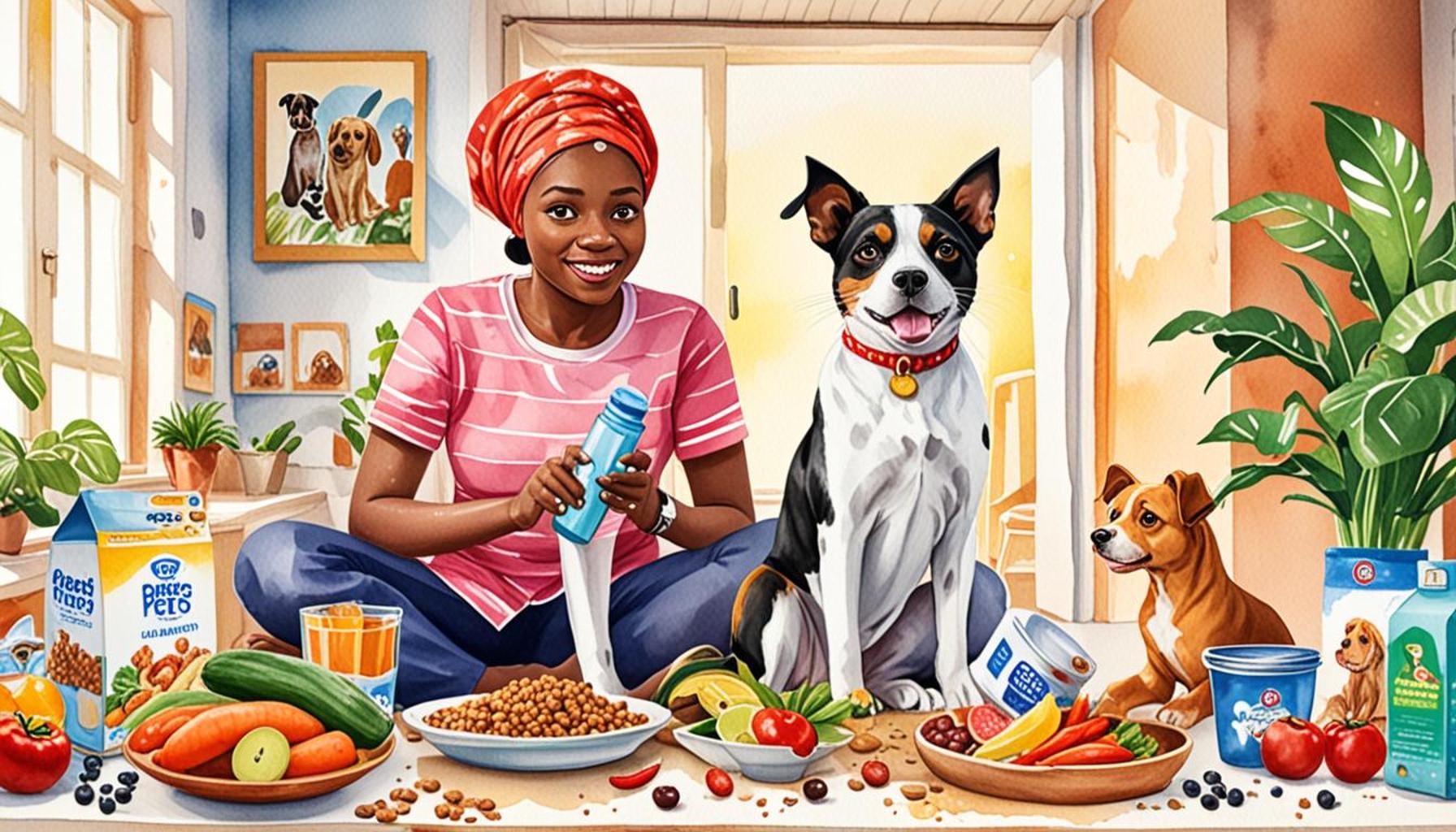
Health Benefits of Pet Ownership
The bond formed with pets often surpasses mere companionship, evolving into a relationship that nurtures both emotional and physical well-being. In Nigeria, where an increasing number of families are welcoming pets into their homes, the effects on digestive health are becoming an intriguing area of study. Notably, the presence of pets brings about significant lifestyle modifications that can contribute to improved health outcomes.
Opportunities for Activity
Pets, particularly dogs, naturally encourage physical activity. When pet owners take their dogs for walks through vibrant neighborhoods—perhaps around parks like Jubilee Park in Abuja or Lekki Conservation Centre in Lagos—they not only enhance their dogs’ lives but also their own. The consistent exercise from walking or engaging in active play, such as fetch or frisbee, helps maintain a healthy weight and promotes cardiovascular health. Daily physical activity positively influences gut health by optimizing digestive processes, which are essential for nutrient absorption.
Routine and Structure
Caring for pets fosters a predictable daily structure. In families where meal preparation signifies unity and sharing, having pets often instills routine—a comforting factor that establishes regular eating times. For instance, feeding a pet at the same times each day can lead to meal synchronization among family members, boosting the overall quality and timing of their diets. This structured approach can also serve as a reminder for pet owners to choose healthier food options, which can be reflected in dining choices that benefit both humans and their furry companions.
Increased Social Interaction
The camaraderie that pets engender often leads to enhanced social interactions. Pet owners frequently find themselves mingling with fellow pet lovers, sharing tips and advice on nutrition and general pet care, which can result in a collective awareness of healthier choices. Such interactions may lead to community activities, like pet-friendly markets or wellness events, where discussions surrounding meals and their nutritional value are prevalent. For example, community groups in cities like Port Harcourt organize meet-ups that encourage discussions on diet alternatives that are both pet- and human-friendly.
Moreover, the burgeoning culture of pet ownership in Nigeria—coupled with communal eating traditions—can instigate changes in dietary preferences. With shared meals often being a central theme in Nigerian culture, the emphasis naturally shifts towards more nutritious foods in the presence of pets. Research has indicated that positive bonds with pets can lead to healthier eating patterns, as owners may subconsciously prefer foods that align with their pet’s nutritional needs, leading to diet diversification.
This insight into the relationship between pets and dietary habits opens a niche avenue for further exploration. As pet ownership continues to rise in Nigeria, the implications for public health, community interactions, and lifestyle changes are significant. Overall, these furry companions do not just ask for love and care; they also inspire healthier living.
Transformative Dietary Choices Through Pet Interactions
The intertwining of pets and their owners in Nigeria goes beyond mere affection; it is intrinsically linked to lifestyle choices, particularly regarding dietary habits. As families open their hearts and homes to animals, they often reevaluate not only what they feed their pets but also what nourishes their own bodies. This symbiotic relationship can lead to significant improvements in dietary practices, with noteworthy implications for digestive health.
Healthy Eating Habits Inspired by Pet Diets
Pet owners frequently find themselves scrutinizing ingredient labels and food choices, primarily motivated by their pets’ nutritional needs. This heightened awareness can lead to the integration of wholesome foods into their own diets. For instance, a dog owner researching the benefits of high-protein dog food might concurrently discover the advantages of lean meats and grains for themselves. Initiatives to prepare homemade pet meals using fresh vegetables and healthy proteins can translate into similar habits in human nutrition.
Exploring the types of ingredients that are both healthy for pets and humans can inspire owners to diversify their meals. Consider some popular options that benefit both species:
- Sweet Potatoes: Rich in fiber and vitamins, they can be served as canine treats and delicious human side dishes.
- Carrots: A crunchy snack for dogs that also serves as a low-calorie option for owners looking to reduce unhealthy snacks.
- Lean Meat: Essential for dog health, it can promote muscle growth in humans while being an excellent source of protein.
- Green Beans: Low in calories and packed with nutrients, they can serve as a healthy side for families and an engaging snack for pets.
Cultural Influences on Dietary Patterns
In Nigeria, rich culinary traditions often influence dietary choices significantly. The adoption of pets within families adds a contemporary layer, blending modern pet care with age-old eating customs. As families gather around meals, pet presence encourages the incorporation of more diverse and nutritious dishes. Nigerian families may begin to prioritize the inclusion of vegetables, lean proteins, and whole grains in their meals, reflecting both their pet’s dietary requirements and cultural norms.
This shift can be further amplified by pet owners participating in communal activities centered around animal care. With an increasing number of pet-friendly events, such as food festivals or community health days, owners are often exposed to ideas about healthier eating through discussions with fellow pet lovers. Recipes and preparation methods that cater to both human and pet diets may spread quickly within these social circles, reinforcing a culture of health-conscious eating.
Ultimately, the close relationships between pets and their owners are redefining dietary norms in Nigeria. As many families prioritize both pet and personal health, the impact on digestive well-being is clear and promising. With continued awareness and community engagement, the bond between pets and their owners can lead to a healthier lifestyle, fostering improved digestive health throughout the household.
| Category | Details |
|---|---|
| Paw-ssitive Impact on Nutrition | Pets encourage owners to adopt healthier eating habits, often sharing nutritious meals. |
| Emotional Well-being | Companionship with pets reduces stress, leading to better digestion and improved dietary choices. |
| Increased Physical Activity | Walking pets promotes regular exercise, which is essential for digestive health. |
| Mindful Eating Habits | Feeding pets at regular times encourages owners to plan their meals more thoughtfully. |
| Nutritious Choices and Routines | Pet owners often opt for healthier food options to ensure their pets maintain a balanced diet. |
In Nigeria, the bond between pets and their owners extends beyond companionship; it plays a pivotal role in shaping dietary habits. The act of sharing meals and caring for a pet often leads to a conscious reevaluation of what one eats. Pet ownership positively influences nutritional choices, making individuals more health-conscious. For instance, regularly preparing healthy meals not only benefits pets but also prompts owners to adopt similar balanced diets, leading to shared wellness.Additionally, the emotional support pets provide can significantly reduce stress levels, which is crucial for digestive health. Studies indicate that stress has adverse effects on digestion, hence a pet by your side can promote a tranquil environment, fostering improved eating habits. Furthermore, engaging in physical activities like walking pets can enhance metabolism, leading to better digestive functioning.The commitment to a pet also encourages routine and pattern in meal timings, which is vital for digestive health. Overall, the connection between pet companionship and healthier dietary choices opens up fascinating avenues for further exploration in the context of Nigerian culture and lifestyle.
The Ripple Effect of Pet Ownership on Family Nutrition
The relationship between pets and their owners presents a unique opportunity for enhancing family nutrition in Nigeria. While many people often associate pet ownership with companionship and love, the influence of pets extends into the realm of diets and health practices. This connection manifests itself in various ways, prompting shifts in food choices and lifestyle habits that benefit both pets and their human counterparts.
Activating Health-conscious Communities
As pet ownership becomes increasingly popular in Nigeria, the resulting community of pet owners fosters a culture of health consciousness that extends beyond the pets themselves. Frequent visits to pet shops, veterinary clinics, and social gatherings centered on pet care naturally lead to information exchange among pet owners. This conversational exchange often encompasses nutritional advice, leading families to rethink their dietary choices.
Communication within these communities can have a substantial effect on dietary decisions. For instance, family members might share recipes that utilize leftover vegetables from pet meals to create healthy human dishes, effectively reducing food waste. Additionally, discussions around the importance of fiber for both pets and humans can result in families incorporating more fibrous foods such as beans and local grains like sorghum or millet into their meals, promoting better digestive health for all household members.
Engagement with Local Food Producers
The rise in pet ownership has also strengthened ties between families and local food producers. Pet owners increasingly seek out locally sourced ingredients that can serve both their pets’ needs and their own. This trend is particularly significant in Nigeria, where markets teem with fresh produce and agricultural products. Owners are now motivated to purchase organic vegetables and ethically sourced proteins that can cater to the health of their pets, inherently benefiting their own diets as well.
Moreover, being conscious of their pets’ dietary requirements encourages families to transition towards more sustainable eating practices. By prioritizing meals low in preservatives and free from artificial additives—practices guided by their pets’ needs—families can indirectly enhance their digestive health. For instance, Nigerian families who consciously decide to avoid packaged pet foods filled with unhealthy additives are likely inspired to do the same when it comes to their own meals, opting for fresh, home-cooked dishes rich in nutrients.
The Impact of Pet-Friendly Diet Trends
With the emergence of pet-friendly diets gaining traction, many Nigerian families are adopting food choices that marry pet health with human nutrition. The internet and social media platforms have played an essential role in popularizing raw food diets and holistic feeding options, spurring family conversations around nutrition. Inspired by the idea that they can share meals with their pets, families may choose to explore meal prepping more seriously, leading to healthier, pre-portioned options that deter the temptation of unhealthy snacking.
Such dietary trends not only enhance personal nutrition but also delve into the concept of shared eating environments. Families that involve their pets in mealtime activities often create more inviting and communal dining experiences. This practice promotes an understanding of varied food groups and reinforces the importance of quality dining, setting a standard for better eating habits within households.
As pet companionship continues to evolve in Nigeria, the ways in which these furry family members influence dietary practices are becoming undeniable. The focus on holistic nutrition for pets can spark a ripple effect—one that leads families to prioritize their digestive health just as fervently as they do for their beloved companions.
Conclusion: The Unseen Benefits of Pet Companionship on Nutrition
The connection between pet ownership and enhanced family nutrition in Nigeria is an intriguing phenomenon that underscores the multifaceted role pets play in our lives. As families increasingly adopt pets, they unwittingly embark on a journey that fosters better dietary habits and heightened health awareness. This engagement prompts not only a shift towards healthier foods for their pets but also catalyzes a re-evaluation of what’s served at the family table.
By participating in pet care activities, families become part of a community that actively shares knowledge on nutritional choices and best practices, markedly enhancing their overall dietary decisions. This ripple effect is strengthened by relationships with local food producers, enabling families to access fresh, organic produce that nourishes both pets and humans alike. With a keen focus on shared meals, pet owners create a nurturing environment that highlights the significance of quality nutrition.
As the movement towards pet-friendly diets continues to gain momentum, families are inspired to adopt strikingly similar holistic nutrition principles for themselves. By consciously opting for natural ingredients and avoiding processed options, families are likely to experience improved digestive health and a more wholesome lifestyle overall. This trend illustrates the profound impact of pets on human health, a narrative that not only emphasizes companionship but also the shared journey toward better well-being.
In essence, the adage “you are what you eat” resonates not only with pet owners but extends to their furry friends, creating a harmonious cycle of health. As the landscape of pet ownership in Nigeria continues to evolve, families are uniquely positioned to leverage this bond for improved overall nutrition and health, making the relationship one of mutual growth and development.