
Positive Reinforcement Impact on Dog Training in Nigeria

Understanding how to train dogs effectively is crucial for pet owners, particularly in Nigeria, where the bond between humans and their canine companions is valued deeply. Positive reinforcement has emerged as a popular and effective method in dog training, promoting a harmonious relationship between pets and their families. This approach not only enhances obedience but also ensures that training is a joyful experience for both the dog and the trainer.
In recent years, as the pet ownership culture grows in Nigeria, the need for effective training methods has become increasingly evident. The use of positive reinforcement brings many benefits, including improved behavior and increased trust between dogs and their owners. Here are some key highlights that illustrate its significance:
- Fosters a strong bond between dogs and owners
- Encourages learning through rewards
- Reduces anxiety and fear in dogs
This article will delve into the Top 5 benefits of using positive reinforcement in dog training, uncovering why this method should be a priority for every pet owner looking to ensure a balanced and happy life for their dogs.
Top 5: The Importance of Positive Reinforcement in Dog Training in Nigeria
Dog training is a cornerstone of responsible pet ownership, particularly pertinent in Nigeria, where dogs have been cherished both as companions and as guardians throughout history. Among the myriad training techniques available, positive reinforcement has gained significant traction due to its humane and effective approach. This article delves into the top five reasons why positive reinforcement is crucial in dog training within the Nigerian context, offering insights that enhance the symbiotic relationship between dogs and their owners, while also encouraging further exploration into this rewarding method.
5. Builds Trust Between Dog and Owner
The first and foremost benefit of positive reinforcement is its ability to build trust between dogs and their owners. In many Nigerian households, dogs are not just pets but integral family members, respected for their roles in companionship and protection. By using positive reinforcement, owners can cultivate a foundation of respect and trust within these relationships. Unlike punitive measures, which may invoke fear or anxiety, rewarding desirable behaviors fosters a positive association with commands and actions. For example, if a dog reliably sits on command and receives a treat, it happily anticipates consistent, pleasant interactions with its owner. This established trust is particularly essential in the Nigerian scenario, where dogs often stand as both protectors and best friends within the household.
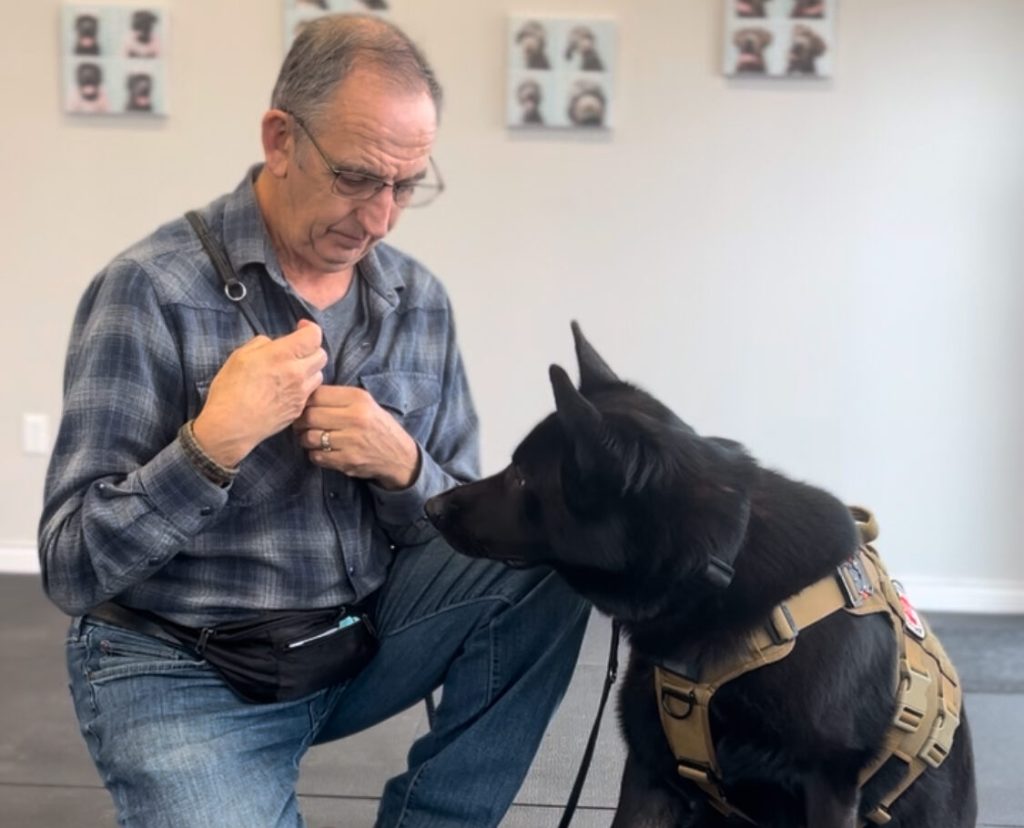
4. Reduces Behavioral Issues
Behavioral problems among dogs can be a significant challenge for owners, often driving them to seek out training solutions. In Nigeria, common issues such as excessive barking, destructive chewing, or aggression may stem from ineffective or inconsistent training methods. Positive reinforcement offers a proactive solution to these problems. By focusing on acknowledging and rewarding positive behaviors instead of punishing negative ones, this approach encourages a dog to repeat desirable actions. For instance, a dog trained to “speak” on command with rewards will likely cease unnecessary barking. The absence of fear in the training process means that learning occurs in a stress-free environment, leading to well-behaved and emotionally stable dogs.
3. Encourages Learning and Adaptation
Urban environments, like the bustling cityscape of Lagos, present a complex array of stimuli for dogs. Navigating crowds, traffic, and constant auditory and visual input requires a dog to be both adaptable and confident. Positive reinforcement is instrumental in promoting learning and adaptation in such circumstances. Training that incorporates treats, toys, or verbal praises helps dogs remain focused and motivated in distracting or unfamiliar situations. This method is particularly useful for working dogs such as security or rescue animals, who face diverse tasks. As dogs gain confidence in their ability to learn and adjust, they become better equipped to perform their roles efficiently, ensuring their effectiveness and safety.
2. Supports Mental Stimulation
Dogs, like humans, require both physical and mental exercise to thrive, a balance that is of heightened importance in the rapidly urbanizing regions of Nigeria. Positive reinforcement encourages not only obedience but also creativity and problem-solving, providing essential mental stimulation. Through interactive games, puzzles, and training commands, owners can engage their dogs’ minds while reinforcing positive behaviors. This stimulation reduces the risk of boredom-related behaviors like chewing furniture or digging. Moreover, the mental engagement strengthens the bond between dog and owner as they work together to solve challenges, making learning enjoyable for both parties.
1. Strengthens the Human-Animal Bond
The number one reason positive reinforcement is invaluable is its unparalleled ability to strengthen the human-animal bond. In Nigerian culture, dogs are often esteemed as more than pets—they are collaborative family members. This method of training underpins the affectionate relationship by nurturing communication and understanding. Through consistent rewards for good behavior, dogs develop trust, loyalty, and affection for their owners, feeling secure in the affectionate, attentive environment created by this training style. A deepened relationship brings about increased satisfaction and well-being on both sides, contributing positively not only to individual households but potentially improving broad societal perceptions towards animals.
In conclusion, the implementation of positive reinforcement in dog training in Nigeria offers a transformative impact. From building trust to enhancing the human-animal connection, this method aligns seamlessly with the cultural and practical realities facing dog owners in Nigeria today. As awareness and education around these effective techniques grow, so does the promise of enriched and harmonious relationships between humans and their canine companions, underscoring the invaluable role dogs play in society.
| Category | Description |
|---|---|
| Effective Learning | Reinforcement encourages quick absorption of commands and routines, making the training process more efficient. Positive experiences promote a faster learning curve among dogs. |
| Strengthened Bond | Using positive reinforcement fosters a deeper bond between dog and owner. Dogs trained with affection and rewards often view their trainers as companions, which greatly enhances obedience and responsiveness. |
| Behavior Modification | Positive reinforcement is crucial for reshaping undesirable behaviors, enabling trainers to redirect actions towards more acceptable alternatives without the use of punishment, leading to better-adjusted pets. |
| Emotional Well-Being | Through rewarding experiences, dogs not only learn but also develop confidence and security. This emotional stability is foundational for overall good behavior and happiness in pets. |
Frequently Asked Questions about Positive Reinforcement Dog Training in Nigeria
What is positive reinforcement in dog training?
Positive reinforcement is a training method that involves rewarding a dog for desired behavior, thereby increasing the likelihood of the behavior being repeated. It is a technique that is increasingly popular among dog trainers in Nigeria, as it focuses on rewards like treats, praise, or play to encourage good behavior. Unlike punishment-based methods, which can induce fear and anxiety, positive reinforcement builds a bond of trust between the dog and the trainer. This method is not only effective but also promotes a more humane and compassionate approach to dog training.
Why is positive reinforcement important in Nigeria’s context?
In Nigeria, positive reinforcement is crucial because it not only leads to better-behaved pets but also contributes to safer communities. As urban areas grow and more people keep dogs as companions or working animals, effective training becomes imperative. With rising incidents of dog bites and aggression related to mistreatment or inadequate training, positive reinforcement offers a sustainable solution. It aligns with modern training philosophies aimed at fostering mutual respect and understanding between humans and dogs.
How does positive reinforcement differ from other training methods?
Positive reinforcement differs significantly from other methods like negative reinforcement or punishment. While punishment might suppress undesirable behaviors temporarily, it often leads to increased stress and behavioral issues in dogs. In contrast, positive reinforcement uses rewards linked to behavior to encourage ongoing learning and cooperation. The method emphasizes patience and consistency, helping dogs understand what is expected of them in a clear and enjoyable manner.
Are there any cultural challenges to implementing positive reinforcement in Nigeria?
Yes, there are cultural challenges, primarily due to traditional beliefs and practices regarding animal training and discipline. However, as awareness about animal welfare grows, more trainers and dog owners are embracing positive reinforcement. Media exposure and educational campaigns have also played a pivotal role in shifting perspectives, highlighting the method’s effectiveness and benefits. As Nigerian society becomes more open to global influences, the acceptance of compassionate training methods is expected to increase.
Conclusion
The use of positive reinforcement in dog training is increasingly recognized as an effective approach worldwide, and its application in Nigeria is gaining momentum. Throughout this article, we explored the profound impact that positive reinforcement can have on canine behavior, offering a stark contrast to aversive methods. It’s evident that this training approach not only enhances the bond between dogs and their owners but also promotes healthier, more communicative relationships.
One of the key takeaways is the way positive reinforcement fosters a learning environment where dogs are encouraged to repeat desired behaviors through the use of rewards. This method has been shown to decrease stress levels and increase the overall well-being of the dogs being trained. In the Nigerian context, where cultural perceptions of dog training are evolving, this method presents an opportunity to shift paradigms and adopt more humane practices.
Furthermore, as dog ownership in Nigeria continues to rise, the dissemination of effective training techniques is crucial. Positive reinforcement enables faster learning and better retention, leading to more obedient and well-adjusted pets. With growing awareness comes the responsibility of pet owners to educate themselves and make informed choices regarding their pet’s training regimen.
In conclusion, embracing positive reinforcement in dog training can significantly enhance the quality of life for pets and owners alike in Nigeria. As more trainers and pet owners recognize its benefits and implement it in their programs, the positive impacts will likely extend beyond individual families to influence broader societal attitudes towards animal welfare. Continual education and advocacy are key to fostering this positive shift, encouraging further research and exploration of humane training practices.