
The Diversity of Cat Breeds: How to Choose the Ideal One for You
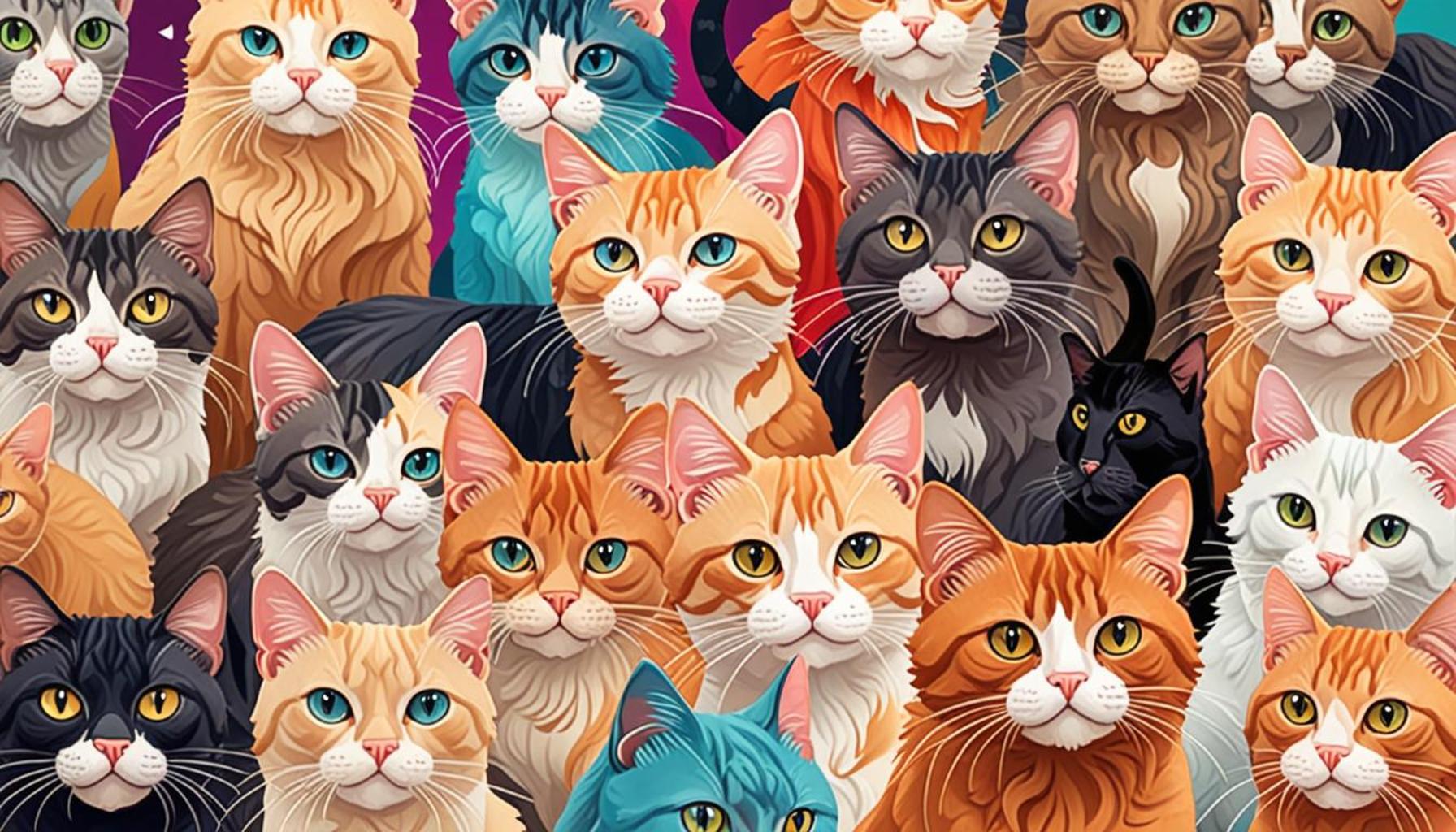
Understanding Cat Breeds: A Key to Finding Your Purr-fect Companion
In our captivating world of pets, few creatures capture our hearts quite like cats. With their exquisite personalities and incredible variety, felines offer potential pet owners a spectrum of choices. Whether you are a lifelong aficionado or about to embark on your first pet journey, knowing about different cat breeds is essential in selecting a companion that fits seamlessly into your life.
Factors to Consider When Choosing a Cat
As you explore the diverse options available, consider these fundamental aspects:
- Temperament: Different breeds exhibit distinct temperaments. For instance, the Maine Coon is friendly and sociable, thriving in family settings, while the Siamese is known for its vocal and affectionate nature, craving interaction and companionship. Understanding temperament is crucial as it influences how well a cat will integrate into your existing lifestyle and household dynamics.
- Coat Type: The aesthetic appeal of a cat significantly stems from its coat. For example, the striking patterns of the Bengal with its leopard-like spots can be visually stunning, while the Persian boasts a long, luxurious coat that requires regular grooming to maintain its beauty. In Nigeria, where the climate can be humid, opting for a low-maintenance coat can prove beneficial in both care and comfort for your pet.
- Activity Level: Different breeds also have varying energy levels. While the Oriental Shorthair often enjoys high-energy play sessions and mental challenges, the laid-back British Shorthair may prefer lounging around in a sunny spot. Your choice should align with your activity level; if you’re often busy, a calm breed might be more suitable.
Local Considerations for Cat Ownership in Nigeria
As interest in pet ownership grows in Nigeria, it’s important to account for local factors affecting cat welfare. The heat can be intense, suggesting a breed that copes well with warm temperatures. Breeds like the Sphynx or American Shorthair, known for their adaptability, might be ideal choices. Furthermore, access to quality veterinary care, food, and grooming resources should influence your decision.
Additionally, it’s crucial to consider each breed’s specific dietary and grooming requirements. Many local veterinarians can provide guidance on suitable diets that cater to the cat’s needs while ensuring they thrive in their environment.
The Deeper Connection with Your Cat
As you delve into the diversity of cat breeds, you’ll discover that it transcends mere physical traits; it’s about forming lasting emotional bonds. Each breed has unique characteristics that can enrich your life and provide companionship, support, and joy. Whether you’re seeking a playful partner to join you in your adventures or a serene companion to curl up with after a long day, informed choices based on breed knowledge pave the way for fulfilling relationships.
Thus, harmonizing your lifestyle with the perfect feline friend not only enhances your daily experience but also contributes to the well-being of your pet, ensuring both you and your new companion embark on a rewarding journey together.
Exploring the Unique Characteristics of Cat Breeds
When it comes to choosing a cat, understanding the unique characteristics of different breeds can make all the difference. Each cat breed possesses specific traits that influence their behavior, health, grooming needs, and overall compatibility with your lifestyle. As you navigate through this tapestry of feline varieties, you’ll find a wealth of information that can help you make an informed decision.
Cohabitating with Cats: Personality Types and Traits
The personality traits of cats are as diverse as their physical characteristics. Here are some popular breeds in Nigeria and their defining traits:
- Maine Coon: Known for their large size and tufted ears, Maine Coons are affectionate and sociable. They often enjoy the company of their family members, making them great companions for households with children or other pets.
- Siamese: Renowned for their striking blue eyes and vocal nature, Siamese cats are highly interactive and enjoy engaging with their owners. They require attention and are often described as “people-oriented,” making them ideal for families who can dedicate time to bonding.
- Bengal: With their exotic looks and high energy, Bengals are playful and require mental stimulation. They thrive in active households where they can engage in play and exploration, making them a great match for owners with an adventurous spirit.
- British Shorthair: Known for their sturdy build and calm demeanor, British Shorthairs are adaptable and typically enjoy a laid-back lifestyle. They make excellent companions for those who prefer a more serene environment.
Understanding these personality traits enables prospective cat owners to select a breed that resonates with their expectations and lifestyle. For example, if you lead a busy life, a more independent breed like the British Shorthair may cater to your need for a lower-maintenance companion, whereas a playful breed like the Bengal may suit those who seek a highly interactive pet.
The Importance of Breeder and Adoption Considerations
Choosing where to obtain your cat is equally significant. In Nigeria, responsible breeders often ensure that cats are well-socialized, healthy, and free from genetic disorders. It’s vital to research and visit reputable breeders to ask about the cat’s lineage, health history, and personality—all of which will ultimately influence your experience as a cat owner.
Alternatively, consider adopting from local shelters or rescue organizations. Many wonderful mixed-breed and purebred cats await loving homes, and adoption not only provides a cat with a better life but also often includes initial vaccinations and health checks, reducing initial costs.
Commitment to Care and Maintenance
Your choice of breed should also take into account the commitment required for care. Some breeds demand frequent grooming attention due to their luxurious coats, while others are relatively low-maintenance. For instance, a Persian cat will need regular brushing to prevent matting, whereas an American Shorthair, with its short and easy-care coat, may require less grooming effort.
Considering these factors thoroughly will help you on the path to finding your ideal feline companion and ensuring that both your lifestyle and your cat’s needs align harmoniously.
When exploring the topic of The Diversity of Cat Breeds: How to Choose the Ideal One for You, it’s essential to understand the unique characteristics and needs of various breeds. Each breed comes with distinct personality traits, grooming requirements, and health issues that potential cat owners should consider before deciding on the ideal feline companion.
For instance, the Persian is known for its long, luxurious coat and affectionate nature, requiring regular grooming to avoid matting. In contrast, the Sphynx, famous for its hairless appearance, demands less grooming but has specific skin care needs due to oil build-up. Likewise, consider the Ragdoll, known for its gentle temperament and sociable disposition, which makes it a perfect choice for families seeking a loving pet.
Another vital aspect to assess is the activity level of the breed. Breeds like the Abyssinian are energetic and playful, thriving in active households, while others, such as the British Shorthair, may prefer a more laid-back environment. Understanding these aspects can significantly affect your choice, ensuring that the cat’s personality aligns with your lifestyle.
The health considerations associated with certain breeds are also paramount in your decision-making process. Some breeds may be predisposed to genetic conditions that can lead to costly treatments. Researching these potential issues in advance can prepare you for responsible pet ownership.
As you delve into the diversity of cat breeds, consider your unique living environment. For apartment dwellers, breeds that adapt well to smaller spaces, like the Scottish Fold, may offer less challenge than more active breeds. The patience and diligence you invest in this research will equip you not only to pick the perfect cat but also to enrich your home with a companion that truly fits your life.
| Category | Advantages |
|---|---|
| Temperament | Caring, affectionate breeds can strengthen family bonds. |
| Grooming Needs | Understanding grooming requirements can lead to lower vet bills and health issues. |
In summary, choosing the right cat breed involves a thorough understanding of their individual traits and fitting those to your own needs and lifestyle. As you gain knowledge about the diverse world of cats, you’ll find a family member that complements your home perfectly.
Understanding Health Considerations and Lifespan
Choosing a cat breed also entails recognizing the potential health issues that particular breeds may face. Interestingly, some breeds are genetically predisposed to certain health conditions, which can impact their well-being and longevity. For instance, the Maine Coon may be susceptible to hypertrophic cardiomyopathy (HCM), a heart condition, while Siamese cats are known to have a higher incidence of respiratory issues due to their distinctive facial structure. By familiarizing yourself with these health risks, you can better prepare for the long-term care your feline friend may require.
On average, domestic cats have a lifespan ranging from 12 to 15 years, depending on their breed and overall care. It’s important to note that purebred cats, while often more sought after for their aesthetics and specific traits, may experience a shorter lifespan compared to their mixed-breed counterparts. This could be due to inbreeding practices that can lead to a concentration of genetic issues. For example, the Persian cat, while popular for its long, luxurious coat, requires diligent care to manage health concerns like polycystic kidney disease (PKD).
Adapting to Lifestyle Changes and Environment
An essential factor in choosing the right cat breed is assessing your personal lifestyle and environment. Do you live in a bustling city or a quiet rural area? This location can play a significant role in deciding which cat breed will thrive in your home. Cats like the Bengal, who are natural explorers and climbers, need a stimulating environment filled with toys, climbing trees, and room to wander. On the other hand, a British Shorthair may find peace in a more serene environment with limited outdoor exposure.
Additionally, your daily routine and commitments should guide your breed choice. For those who travel often or have demanding schedules, breeds that are more independent, such as the Russian Blue, are often better suited. These cats can entertain themselves and adapt well to periods of solitude, which could align perfectly with a busier lifestyle.
Interactions with Other Pets and Family Members
Your household dynamics, including interactions with other pets and family members, should also influence your decision. Some breeds, such as the Ragdoll, are known for their gentle and friendly nature, making them suitable for homes with children or other pets. Their calm disposition allows them to cohabitate harmoniously, reducing potential stress within the household. Contrast this with the territorial nature of some Persians, which might require more solitary time when integrating into a family environment.
Considering these interpersonal and environmental factors will not only aid in selecting a breed that suits your household but also ensure that your new feline friend seamlessly integrates into your living space. This thoughtful approach guarantees a harmonious relationship filled with affection and companionship.
Conclusion: Making an Informed Choice for Your Feline Companion
In the journey of choosing the right cat breed, one must consider a multitude of factors that contribute to the overall well-being of these delightful creatures. With an astonishing range of breeds available, each with its own unique traits, understanding the requirements—be it health concerns, environmental adaptability, or interactions with family—becomes paramount. Recognizing the individual needs of breeds like the sociable Ragdoll versus the independent Russian Blue allows you to find a match that complements your lifestyle seamlessly.
Furthermore, with cats being cherished companions in Nigerian households, it’s essential to factor in local conditions such as climate and space availability. For instance, breeds that thrive indoors might be preferable in densely populated urban areas, whereas more active breeds can flourish in spacious homes with private outdoor access. As you explore the diversity of cat breeds, take into consideration their lifespan, the potential for health issues, and how they harmonize with your existing pets and family dynamics.
Ultimately, the goal is to foster a relationship built on understanding and love. By prioritizing these elements, you not only ensure that you choose a breed that aligns with your lifestyle but also pave the way for a fulfilling bonding experience that brings joy to you and your new furry friend. Dive deeper into the captivating world of cat breeds, enabling a life of companionship that resonates for years to come.