
The Effect of Environmental Stress on Pet Behavior and How to Train Them

Understanding the Impact of Environmental Stress on Pets
Every pet owner knows that our furry companions can be remarkably sensitive to their surroundings. When environmental stressors arise, pet behavior often changes in ways that can be surprising and challenging to manage. These changes are not just fleeting reactions; they can significantly impact the pet’s mental and physical well-being if not addressed properly.
Common stressors include:
- Sudden loud noises, like thunderstorms or construction sounds: Many pets, particularly dogs, can develop a fear of unexpected sounds. This can lead to behaviors such as hiding, trembling, or even destructive actions, like chewing on furniture.
- Changes in routine, such as moving houses or introducing new family members: Pets thrive on consistency and can become anxious if their daily patterns are disrupted. For instance, relocating to a new environment may confuse pets and cause them to mark territory or show signs of separation anxiety.
- Overcrowding or lack of personal space: In urban areas like Lagos, where family size tends to be larger and space can be limited, pets may feel cornered or overwhelmed by the constant hustle and bustle. This can result in aggression or withdrawal as a coping mechanism.
These environmental challenges can lead to a range of behaviors, from anxiety and aggression to excessive barking and withdrawal. For many pet owners, these alterations in normal behavior can feel overwhelming. Understanding the connection between environmental stress and your pet’s actions is crucial for providing effective training and support. It’s essential to recognize that these behaviors are not merely nuisances; they are signals that your pet is experiencing distress.
In Nigeria, where constant urban noise and unpredictable weather patterns occur, pet owners may notice these stress-related behaviors more frequently. For example, a sudden downpour during the dry season can throw pets off balance, leading to discomfort and anxiety. Identifying and addressing these issues early can pave the way for a harmonious relationship with your pets.
Strategies for Coping with Environmental Stress
As we explore this fascinating topic, we’ll discuss effective strategies to mitigate stress and train pets to cope with their environment. Simple interventions, such as providing a safe space that your pet can retreat to during stressful times, can significantly help. Introducing items like a cozy bed in a quiet part of the home can create a personal sanctuary for pets.
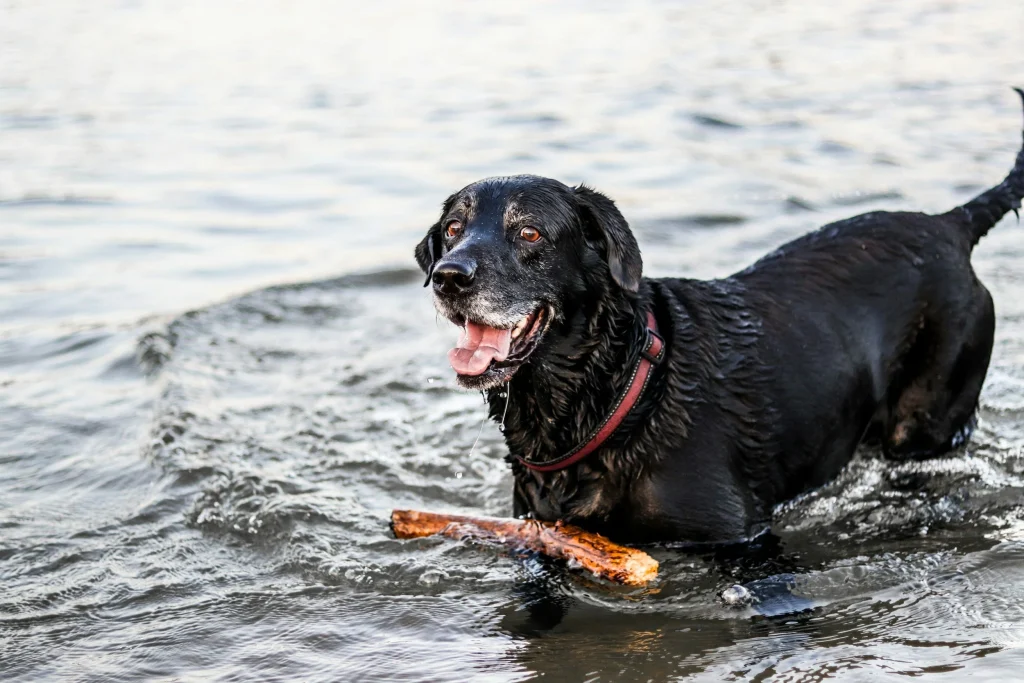
Another effective technique is the use of positive reinforcement. This involves rewarding your pet for calm behavior in the face of potential stressors, which can gradually desensitize them to their fears. Additionally, creating a stable home environment through predictable routines can help alleviate anxiety, making going for walks or mealtime a comforting ritual rather than a source of stress.
Ultimately, investing time in understanding your pet’s feelings and behaviors can greatly enhance their well-being. Get ready to dive into the world of pet behavior and discover how to help your furry friends thrive amid the challenges of modern living. Making these adjustments not only benefits your pet’s health but also strengthens the bond you share with your beloved companion.
Recognizing Signs of Stress in Pets
Understanding how environmental stress affects pet behavior begins with recognizing the signs that indicate your animal is not coping well with their surroundings. As pet owners, it’s essential to be observant and proactive, acknowledging that our pets express their discomfort through various behaviors. Acknowledging these signs is the first step toward offering effective support and training.
Some typical signs of stress in pets include:
- Excessive barking or vocalization: When your pet barks more than usual or exhibits other vocal sounds, it may be a sign they are feeling anxious. In busy urban settings, the noise may trigger this behavior, leading to ongoing stress.
- Aggression or irritability: Stress can lead to unpredictable behavior changes, including increased aggression towards people or other pets. This is particularly concerning in multi-pet households, where crowded environments can create tension.
- Withdrawal or hiding: Pets may seek solitude when overwhelmed, retreating to corners or under furniture. This behavior is especially common after a stressful event, such as a loud party or the arrival of unfamiliar guests.
- Destructive actions: Some pets will chew on furniture, dig at carpets, or scratch at doors when stressed. This can be a response to boredom or an attempt to cope with anxiety produced by a chaotic environment.
- Changes in eating or sleeping habits: A stressed pet may exhibit a lack of appetite, refusing food or treats, or displaying restless sleeping patterns. Their body language during these times will also often appear tense or uneasy.
In Nigeria, where daily life can be inundated with environmental stressors like sudden thunderstorms or bustling city sounds, these signs can frequently manifest. For instance, if you have recently moved into a new neighborhood or welcomed new family members, watch closely for these behavioral changes in your pets. Addressing environmental stress early can help improve their mental and physical health significantly.
Creating a Safe Space for Relaxation
Establishing a safe haven for your pets can be an effective way to reduce their stress. This designated area should be calm, quiet, and free from disturbances, allowing your pet to retreat when the environment becomes overwhelming. Incorporating soft bedding, familiar toys, and providing access to fresh water can transform this space into a comforting sanctuary.
Moreover, consider using calming aids, such as pheromone diffusers or soothing music, which can help create a tranquil environment. These aids can serve as an additional layer of stress relief for pets who are particularly sensitive to sounds or abrupt changes in their environment.
In the next section, we will delve deeper into effective training methods geared toward supporting pets as they manage environmental stress. We will explore how implementing routines that incorporate positive reinforcement can strengthen the pet-owner bond and build your pet’s confidence in navigating their surroundings.
| Category 1 | Category 2 |
|---|---|
| Environmental Changes | Pets may exhibit behavioral changes due to alterations in their environment, such as moving to a new home or changes in household routine. |
| Heightened Sensitivity | Increased noise levels or new odors can create anxiety, leading to such behaviors as aggression or withdrawal. |
| Training Techniques | Incorporating desensitization and counter-conditioning helps pets adapt, providing them a feeling of security. |
| Behavioral Cues | Recognizing signs of stress, such as excessive barking or hiding, allows for proactive training interventions. |
| Pet Environment Enrichment | Providing interactive toys and safe spaces can decrease stress and enhance well-being, enabling positive behavioral outlook. |
As we delve deeper into the aspect of environmental stress on pet behavior, it becomes abundantly clear that pets are highly perceptive creatures, often reacting to subtle shifts around them. Environmental changes, whether it’s moving to a new location or altering routine habits, can significantly impact your pet’s behavior, rendering them anxious or unsettled. This phenomenon transcends breed differences; all pets experience levels of heightened sensitivity to their surroundings.Furthermore, employing thoughtful training techniques such as desensitization can mitigate adverse reactions. Rather than allowing stress to dominate their behavior, empowering our pets with coping strategies can foster resilience. Recognizing behavioral cues becomes a critical skill for pet owners, as it opens avenues for timely intervention and fosters a positive atmosphere. Lastly, investing in environmental enrichment through interactive play and safe spaces is vital, contributing to a more balanced state of mind in pets. With proper attention and training, we can equip our beloved companions to thrive even amidst environmental fluctuations.
Training Techniques to Alleviate Stress
Once you’ve identified the signs of stress in your pet and created a safe space for them, the next step is to implement effective training techniques that can help alleviate their stress levels. Training not only teaches your pet how to cope with their environment but also reinforces the bond between you and your furry friend. With a blend of positive reinforcement and consistency, pets can learn to navigate environmental stressors more effectively.
Positive Reinforcement
Positive reinforcement is a powerful training method that involves offering rewards—such as treats, praise, or playtime—when your pet exhibits calm behavior. For example, if your dog remains relaxed in a noisy environment, rewarding them with their favorite treat can reinforce that behavior and encourage them to stay calm the next time they face a similar situation. This method is not only effective but also enhances trust between you and your pet, fostering more secure feelings in stressful environments.
In Nigeria, you might encounter situations where your pet is startled by the sounds of bustling traffic or sudden thunder. To prepare them for these moments, practice desensitization by gradually exposing them to these stimuli in a controlled manner while offering positive reinforcement. For instance, play sounds of traffic at a low volume while rewarding your pet for remaining calm. Over time, you can increase the volume as your pet becomes more accustomed to these noises.
Establishing Routines
Another crucial element in managing environmental stress is establishing a consistent routine. Pets thrive on predictability; a well-structured schedule for feeding, walks, and playtime can significantly reduce anxiety. By providing a framework for their day, you empower your pet with a sense of control over their environment.
Incorporate regular exercise into your routine, as physical activity can serve as a natural stress-reliever for pets. For example, daily walks in a calm area or structured play sessions can help them blow off steam and improve their overall mood. This is especially important in urban areas where the hustle and bustle can be overwhelming. Additionally, consider setting aside time each day for quiet bonding activities, such as grooming or simply lounging together, to strengthen your relationship.
Utilizing Interactive Toys and Activities
Engaging pets with interactive toys or puzzle feeders can effectively alleviate stress by keeping their minds active and distracted during overwhelming situations. These toys challenge your pet mentally, requiring them to solve problems to receive treats or rewards, thereby redirecting their energy and anxiety into constructive play. Products like Kong toys filled with peanut butter or treat-dispensing balls can captivate their interest for hours, preventing them from becoming fixated on external stressors.
Moreover, participate in training classes that emphasize socialization and appropriate behavior in different environments. Exposure to various places and situations, such as parks or pet-friendly events, can enhance their adaptability and help them become more resilient to potential stressors in the future.
Incorporating these training techniques not only supports your pet during stressful times but actively builds their confidence in handling changes in their environment. As you implement these strategies, remember that patience and consistency are paramount. Just as you work to understand your pet’s stress triggers, they, in turn, will learn to navigate their world with your guidance.
Conclusion
In conclusion, understanding the effect of environmental stress on pet behavior is essential for all pet owners who want to ensure the well-being of their furry companions. Environmental stressors, ranging from loud noises to rapid changes in routine, can deeply impact a pet’s behavior, leading to anxiety and fear. By recognizing the signs of stress and providing effective training techniques, such as positive reinforcement and establishing a predictable routine, pet owners in Nigeria and beyond can significantly mitigate these stressors.
Moreover, engaging pets with interactive toys and participating in socialization activities can foster resilience to external challenges. These strategies not only help pets cope with their surroundings but also strengthen the bond between pets and their owners. As we delve deeper into the intricate relationship between pets and their environments, it becomes increasingly clear that a proactive approach to training and care is crucial. This involves a combination of observation, understanding, and consistent effort to cultivate a sense of security for our pets.
Ultimately, a well-trained pet that feels secure in their environment will be not only happier but also healthier. By investing time and energy into alleviating environmental stress, you pave the way for a harmonious life, leading to a joyful pet and a fulfilling relationship. For those seeking to explore further, numerous resources and expert training programs are available, guiding you on this rewarding journey toward enhancing your pet’s quality of life.