
The Impact of Pet Presence on the Recovery of Hospitalized Patients in Nigeria
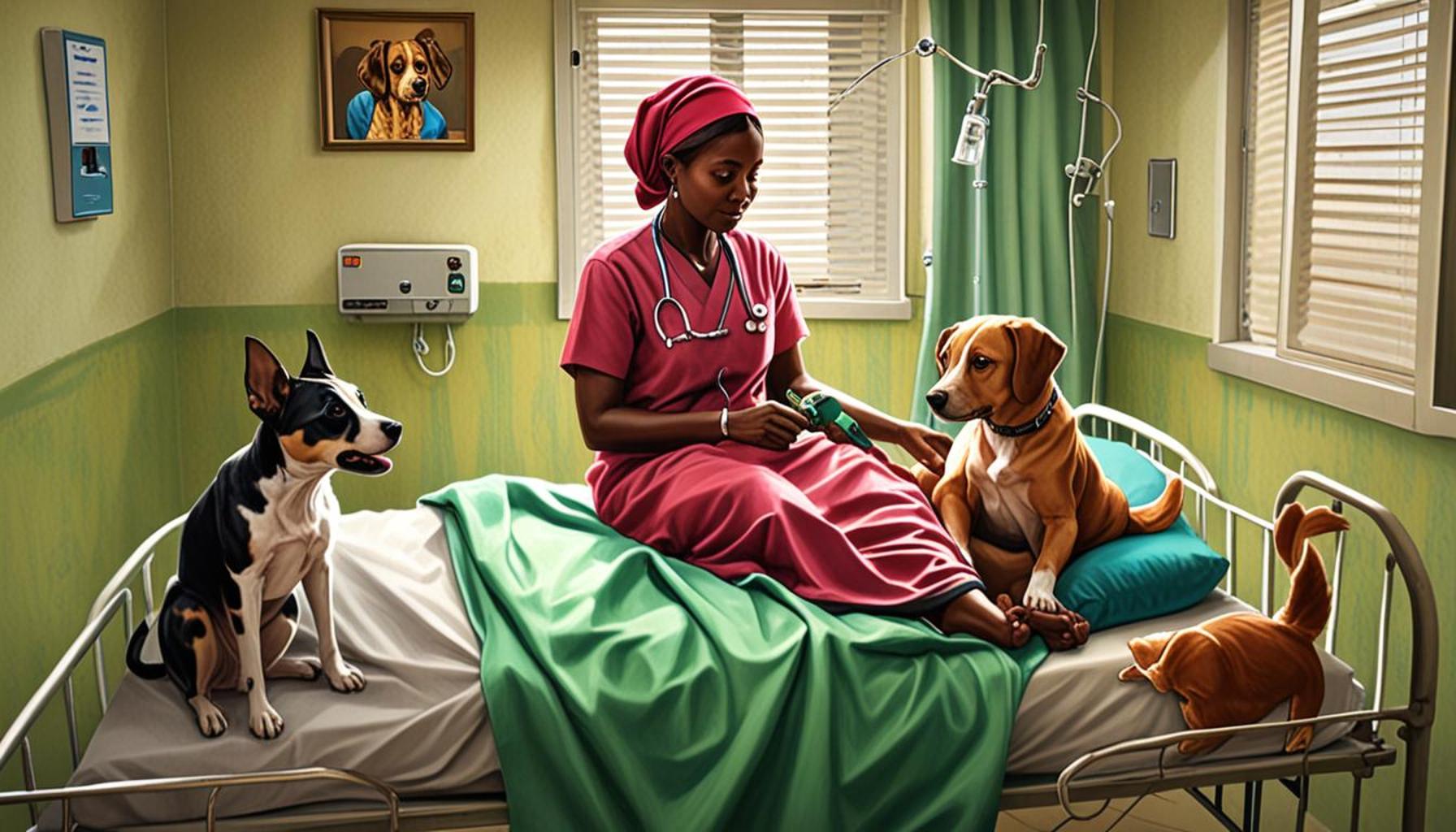
The Healing Potential of Pets in Healthcare
The notion of integrating pets into healthcare settings is gaining traction globally, and Nigeria stands at a unique intersection of this trend, blending both traditional and modern medical practices. In a country rich in cultural diversity and deeply rooted in community relationships, the introduction of therapy animals could reflect not just a medical advancement but also a cultural evolution.
Research from various institutions has documented the therapeutic benefits of animal-assisted interventions, demonstrating how the presence of pets can lead to notable improvements in patients’ mental and physical health. For instance, several studies have shown that the mere act of petting a dog can result in measurable reductions in blood pressure and heart rate, particularly beneficial for patients with cardiovascular issues.
How Pets Help Patients
Examining the specific benefits of pets in a healthcare context reveals three key areas where their presence can make a significant impact:
- Reduced Stress Levels: Interaction with pets is known to lower anxiety and inflate overall mood. In high-pressure environments such as hospitals, the soothing presence of an animal can serve as a powerful tool for relaxation. For example, imagine a patient undergoing treatment for a chronic illness who finds comfort in the gentle nudge of a therapy dog, facilitating a momentary escape from their reality.
- Companionship: In an environment that can often feel isolating, particularly for individuals battling health issues, animals provide a sense of belonging. This companionship can be particularly crucial in Nigeria, where many cultural practices emphasize communal living. A visit from a friendly cat or dog can evoke warmth and connection, fostering a supportive atmosphere for patients.
- Encouragement for Physical Activity: The responsibility of caring for pets can encourage patients to engage more actively in their recovery. Simple activities, such as walking a therapy dog, can motivate patients to partake in light exercise, which has commendable benefits for physical rehabilitation post-surgery or during long-term recovery.
A Cultural Perspective
Nigeria’s diverse cultural perspectives on animals often do influence how therapy pets might be received. In some areas, animals are cherished companions, while in others, they may carry stigmas. Therefore, understanding these cultural attitudes is vital for the successful integration of therapy animals. Initiatives that educate healthcare providers and the general public about the benefits of pet therapy could lead to broader acceptance and implementation.
In the evolving landscape of healthcare in Nigeria, the question remains: Could fostering a connection between patients and animals truly pave the way for improved health outcomes? This intriguing inquiry invites further exploration into the impacts of animal companionship in hospitals. As we delve deeper into this subject, we may find that the furry friends can not only heal the hearts of those who care for them but truly enhance the overall fabric of healing within our healthcare systems. The potential for a revolutionized approach to recovery is on the horizon, awaiting acknowledgment and action.
The Role of Pets in Enhancing Patient Recovery
The presence of pets within hospital settings in Nigeria is not merely a novel concept; it embodies a transformative approach to patient care that could address both physical and emotional healing. Therapy animals, including dogs and cats, have been shown to foster an environment that encourages recovery through significant psychological and physiological benefits. The integration of these friendly companions into medical facilities may shift traditional recovery narratives, offering a balance between clinical treatment and compassionate healing.
Physiological Benefits of Pet Presence
Research highlights compelling evidence that animal-assisted therapy leads to better recovery outcomes. Patients engaging with therapy animals often experience reductions in pain, improved cardiovascular health, and enhanced immune function. For example:
- Decreased Pain Perception: Interactions with pets can release endorphins, reducing the perception of pain. Patients with chronic conditions or those recovering from surgery may find comfort and an alleviation of discomfort through the warmth of an animal’s presence.
- Improved Heart Health: The soothing interactions with therapy animals can lower heart rates and blood pressure. This is particularly important for patients managing heart-related ailments, commonly seen in Nigerian healthcare settings.
- Enhanced Immune Response: Emotional well-being heavily influences physical health. Those who engage with animals often report lower levels of stress, which can, in turn, boost the immune system, enabling more efficient recovery.
Emotional and Mental Health Advantages
Pet presence not only improves physical health but also significantly uplifts emotional wellbeing. The burden of illness often isolates patients, putting them at risk of anxiety and depression. Entering a hospital room filled with the soft allure of a dog or cat can change that narrative, offering:
- Increased Happiness: The joy that pets bring can combat feelings of loneliness and despair. A simple wagging tail or purring cat can evoke smiles and laughter, lifting patients’ spirits.
- Stress Relief: Touching or playing with animals has been proven to lower levels of the stress hormone cortisol. In Nigeria where healthcare services can be overwhelming, these moments of interaction can create needed relief.
- Boost in Motivation: The presence of pets may encourage patients to engage more with their surroundings and seek interaction, leading to increased participation in their rehabilitation processes.
With the ongoing challenges in the Nigerian healthcare system, from resource limitations to long waiting times, the incorporation of pets could act as a beacon of hope. It presents an opportunity not just for recovery, but for a conjunctural shift in how patient healing is approached. By merging the realms of health and heart, Nigeria stands to cultivate an enriched environment where the healing power of pets can truly flourish.
The Impact of Pet Presence on the Recovery of Hospitalized Patients in Nigeria
The relationship between humans and pets extends beyond companionship; it has profound implications for health, particularly in the context of hospitalization. In Nigeria, where healthcare resources may be stretched thin, leveraging the emotional and physical benefits of pet presence can play a crucial role in patient recovery. Research indicates that the mere presence of pets can significantly reduce anxiety and stress levels. For hospitalized patients, stress can impede healing, making the comforting presence of a pet a valuable asset during recovery.Moreover, the therapeutic effects of animals are increasingly recognized. Hospitals that integrate pet therapy into their recovery protocols report lower pain levels and quicker recovery times among patients. The interaction with animals encourages movement and engagement, which can be especially beneficial for patients recuperating from surgery or serious illnesses. Studies suggest that the act of petting or interacting with animals can release oxytocin, a hormone associated with bonding and stress relief, thereby speeding up the healing process.Additionally, the sociocultural significance of pets in Nigerian households contributes to their therapeutic value. Many patients benefit from the emotional support provided by pets, which reminds them of home and normalcy during their hospital stay. This connection is important, especially in cultures that place strong emphasis on community and family ties. Therefore, fostering a better understanding and implementation of pet presence in hospitals could lead to transformative improvements in patient care.
| Category | Details |
|---|---|
| Emotional Support | Reduces Anxiety: Pet presence has been shown to alleviate anxiety levels for patients, fostering a sense of calm. |
| Physical Recovery | Promotes Healing: Interaction with pets increases physical activity, aiding faster recovery and lowering pain perception. |
The integration of pet presence in the healthcare system should be further explored and encouraged, considering the evident psychological and physical benefits observed in patients. This innovative approach not only enriches the healing environment but also enhances overall patient outcomes in hospitals across Nigeria.
The Considerations for Integrating Pets in Hospital Settings
While the integration of pets into Nigerian hospital settings holds immense potential, it is vital to address several considerations to ensure that both patients and healthcare providers derive the maximum benefits. The implementation process requires thoughtful strategies that acknowledge cultural norms, ethical standards, and logistical aspects.
Cultural Acceptance and Sensitivity
In Nigeria, cultural beliefs and attitudes towards animals vary significantly across different communities. Some individuals view pets favorably and consider them integral members of the family. In contrast, others may hold reservations due to cultural or religious perspectives, viewing certain animals as unclean or inappropriate company for patients. As such, the acceptance of pet therapy should be rooted in local beliefs and practices.
Healthcare facilities must conduct comprehensive surveys and educational programs to understand the perceptions surrounding the presence of pets. Engaging with community leaders and stakeholders can cultivate a supportive environment that respects and merges local cultural values with modern therapeutic approaches.
Animal Welfare and Training
The wellbeing of the therapy animals involved is paramount. Each pet should undergo adequate training and evaluation to ensure they have the right temperament and skills for therapy work. In Nigeria, initiatives to establish animal therapy organizations can provide the necessary framework for training both pets and their handlers, ensuring safe interactions in medical settings.
Veterinary assessments should also be part of this training to confirm that the animals are healthy and up-to-date with vaccinations. Furthermore, emotional support animals should be regularly monitored to maintain their wellbeing, as the stress of hospital environments may affect them, and by extension, the patients they serve.
Logistical Challenges in Healthcare Facilities
The practicality of introducing pet therapy in Nigeria’s healthcare facilities necessitates addressing various logistical barriers. Space constraints within hospitals may limit the ability to accommodate animals, particularly in wards with high patient turnover. Planning and organizing dedicated spaces for therapy interactions can mitigate potential disruptions while also providing a safe haven for patients and pets alike.
Furthermore, the need for trained staff to oversee animal interactions cannot be overstated. Additional personnel must be available for training programs and to facilitate these interventions, which would also mean allocating budgets to ensure sustainability over time. Engaging volunteers from local animal welfare organizations could serve as a feasible solution to this challenge.
Research and Data Collection
As awareness of the benefits of pet therapy grows, it becomes imperative to accumulate data to substantiate its impact in a Nigerian context. Hospitals should consider participating in research initiatives to document recovery rates, emotional wellbeing improvements, and patient satisfaction before and after interactions with therapy pets. By conducting studies specific to Nigerian demographics, healthcare systems can tailor their approaches and further advocate for the integration of animal therapy.
In conclusion, while the journey towards integrating pets into Nigerian hospitals may pose challenges, it unequivocally presents an opportunity to enhance patient care and redefine recovery processes. Investing in the proper frameworks will facilitate a symbiotic relationship between healthcare and compassionate care, demonstrating that healing can encompass both physical and emotional dimensions.
Conclusion: Embracing Healing Through Companion Animals
The integration of pets into the recovery processes of hospitalized patients in Nigeria presents a compelling opportunity to enhance the overall healthcare experience. Through the lens of pet therapy, we see how the presence of animals can play a pivotal role in not only accelerating physical healing but also uplifting emotional wellbeing. Research has shown that animals can help reduce stress levels, decrease feelings of loneliness, and even improve recovery rates. In a country where community and emotional connections are paramount, the potential for furry companions to foster these connections is significant.
As we move toward integrating pet therapy into Nigeria’s healthcare framework, it is essential to consider the diverse cultural contexts that shape public attitudes toward animals. Adapting these initiatives to resonate with local beliefs will ensure acceptance and success. Furthermore, emphasizing animal welfare alongside patient welfare will create a harmonious environment for both pets and patients. Establishing robust training programs and research initiatives can help dispel myths, provide insights, and establish best practices that cater to Nigerian societal needs.
Ultimately, as health professionals and policymakers recognize the valuable role of pets in medical environments, the path towards a compassionate and holistic approach to healthcare becomes clearer. By bridging the gap between traditional care and innovative therapeutic practices, Nigeria stands poised to redefine recovery, paving the way for a more nurturing and supportive healthcare system. Engaging in this journey can ensure that patient recovery in Nigeria is not merely a medical endeavor, but a comprehensive, emotionally enriched experience that acknowledges the profound bond between humans and their pets.