
The Importance of Early Socialization in Puppy Training in Nigeria

The Vital Role of Early Socialization in Puppy Training
Puppy training is a fundamental aspect of nurturing a well-mannered canine companion. In Nigeria, where diverse environments and vibrant cultures abound, the importance of early socialization cannot be overstated. Proper exposure to a variety of settings, people, and other animals can profoundly shape a puppy’s behavior and temperament as it matures.
Socialization is essential during the early development stages for a myriad of reasons:
- Prevents Fearfulness: Introducing puppies to different stimuli—such as different sounds, sights, and smells—can help build their confidence and reduce anxiety. A puppy that regularly meets new people, experiences urban noise, or interacts with a variety of animals is more likely to become a well-adjusted adult dog.
- Encourages Positive Interactions: Socialized puppies are generally more inclined to have enjoyable interactions with humans and other dogs. For example, when a puppy grows up engaging happily with children, elderly people, and various breeds of dogs, they tend to be courteous and adaptive in their relationships throughout life.
- Reduces Behavioral Issues: Many behavioral problems, such as aggression or extreme shyness, can often be traced back to inadequate socialization during the formative months. Puppies that are familiarized with different environments—like the bustling streets of Lagos or the serene outskirts of Jos—are less likely to exhibit anxiety or aggression when faced with similar situations later in life.
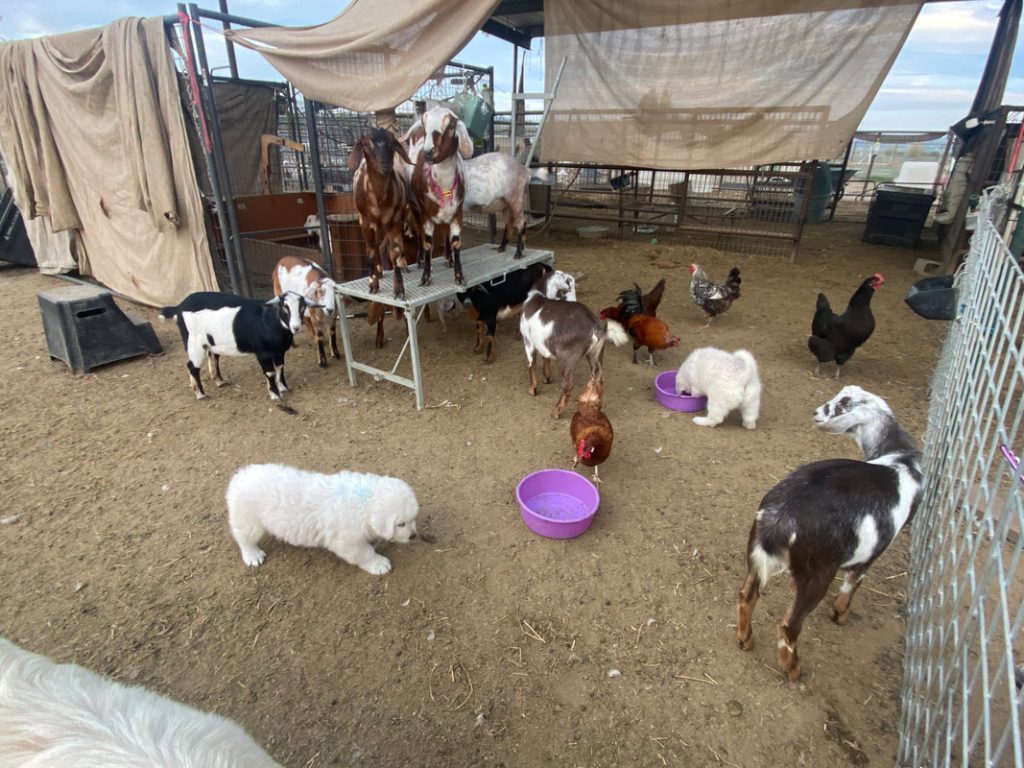
In Nigerian cities, the urban landscape presents both opportunities and challenges for puppy socialization. For instance, a puppy that strolls through the local market, witnesses the lively exchanges, and encounters a range of people—from busy traders to curious children—builds resilience and adaptability. In contrast, rural settings, while often quieter, also offer unique socialization opportunities. Puppies can learn to interact with livestock or adapt to different agricultural environments, which is crucial for living harmoniously within these spaces.
Moreover, engaging with local training programs or community meet-ups is an excellent way for dog owners to enhance their understanding of proper socialization practices. These gatherings allow owners to exchange tips and experiences, supporting the creation of a responsible pet community in Nigeria. Joining forces with neighboring dog owners can also lead to enriched social experiences for the puppies, utilizing cooperative play dates or group training sessions to maximize learning.
As pet owners embark on this rewarding journey, comprehending the intricacies of early socialization will enable them to raise adaptable, confident dogs, perfectly suited for life in the diverse landscapes of Nigeria. By appreciating and implementing these practices, we can foster not only well-behaved pets but also a more understanding society of dog owners capable of nurturing the next generation of our furry companions.
Navigating Urban and Rural Challenges
In the vast and diverse landscapes of Nigeria, puppy training is not solely about instilling commands; it also involves successfully navigating the multifaceted social environments that dogs will encounter. The role of early socialization in puppy training is intricately tied to the unique cultural and geographical contexts of Nigerian life. Puppies that undergo thorough socialization during their formative weeks grow into dogs that are not only more confident but also exhibit enhanced adaptability in various situations.
Understanding the importance of early socialization brings us to recognize key environments where puppies can learn. Consider the nuances of the bustling market in a city like Lagos. Here, a puppy is exposed to a sensory overload of sights, sounds, and smells—from the loud honking of cars to the vibrant colors of fresh produce stalls. These experiences are instrumental in teaching young dogs how to remain composed amid chaos, effectively reducing the likelihood of future anxieties.
On the other hand, rural settings provide rich opportunities for socialization that differ significantly. In regions such as the serene outskirts of Jos, puppies may interact with farm animals and experience natural sounds, such as birdsong or rustling leaves. Exposure to these rural elements fosters a balanced temperament in dogs, ensuring they can comfortably exist in both urban and countryside environments.
To underscore the vital role of early socialization, here are some critical aspects that directly impact a puppy’s future behavior:
- Social Skill Development: Puppies that are exposed to varied social settings learn to interpret canine body language and social cues, which is essential for maintaining harmonious relationships with other dogs.
- Human Interaction: Regular contact with people of every age group, including children, can instill a sense of trust in puppies. This trust translates into well-adjusted adult dogs that are friendly and approachable.
- Environmental Familiarity: Encountering different terrains, from busy streets to quiet parks, helps puppies develop a strong adaptability to their surroundings, allowing them to thrive regardless of location.
Moreover, engaging with local dog training classes unlocks additional avenues for socialization. These classes often emphasize controlled exercises that allow puppies to interact with other dogs under the guidance of a trainer. Such environments are beneficial, as they provide an opportunity for owners to educate themselves on effective socialization methods. In Nigeria, where community ties are strong, these classes also foster a spirit of cooperation among pet owners, cultivating a network that ensures responsible dog ownership.
Ultimately, the journey towards raising a well-socialized dog rests heavily on the shoulders of the owner. Recognizing the influence of these early experiences is essential. By actively seeking diverse social opportunities, pet owners can cultivate an environment rich in stimuli—promoting not just good behavior in their puppies, but also enriching the broader community of dog lovers throughout Nigeria.
The Importance of Early Socialization in Puppy Training in Nigeria
One of the critical aspects of successful puppy training in Nigeria is the concept of early socialization, which plays an essential role in shaping a well-adjusted and well-behaved dog. Early socialization involves exposing puppies to various experiences, people, and environments before they reach the age of 16 weeks. This process significantly impacts their behavior and temperament throughout their lives.The benefits of early socialization are manifold. Firstly, it helps in reducing fear-based behaviors when puppies encounter new situations. When puppies are exposed to various stimuli, such as different sounds, sights, and scents, they learn to respond positively rather than react fearfully. Additionally, early socialization fosters confidence, enabling puppies to interact comfortably with other dogs and humans, which is particularly important in Nigeria, where diverse communities and environments present numerous socialization opportunities.Moreover, socialization lays the groundwork for a puppy’s training journey. A well-socialized puppy is more likely to engage positively in training sessions, making the learning process smoother and more effective. The experience of meeting different people and pets aids in the development of important social skills. This is vital in Nigeria, where culture and community play a significant role in daily life. By investing time in socializing puppies early, owners are essentially building a foundation that prevents behavioral problems later on.As Nigerian pet owners seek to create harmonious living environments, the emphasis on early socialization cannot be overstated. It not only enhances the puppy’s quality of life but also strengthens the bond between the pet and its owner. The journey begins with a simple yet profound understanding: a socially skilled puppy is an asset to any home and community.
| Advantages | Importance |
|---|---|
| Reduces Fear-based Behaviors | Early exposure helps puppies confront new experiences without fear, leading to a confident adult dog. |
| Enhances Training Success | Socialized puppies are more engaged during training, which fosters better learning and behavior. |
In urban areas of Nigeria, where public spaces and community interactions are frequent, early socialization allows puppies to navigate their environments confidently and with ease. It is crucial for dog owners to understand that taking the time to socialize their puppies early on can lead to a more balanced and well-rounded pet, which benefits both the dog and the owner in the long term.
Community Engagement and Support Systems
In Nigeria, the path to successful puppy training is intricately woven with the foundational structure of community support. Strong social networks can significantly enhance the socialization process for puppies. Participating in local dog clubs or networking with other dog owners creates a robust platform for shared experiences and techniques crucial for puppy development. This search for community aligns perfectly with the social nature of both humans and dogs, reinforcing the importance of early socialization as a collective endeavor.
Many pet owners may not realize that organizing or joining informal puppy playdates can also serve as an excellent avenue for socialization. These gatherings, whether in public parks or backyards, provide controlled environments for puppies to engage with one another. Puppies quickly learn how to navigate their interactions, establishing social hierarchies and play styles that are essential for canine communication. Anecdotal evidence suggests that puppies who regularly interact with their peers during these formative weeks are less likely to develop behavioral issues such as aggression or fearfulness.
As urban environments in Nigeria become increasingly congested, introducing puppies to diverse stimuli is vital for their mental and emotional well-being. This is where community-led initiatives play a pivotal role. Local awareness campaigns focusing on responsible pet ownership often highlight the importance of socialization. For instance, educational workshops targeting neighborhoods in cities like Abuja can help owners understand the intricacies of exposing their dogs to various environments, influences, and companions.
Additionally, there is a growing trend of utilizing technology, from social media platforms to dedicated pet training applications, to facilitate social learning. Online communities allow owners to share tips and solutions tailored to distinctly Nigerian contexts, such as dealing with street dogs or local wildlife that might pose challenges for untrained puppies. Resources like these are indispensable for owners who may struggle to find professional training services, thus ensuring that effective socialization techniques reach a wider audience.
The inclusion of traditional practices in dog training is another essential element that deserves attention. In several cultures within Nigeria, dogs are viewed as integral family members and guardians. Incorporating traditional values into the training process can reinforce socialization. For example, training methods that emphasize positive reinforcement and gentle correction resonate with the community’s emphasis on harmony and respect within family units, forging strong bonds between owners and their pets.
Furthermore, fostering a culture of empathy and understanding towards animals can transform the puppy socialization experience. Raising awareness about the emotional needs of dogs, including their requirement for social interaction, is paramount. Workshops focused on educating potential dog owners about canine behavior can establish a more compassionate society, ultimately leading to greater acceptance of dogs in public spaces. When communities come together to learn and grow with their pets, the socialization process is organically enhanced.
In essence, the value of community engagement in puppy training cannot be understated. As the importance of early socialization in puppy training gains traction in Nigeria, it presents an opportunity for collective reflection and action that will resonate well into the future. By working together, communities can foster well-adjusted dogs that contribute positively to urban and rural life, shaping an inclusive culture of responsible pet ownership for generations to come.
Conclusion
In conclusion, the significance of early socialization in puppy training in Nigeria cannot be overstated. It is a fundamental building block that shapes a puppy’s development, ensuring they grow into well-adjusted adults capable of thriving in our vibrant and often bustling environments. As we have explored, this process requires a multifaceted approach that incorporates community engagement, traditional values, and modern resources, creating a well-rounded strategy for puppy training.
The proactive involvement of pet owners in structured socialization experiences—such as playdates and organized outings—can significantly reduce the risk of behavioral issues later in a dog’s life. Moreover, consistent exposure to various stimuli enriches a puppy’s experiences, cultivating resilience and adaptability. Efforts to promote responsible pet ownership through grassroots initiatives and technology reflect a growing understanding of the need for community cooperation in this endeavor.
Furthermore, integrating local customs into training methodologies not only respects Nigeria’s rich culture but also resonates with the nurturing bonds between families and their pets. This cultural sensitivity fosters a more empathetic understanding towards dogs, reinforcing the idea that socialization is a shared responsibility.
Ultimately, embracing the importance of socialization offers a pathway toward a future where well-trained, sociable dogs enhance our communities, paving the way for a more inclusive and understanding society. By prioritizing early socialization in puppy training, we not only invest in the well-being of our pets but also contribute to a harmonious coexistence that uplifts our neighborhoods and enriches our lives.