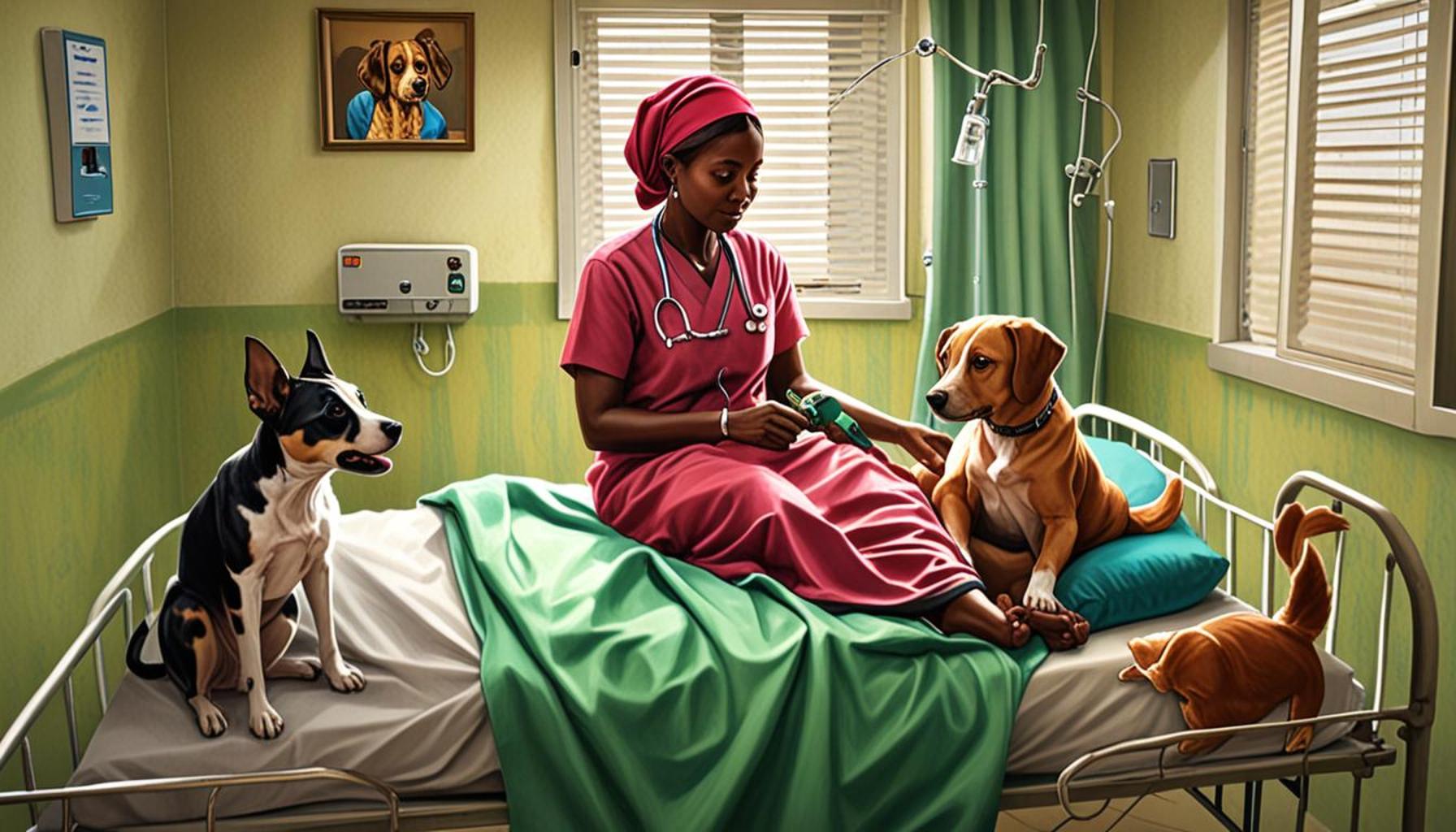
The Importance of Education on Pet Care for the Promotion of Public Health in Nigeria

Recognizing the Importance of Pet Care Education for Health Benefits
As the pet ownership landscape evolves in Nigeria, so does the imperative for proper pet care education. The relationship between pets and their owners is rich and multifaceted, emerging as a focal point that intersects with broader issues of public health. With the burgeoning population and urbanization in cities like Lagos, the need for effective pet care practices is more pressing than ever. This nexus of pet care and public health is essential as it equips communities to mitigate the risk of zoonotic diseases—conditions that can be transmitted from animals to humans.
One of the primary advantages of advancing pet care education is the prevention of diseases. Vaccination programs are vital; for instance, rabies, a serious zoonotic disease, can be effectively controlled through regular vaccinations for pets. Educating pet owners about the importance of these vaccines, coupled with regular veterinary check-ups, can help lower the incidence of diseases that threaten both animals and humans. Initiatives to promote such awareness can drastically reduce health risks within communities.
In addition, enhanced hygiene practices are pivotal in promoting healthy interactions between pets and their human companions. Simple habits such as frequent bathing of pets, regular cleaning of their living spaces, and proper disposal of waste can minimize the spread of parasites and bacteria. For example, educating owners about the importance of deworming their pets regularly can significantly mitigate the risks associated with parasitic infections such as toxocariasis, which can lead to severe health issues in humans, especially children.
Moreover, responsible pet ownership is another critical facet fostered through educational efforts. By emphasizing the importance of spaying and neutering pets, communities can see a decrease in the number of stray animals. Stray animals are often not only a nuisance but can also pose serious public health challenges, including increased transmission of diseases and complications with local wildlife. Awareness campaigns can inspire pet owners to adopt responsible practices, ensuring that pets are cared for and that public spaces remain safe and healthy for everyone.
Despite the undeniable benefits, a significant gap in knowledge persists among pet owners in Nigeria. Many individuals, particularly in rural areas, still lack access to comprehensive resources and education about appropriate pet care. This deficit can contribute to increased infection rates and other health complications associated with poor pet management. Thus, strengthening educational initiatives becomes imperative in empowering communities. This empowerment can reshape not only individual health management strategies but also enhance public health frameworks as a whole.
Through targeted educational programs, we can inspire pet owners to make informed decisions that bolster both their health and their pets’ well-being. A proactive approach in community outreach and engagement can lead to a dramatic transformation in individual lives, ultimately influencing the overall health landscape of Nigeria. Embracing this connection between pet care and public health could create a more informed, healthier society, benefitting both humans and animals alike.
Elevating Community Resilience Through Pet Care Education
As Nigeria grapples with a range of public health challenges, the significance of integrating pet care education into the public health dialogue becomes increasingly clear. The link between well-cared-for pets and a healthier community system opens new pathways for disease prevention and social well-being. A well-informed society can actively participate in practices that not only safeguard their health but also that of their pets, creating a balanced coexistence.
One key aspect of pet care education is *understanding the impact of pets on mental health*. Numerous studies have shown that pets provide emotional support and companionship, alleviating stress and reducing feelings of loneliness. Promoting responsible pet ownership can directly influence public health, as communities that foster positive human-animal interactions often see a rise in overall happiness and reduced rates of anxiety-related disorders. Educating pet owners about the benefits of spending quality time with their pets can nurture these important connections.
Additionally, the outreach from educational programs can help breed a culture of community responsibility. Community health initiatives that include pet care education encourage individuals to take ownership of their pets’ welfare, driving a collective momentum toward better public health outcomes. By bringing awareness to topics such as regular veterinary visits, *disease prevention*, and appropriate pet nutrition, communities can achieve greater health literacy. These elements play a crucial role in the holistic strengthening of public health frameworks. A ripple effect emerges where one well-educated pet owner influences their neighbors, gradually fostering an environment of shared knowledge.
The Role of Grassroots Initiatives
Grassroots initiatives can provide a platform for disseminating essential pet care information. Local organizations can host community events such as workshops and training sessions to cover critical topics, including:
- Basic Pet Care: Understanding dietary needs and proper grooming techniques.
- Health Monitoring: Recognizing early signs of illness in pets.
- Emergency Preparedness: What to do during health crises affecting pets.
- Community Health Links: How pet health contributes to overall public well-being.
Such programs can draw in diverse members of the community, creating an inclusive atmosphere for learning and shared experiences. With collaboration among local governments, veterinary services, and community centers, these initiatives can extend their reach, ensuring that even the most under-served areas in Nigeria receive essential education about responsible pet care.
This integrated approach not only addresses the immediate needs of pet owners but also introduces long-term strategies to build a more resilient community. By fostering a deep understanding of the interdependence between *animal health*, *human health*, and *public health*, these educational campaigns can instigate transformative change that resonates throughout Nigerian society.
| Category | Significance |
|---|---|
| Improved Pet Welfare | Education equips pet owners with knowledge on proper care, leading to healthier pets and reduced incidences of malnutrition and disease. |
| Community Health Benefits | Informed pet care practices minimize the spread of zoonotic diseases, ultimately promoting broader public health standards across communities in Nigeria. |
Education about pet care is vital in bridging knowledge gaps and fostering a strong link between animal health and public health. Many people in Nigeria may not fully understand the implications of improper pet care, such as the spread of diseases like rabies, which poses a direct threat to human health. Integrating animal care awareness into public health initiatives can significantly enhance the overall well-being of Nigerians. With increasing urbanization, pets have become integral to many households, thus there is a pressing need for comprehensive awareness programs focused on responsible pet ownership. These programs can educate individuals on the essentials of vaccines, nutrition, and hygiene, which are critical to maintaining a healthy pet population. Imagine the positive ripple effects this education could have—stronger pets lead to a healthier population. Understanding the nuances of pet care resonates not only in the immediate environment but influences community health landscapes in a profound way. Through community workshops, educational campaigns, and accessible resources, Nigeria can set a benchmark for innovative approaches towards pet care and its direct relation to public health dynamics.
Building a Healthy Human-Animal Bond for Enhanced Public Health
The education surrounding pet care also extends into creating a robust human-animal bond, which plays a critical role in community health. Pets, when well cared for, can significantly contribute to our physical health by encouraging owners to engage in more outdoor activities. Regular walks and playtime not only promote physical fitness for pets but also serve as an effective method for humans to combat sedentary lifestyles. In Nigeria, where urbanization has increased health issues such as obesity, leveraging pet ownership as a means to boost physical activity can provide a complementary approach to tackling these challenges.
Furthermore, educating pet owners about the proper disposal of pet waste is an important public health concern. Improper disposal can lead to hygiene issues and the spread of zoonotic diseases—those that can be transmitted between animals and humans. Training pet owners in safe waste disposal practices can significantly reduce the risk of disease outbreaks, benefitting the public health landscape overall. Just as education in sanitation and hygiene is crucial for human health, integrating pet care responsibilities into community health education can establish preventive measures that are easy to implement and promote.
The Interplay Between Veterinary Education and Public Health
Veterinary medicine’s role in public health cannot be overstated, as it encompasses not only the health of animals but also the promotion of a healthy environment for human residents. Programs that educate aspiring veterinarians about preventative care techniques such as vaccinations and parasite control can lead to healthier pets, which, in turn, results in healthier communities. In Nigeria, fostering a relationship between veterinary professionals and local communities can lead to better access to health resources for pets, enriching the overall health of the public.
Moreover, the Nigerian Veterinary Medical Association (NVMA) can play a vital role in this educational outreach. By organizing awareness campaigns that highlight the importance of vaccinations and regular check-ups, they can help dispel misconceptions about pet care and public health among pet owners. Collaboration between NVMA and schools can also bridge the gap in education, allowing children to learn about responsible pet ownership and its impact on community wellness from an early age.
Utilizing Social Media for Awareness and Education
In a rapidly changing digital world, social media has emerged as a powerful tool for spreading awareness about pet care education. Various campaigns focusing on responsible pet ownership can harness platforms like Facebook, Instagram, and Twitter to engage a broader audience. These platforms can serve as channels for sharing vital information about pet health issues, grooming best practices, and community events dedicated to animal welfare. Engaging graphic content and short videos can capture the interest of a younger audience, emphasizing the practical steps they can take to contribute positively to public health through pet care.
By utilizing these digital channels, Nigerian communities can foster dialogues around pet health, putting animal welfare at the forefront of public health discussions. Initiatives can also cite case studies pertaining to success stories where pet health education has led to improved public health outcomes, encouraging community members to become more involved. Such shared success can create a sense of collective responsibility and pride, linking pet care education directly with public health advancement.
Conclusion: A Collaborative Approach to Public Health Through Pet Care Education
In conclusion, the intertwining of education on pet care and public health promotion in Nigeria is not just beneficial; it’s essential. As outlined, nurturing a responsible relationship with pets can greatly enhance community wellness, offering numerous pathways to improve physical health, encourage outdoor activities, and foster a strong human-animal bond. Through informed pet ownership, individuals can mitigate health risks associated with zoonotic diseases and the improper disposal of pet waste, consequently creating healthier environments.
Furthermore, partnerships between veterinary professionals, educational institutions, and local communities are crucial. By emphasizing the importance of preventive measures, such as vaccinations and regular health check-ups, we can create a ripple effect that leads to optimized pet health and, in turn, a more robust public health infrastructure. The role of organizations like the Nigerian Veterinary Medical Association is pivotal in driving awareness campaigns that can reshape perceptions and behaviors towards pet ownership.
As we embrace the opportunities presented by modern communication channels, especially social media, we can amplify messages surrounding responsible pet care, engaging a wider audience. These platforms are invaluable for sharing best practices and fostering a sense of community around animal welfare. Ultimately, as Nigeria continues to face public health challenges, addressing pet care education as a parallel concern will empower individuals and communities alike to take proactive steps towards building a healthier society. The time to act is now—let’s unite for the sake of our pets and our public health.