The Importance of Reptile Breeds in Pet Education
A Deep Dive into Reptile Breeds for Enthusiasts
Reptiles are captivating creatures that provide not just companionship but also a window into the diverse world of nature. The growing popularity of reptiles as pets in Nigeria reflects a burgeoning curiosity about this unique class of animals. Understanding different reptile breeds not only enriches the pet owner’s experience but also fosters a more profound respect for biodiversity and ecological balance.
Each reptile species has its own specific needs, habits, and environmental requirements. A closer look at some common reptiles can reveal why they are favored by pet enthusiasts:
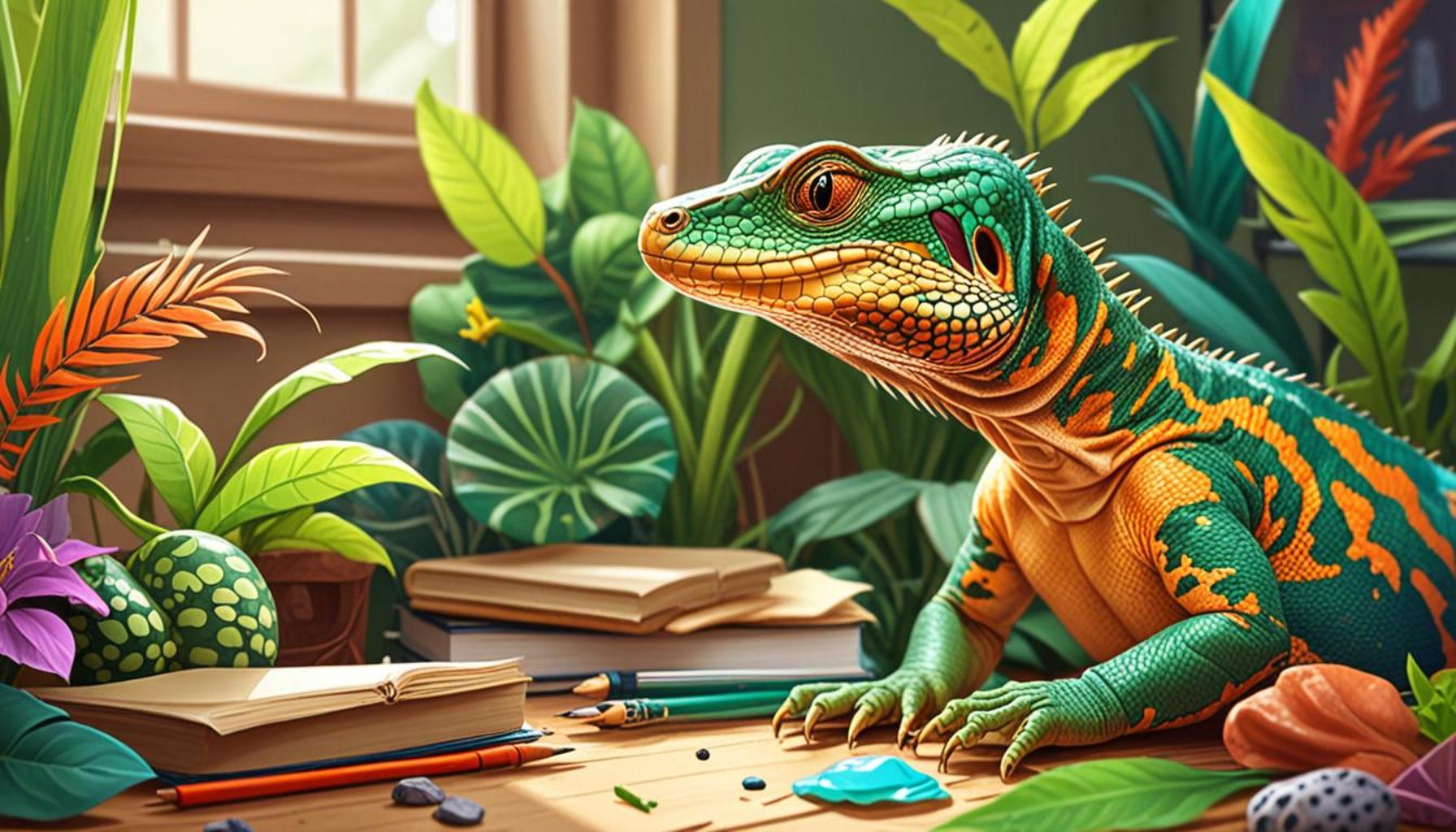
- Bearded Dragons: Hailing from Australia, these lizards have captured the hearts of many beginner reptile owners in Nigeria due to their docile nature and sociability. They thrive in an environment that replicates their natural habitat, requiring a basking area with adequate UVB lighting to support their overall health. Learning about their dietary needs, which typically include a mix of vegetables and insects, is essential for providing proper care.
- Ball Pythons: Known as the “gentle giants” of the snake world, Ball Pythons are famous for their calm demeanor and striking patterns. They make excellent pets, especially for those new to snake ownership. In Nigeria, where misconceptions about snakes abound, educating potential owners about the non-aggressive behavior of Ball Pythons can promote wider acceptance of these reptiles. Proper housing, including appropriate heating and humidity levels, is crucial for their well-being.
- Leopard Geckos: With their vibrant colors and easy-going nature, Leopard Geckos are a favorite among first-time lizard keepers. These nocturnal reptiles are relatively low-maintenance, requiring simple habitats with hides for security. Additionally, their fascinating behaviors, such as tail waving and vocalizations, often intrigue owners and make them engaging pets. Understanding their heat and dietary requirements is crucial to ensure they thrive.
By educating pet owners on these breeds, we can significantly enhance the level of care provided to reptiles. This knowledge not only equips current and prospective owners with the information they need, but also encourages responsible ownership practices that prioritize animal welfare. The ripple effect of effective pet education can foster a community of informed reptile enthusiasts committed to ethical treatment and habitat conservation.
Moreover, building connections with local communities, such as reptile clubs and veterinary professionals, can deepen one’s understanding of reptilian care and species-specific needs. Sharing personal experiences and challenges in caring for reptiles can lead to a supportive network that empowers both new and seasoned owners. Such collaborations can elevate the standard of reptile care in Nigeria and inspire a collective movement towards more sustainable practices.
Understanding Reptile Breeds: A Pathway to Responsible Pet Ownership
The journey into the world of reptile ownership demands more than just a fascination with these creatures; it requires an understanding of the specific requirements and unique attributes of different reptile breeds. Each species is not only diverse in appearance but also in its care needs, behavior, and role within its ecosystem. This knowledge is pivotal for anyone who wishes to provide a nurturing environment for their reptiles, ensuring they thrive and maintain a healthy lifestyle.
In Nigeria, as the interest in keeping reptiles as pets continues to grow, the significance of educating potential and current owners on these breeds becomes increasingly apparent. Proper education lays the groundwork for a more harmonious relationship between humans and reptiles, promoting both animal welfare and responsible pet ownership. Here are some key areas where understanding different reptile breeds can enhance pet education:
- Habitat Requirements: Different reptile breeds come with distinct habitat needs. For example, aquatic turtles require a water source with a filtration system, while terrestrial breeds like charming Bearded Dragons thrive in semi-arid environments. Knowing the ideal temperature, humidity, and space requirements is essential for replicating a reptile’s natural habitat and ensuring their well-being.
- Dietary Necessities: The nutritional needs of reptiles can vary significantly based on their species. Carnivorous reptiles, such as many snake species, require a protein-rich diet consisting of rodents or insects. Conversely, herbivorous reptiles like Leopard Geckos benefit from leafy greens and vegetables. Fostering an understanding of these dietary differences aids in preventing nutritional deficiencies that could jeopardize their health.
- Behavioral Traits: Recognizing the behavioral tendencies of various reptile breeds can enrich the owner’s experience and facilitate better interactions. For instance, understanding that Ball Pythons may prefer solitude and a secure hiding spot can help owners create a more suitable environment. This awareness can aid in avoiding stress-related behaviors and improve the overall quality of life for these animals.
By emphasizing these critical areas of education, pet owners can develop a more profound respect for the natural instincts and needs of reptiles. This journey begins with open dialogues and resources directed at demystifying the care required for these fascinating creatures. As more people become knowledgeable about reptile species, the potential for a shift in attitudes toward these pets increases, paving the way for a community that values conscious and respectful cohabitation.
Furthermore, engaging with local experts and resources, such as wildlife conservation organizations and pet shops specializing in reptiles, can further enhance understanding. Through workshops, webinars, and community events, reptile enthusiasts can equip themselves with the latest care techniques and conservation practices. This creates an informed community that not only cares for their pets but also advocates for the preservation of their natural habitats.
The Importance of Reptile Breeds in Pet Education
Reptile breeds play a crucial role in pet education, offering a unique perspective on animal care and management. Understanding different breeds not only helps potential reptile owners make informed decisions but also enriches their experience as pet caregivers. As educators, we can instill respect for these often misunderstood creatures and highlight their significance in the ecosystem. Here are some key advantages highlighted in the table below that further illustrate this point.
| Reptile Breed | Educational Benefits |
|---|---|
| Corn Snakes | Low-maintenance and easy to handle, they are ideal for beginners, providing hands-on experience in reptile care. |
| Bearded Dragons | Highly social and interactive, they teach responsibility by requiring regular handling and habitat cleanliness. |
| Leopard Geckos | Their unique behaviors can enhance observational skills and promote empathy towards non-traditional pets. |
As reptiles become more popular as household pets, the focus on their educational value continues to grow. Their adaptive nature and distinct requirements also challenge pet owners to research and understand the specific needs of their chosen breed more comprehensively. Each reptile breed offers insights into ecology, biology, and conservation issues, fostering a sense of responsibility in pet owners that can outweigh mere companionship. By exploring these advantages and understanding their unique characteristics, individuals can better appreciate the role of reptiles in the pet world, ultimately leading to improved animal care practices and a well-informed community. This educational journey not only benefits reptile owners but also contributes to broader conversations about wildlife preservation and environmental stewardship.
Expanding Knowledge: The Role of Reptile Breeds in Environmental Awareness
Understanding the diversity of reptile breeds not only enriches pet ownership but also fosters a greater awareness of environmental issues. As the global ecosystem faces unprecedented challenges, including habitat destruction and climate change, educating reptile owners about their pets’ species-specific needs can serve as a gateway to conservation efforts. By promoting an appreciation for reptiles, we can encourage pet owners to become advocates for wildlife preservation, particularly in regions like Nigeria where numerous native species face threats.
One significant aspect of this education involves recognizing the geographical origins of various reptile breeds. For instance, Nigeria is home to several native reptile species such as the Nigerian Bullfrog, which plays an essential role in its ecosystem. Understanding where a breed comes from not only informs the owner about its care requirements but also sparks interest in local biodiversity. This interest often translates into a commitment to protecting these species in their natural habitats, further emphasizing the connection between responsible pet ownership and environmental stewardship.
- Breeding and Ecology: Knowledge of the natural breeding habits of reptiles can offer critical insights into their ecological roles. Educated owners can better appreciate how their pets interact with their environment, influencing local wildlife populations and maintaining ecosystem balance. This understanding encourages ethical breeding practices, discouraging the capture of wild reptiles for the pet trade and promoting the use of captive-bred animals instead.
- Community Engagement: As reptile ownership grows in Nigeria, so does the need for community engagement. Local gatherings, online forums, and clubs can provide platforms for reptile enthusiasts to discuss care techniques, share resources, and advocate for best practices. Building a community dedicated to education fosters a culture of responsibility, where owners feel empowered to learn about and promote conservation efforts.
- Addressing Myths and Misconceptions: Misinformation about reptiles is prevalent, often leading to fear and misunderstanding. Education can serve as a powerful tool to dispel myths surrounding reptiles, such as misconceptions regarding their danger to humans or their suitability as pets. When owners understand that many reptiles can make excellent companions, they are more likely to share this knowledge and advocate for the ethical treatment of all reptile species.
The integration of educational resources can significantly elevate the level of understanding within the pet-owning community. Utilizing platforms like social media, blogs, and live demonstrations can help reach wider audiences, particularly in urban areas where interest in reptiles is surging. Engaging storytelling about local reptile breeds and their habitats can create strong emotional connections, leading to greater empathy towards these animals and the ecosystems they inhabit.
Furthermore, schools and educational institutions can benefit from incorporating reptile education into their science curricula. By teaching children about reptiles, their environmental significance, and how to care for them, we can cultivate the next generation of responsible pet owners and conservationists. Such initiatives can enhance community awareness and inspire future leaders who prioritize the welfare of both pets and the environment.
Conclusion: Fostering Responsible Reptile Ownership Through Education
The journey towards responsible pet ownership begins with a profound understanding of the importance of reptile breeds in pet education. As we have explored, an in-depth knowledge of these diverse species not only enhances the experiences of pet owners but also serves as a critical foundation for fostering environmental stewardship. By recognizing the unique needs and ecological significance of reptiles, owners are empowered to make informed decisions that benefit their pets and the broader ecosystem.
Educational initiatives that emphasize local reptile breeds—in Nigeria and beyond—can ignite a passion for conservation, urging pet owners to become proactive advocates for wildlife preservation. Furthermore, community engagement through clubs and online platforms creates a thriving network of enthusiasts who share best practices and debunk myths surrounding reptiles. Such a collective effort cultivates a culture where ethical treatment and conservation of both pets and wild species are prioritized.
Incorporating reptile education into the curricula of schools can magnify its impact, equipping the next generation with the knowledge and empathy needed to appreciate these often-misunderstood creatures. By instilling values of responsibility and respect for biodiversity at an early age, we can inspire future leaders who are dedicated not just to the welfare of pets, but also to the health of our planet.
As we promote a new narrative around reptiles—one that showcases their beauty, their roles in our ecosystems, and their potential as loving companions—we highlight the pressing need for education. Let us recognize that every effort made to understand and appreciate reptile breeds contributes to a larger conversation about conservation and coexistence, thus paving the way for a future where both pets and the environment can thrive.