The Importance of Socialization for the Well-Being of Pets
The Importance of Social Interaction for Pets
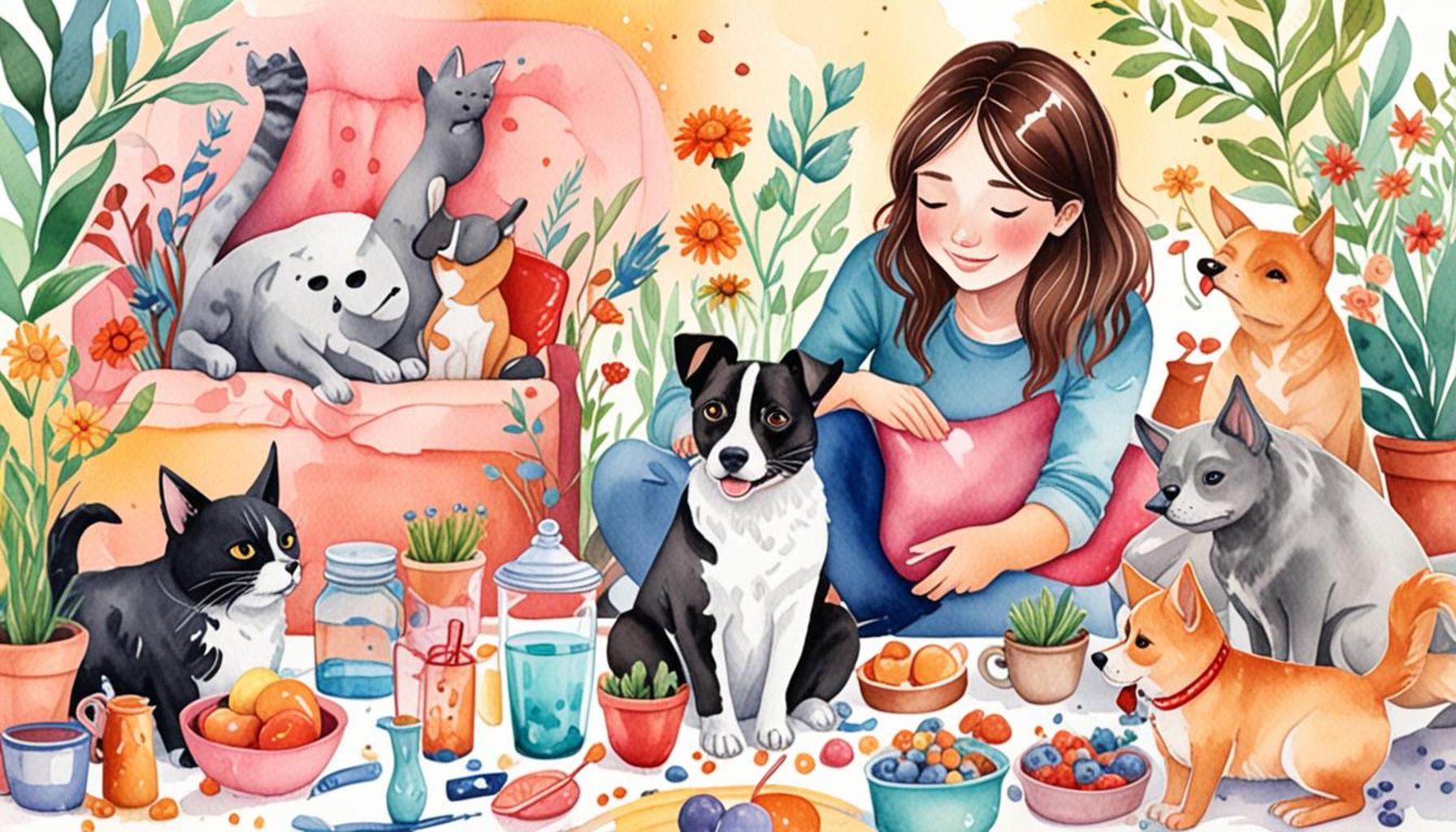
Bonding with their owners is a crucial aspect of a pet’s life, and this bond is significantly enhanced by socialization. For our furry companions, exposure to other animals and people is essential for maintaining both emotional stability and mental well-being. When pets engage with diverse environments and individuals, they develop adaptive behaviors that can lead to happy, responsible companions.
As pet ownership in Nigeria grows, the importance of socializing pets cannot be overlooked. Increasing numbers of households are welcoming dogs, cats, birds, and even exotic pets into their families. With this shift comes the responsibility to ensure these animals are well-adjusted and can handle various human and animal interactions. A well-socialized pet not only enhances its own life but also contributes to a more harmonious community.
Key Benefits of Socialization
Socialization offers a multitude of benefits, some of which include:
- Improved Behavior: A key advantage of socialization is that pets are generally more well-adjusted. Well-socialized animals often exhibit fewer behavioral problems, such as aggression, fear of strangers, or excessive barking. For instance, a dog that regularly interacts with other dogs will learn appropriate play behaviors, leading to fewer conflicts and a more agreeable temperament.
- Enhanced Communication: Through socialization, pets learn to interpret and respond to cues from their environment, including body language of people and other animals. This heightened awareness can prevent misunderstandings that might lead to anxiety or fear responses, allowing for smoother interactions in busy areas, such as markets or parks in vibrant cities like Lagos.
- Increased Trust: Regularly interacting with a variety of people and animals fosters trust, which is essential for effective training and care. A dog that trusts its owner is more likely to respond positively to commands and enjoy activities, such as grooming or vet visits, making pet ownership a more pleasant experience.
As responsible pet owners, it is important to recognize how these benefits contribute not just to the vitality of our pets but also enrich our relationships with them. From puppy playdates in neighborhood parks to larger organized pet events, like the Nigerian Pet Expo, there are ample opportunities for our pets to socialize. Engaging in these activities not only provides necessary social interaction for pets but also creates an avenue for pet owners to connect, share experiences, and learn more about pet care.
In conclusion, investing time in socializing our pets leads to healthier and happier lives for both animals and their owners. By prioritizing this vital aspect of pet care, we not only enhance our pets’ well-being but also enrich our shared experiences, creating memories that last a lifetime.
Understanding the Role of Socialization in Pet Life
Socialization is not just an optional aspect of caring for pets; it is a fundamental component of their well-being. The initial stages of a pet’s life, particularly during their formative months, significantly influence their behavioral patterns for years to come. Research indicates that pets, especially dogs and cats, who experience diverse social environments early in their lives exhibit less anxiety and are more adaptable to new situations. This initial exposure can profoundly shape a pet’s personality and coping mechanisms, leading to a more stable and confident adult companion.
For instance, puppies that are introduced to different people, sounds, and environments typically grow into well-rounded adults who can handle unfamiliar situations without fear or aggression. Conversely, a lack of social interaction often results in behavioral issues that can challenge both the pet and the owner. In Nigeria, where vibrant social and market environments are a part of daily life, well-socialized pets can navigate these spaces with ease, making outings more enjoyable for everyone involved.
Socialization Techniques for Pet Owners
Pet owners can employ various socialization techniques to ensure their furry companions thrive. Here are some effective methods:
- Puppy and Kitten Classes: These sessions are structured to expose young pets to new experiences in a supervised and controlled environment, promoting interaction with other animals and people.
- Playdates: Coordinating with other pet owners for playdates can provide a natural setting for pets to engage in playful interactions, fostering social skills and appropriate behaviors.
- Community Events: Participating in local events, such as pet fairs or dog shows, gives pets an opportunity to meet a variety of new faces while exploring stimulating environments.
- Daily Outings: Regular walks in bustling neighborhoods or parks not only provide physical exercise but also expose pets to different sounds, sights, and smells, enriching their experiences.
As these approaches highlight, the responsibility of pet owners goes beyond feeding and shelter; engaging with pets on a social level is paramount. Additionally, as the community in Nigeria becomes more pet-friendly, the welfare of pets can directly correlate to the satisfaction of their owners. A dog that happily interacts with a neighbor can lead to meaningful conversations, diving into shared interests and creating a tighter-knit community.
In summary, understanding the immense benefits of socialization for pets can lead to a positive ripple effect, promoting not only healthier companions but also creating bonds between pet owners that can enhance overall community ties. By embracing socialization as a key element of pet care, owners contribute to both the emotional richness of their pets’ lives and the vibrancy of their community.
| Category | Key Features |
|---|---|
| Enhanced Behavior | Socialization greatly improves a pet’s behavior, reducing anxiety and fear, which helps in creating a more harmonious relationship with humans and other animals. |
| Mental Stimulation | Engaging with other pets and people provides pets with mental stimulation, which is crucial for their overall psychological well-being. This exposure helps them to adjust to various environments. |
Socialization is an ongoing process that significantly contributes to the overall health and happiness of pets. Pets that are socialized tend to exhibit a spectrum of desirable traits, including confidence and curiosity. For instance, dogs that engage with other dogs at a young age are less likely to develop aggression or excessive fear when encountering unfamiliar environments later in life. This interactive experience not only broadens their perspectives but also equips them to handle various social situations with ease.Moreover, socialization positively impacts pets’ physical health. Diseases and stress can manifest in pets that lack interaction or are isolated, leading to behaviors that may result in destructive tendencies. Providing opportunities for pets to meet new friends—be it at a local park or through organized playdates—can mitigate these risks and ultimately promote a more balanced lifestyle. In the realm of pets’ socialization, establishing routines or enrolling them in courses focusing on social skills can be pivotal. Such educational elements underpin their ability to adapt swiftly, demonstrating that social experiences shape animals into more well-rounded companions. It’s vital for every pet owner to understand that prioritizing socialization is not merely a task, but rather a rewarding investment in their pet’s well-being.
The Consequences of Inadequate Socialization for Pets
While the benefits of socialization are clear, the consequences of neglecting this vital aspect of pet care can be severe. Lack of exposure to various stimuli and interactions can lead to a range of behavioral problems, including aggression, anxiety, and fearfulness. According to veterinary behaviorists, pets that miss critical socialization windows may develop long-term issues that complicate daily living for both the animal and owner.
For example, dogs that are not properly socialized may exhibit signs of fear aggression towards unfamiliar people or other animals. A study published in the Journal of Veterinary Behavior revealed that 73% of dogs with socialization deficits displayed aggressive behaviors in new situations. This not only poses risks to socially anxious dogs but also to their owners and the general public. In urban areas like Lagos, where bustling activity and crowded environments are commonplace, having a well-socialized pet can be crucial for avoiding confrontations and ensuring smooth interactions with the community.
Similarly, cats, though often perceived as more independent, also need socialization to prevent behavioral issues such as litter box problems and excessive hiding. These issues frequently stem from a lack of exposure to different people and environments during their early growth stages. Well-socialized cats are generally more confident and less likely to display stress-related behaviors, enhancing their overall quality of life.
Strategies for Overcoming Socialization Challenges
For pet owners who recognize that their pets may not have received adequate socialization, there are practical steps they can take to remedy the situation. These strategies involve gradual exposure and positive reinforcement.
- Desensitization: Slowly introducing pets to new stimuli—such as different noises, scents, and sights—can help them adjust without feeling overwhelmed. For instance, a dog afraid of fireworks can be gradually exposed to recordings of such noises, starting at a low volume and increasing as the pet becomes more comfortable.
- Positive Reinforcement: Rewarding pets for calm behavior when encountering new experiences can reinforce positive associations. For example, offering treats or praise when a dog meets another dog can create a favorable link between the encounter and the reward, making future meetings less daunting.
- Professional Assistance: Sometimes, the assistance of a certified animal behaviorist or trainer can facilitate socialization. These professionals offer tailored strategies that can address specific fears or anxiety issues in pets.
- Consistency: Regularly incorporating socialization opportunities into a pet’s routine helps maintain their comfort levels. Dog owners can visit parks, join training classes, or even engage in community dog walking groups, all of which promote ongoing social interaction.
For many pet owners in Nigeria, embracing socialization techniques can turn typical outings into positive experiences that foster genuine bonding between pets and their owners. By investing time in the right socialization methods, the emotional health of pets can improve remarkably, enhancing their capacity for joy and engagement with their surroundings.
Conclusion: Enhancing Pet Well-Being Through Socialization
In summary, socialization is a cornerstone of ensuring the well-being of pets. It shapes their behavior, confidence, and ability to interact positively with the world around them. By actively engaging pets in socialization experiences, owners can mitigate risks associated with fear and aggression, providing a safer, happier environment for both pets and communities. The implications of inadequate socialization are not to be taken lightly; behavioral issues stemming from neglect can lead to distressing challenges that affect daily life.
As seen in urban settings like Lagos, where encounters with diverse stimuli are frequent, having a well-socialized pet is crucial for seamless integration into community life. The responsibility lies with pet owners to prioritize socialization strategies, such as desensitization and positive reinforcement, that help foster emotional resilience in their furry companions. Importantly, seeking professional guidance can offer tailored solutions that address unique challenges pets may face.
As we continue to explore the importance of socialization for the well-being of pets, it becomes evident that investment in these techniques sparks not only behavioral transformation but also deepens the bond between pet and owner. This relationship is crucial as it unleashes the potential for joy and connection, encompassing the very essence of a fulfilling companionship. Ultimately, dedicated socialization paves the way for happier, more balanced pets, enriching their lives and those of their owners.