The Influence of Social Media on Pets’ Behavior and Training in Nigeria
The Role of Social Media in Shaping Pet Ownership in Nigeria
In the vibrant and rapidly evolving digital landscape of Nigeria, social media has emerged not just as a tool for communication, but also as a pivotal force in the world of pet ownership. Platforms such as Instagram, Facebook, and TikTok have made it increasingly accessible for pet parents and enthusiasts to share insights, experiences, and innovations related to pet care and training. As these platforms gain popularity, they influence a multitude of practices surrounding pet behavior modification, substantially changing how Nigerians engage with their furry companions.
Exposure to Diverse Training Techniques
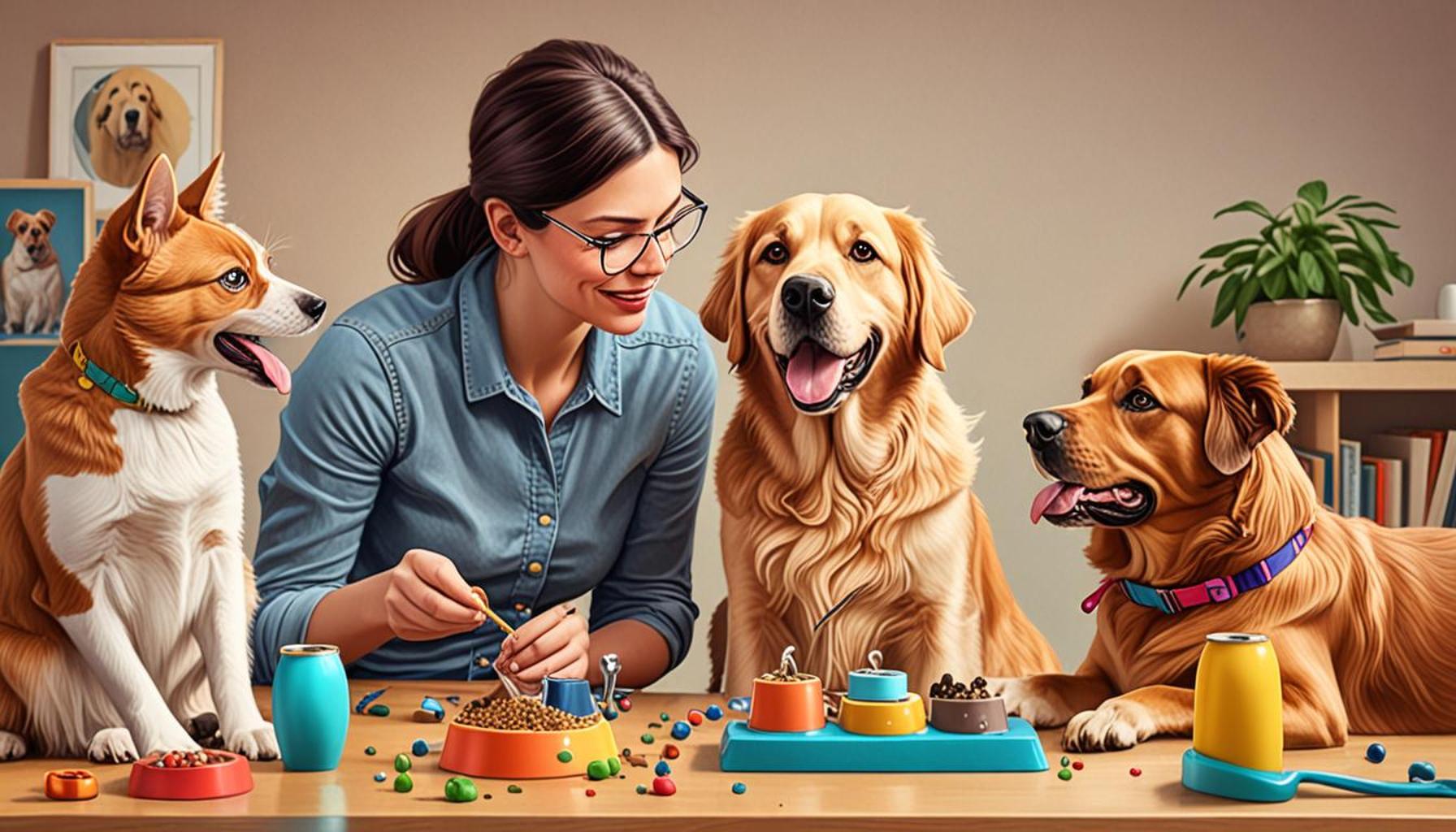
One of the most significant impacts of social media on pet ownership in Nigeria is the easy access to a variety of training techniques that may be unfamiliar. For instance, traditional Nigerian methods of training often relied on rudimentary approaches or tips passed down through generations, which may not always align with modern behavioral understanding. However, social media has introduced innovative training methods from all over the globe, such as positive reinforcement and clicker training. Pet owners can now explore thousands of videos demonstrating these techniques, allowing them to create a tailored training routine suitable for their pets. For example, a viral video might showcase a simple technique to train a dog to fetch or even perform tricks, inspiring countless owners to try it out.
Community Support
Another profound effect of social media is the sense of community it fosters among pet owners. Online forums and groups provide a space for sharing experiences, challenges, and victories, creating a support network that transcends geographic boundaries. Pet owners in Nigeria can connect with seasoned trainers and pet parents from different cultures, all while gaining valuable input on training strategies and pet care. These interactions are especially beneficial in urban areas like Lagos and Abuja, where pet ownership is on the rise and resources might be limited. Local communities often organize meet-ups and events through social media platforms, enabling owners to socialize their pets and share knowledge in a fun, engaging environment.
Viral Trends
Social media is also known for its ability to spark fast-moving trends, and this is no different in the pet world. New training fads can go viral overnight, encouraging owners to experiment with unconventional practices. For instance, the “doggy yoga” trend gained traction on TikTok, urging pet owners to engage in yoga with their dogs as a means of bonding and relaxation. While such trends can provide novel experiences, they may also lead to owners adopting practices without fully understanding their benefits or potential drawbacks.
Raising Awareness and Standards
The digital influence extends beyond just training techniques or community support. Social media has raised awareness regarding pet welfare, prompting owners to consider their responsibilities more seriously. Awareness campaigns about issues such as sterilization, proper nutrition, and mental stimulation have gained momentum online, resulting in better-informed pet owners. This shift in perception can lead to enhanced welfare standards, encouraging owners to ensure their pets are not just surviving but thriving.

Challenges and Misinformation
Despite the intrinsic benefits of social media, it also poses certain challenges for pet owners. The risk of encountering inaccurate training tips is prevalent, as influencers or novices may promote techniques that are harmful or unsuitable for specific breeds. For instance, using aversive training methods can cause unnecessary stress and anxiety in pets. Moreover, the pressure to conform to trending practices can lead to owners feeling compelled to use certain techniques that may not align with their individual pet’s needs, potentially jeopardizing their pet’s well-being.
Conclusion
As Nigeria embraces the evolving digital landscape of pet ownership, understanding the intersection of social media and pet behavior becomes crucial. By discerning effective practices from fads and misinformation, Nigerian pet owners can aptly navigate this new terrain, ensuring that their pets not only benefit from these advancements but also enjoy happy and fulfilling lives. With ongoing exploration and adaptation, social media can serve as a powerful ally in creating a more informed and compassionate community of pet owners throughout the country.
Exploring Modern Training Techniques in Pet Care
The surge of social media presence among pet owners in Nigeria has brought about a remarkable transformation in the way animals are trained and cared for. Pet owners now have unparalleled access to a plethora of training resources that were once out of reach. With just a few clicks, they can view thousands of tutorial videos, live demonstrations, and expert advice tailored to the unique needs of Nigerian pets. Social media acts as a bridge between traditional knowledge and innovative practices, allowing users to combine various approaches for effective training.
Effective Training Strategies at Your Fingertips
Present-day pet owners are increasingly turning to social media to discover effective training strategies that resonate with their specific cultural contexts. Techniques that focus on positive motivation, such as clicker training and reward systems, have gained traction across platforms like Instagram and TikTok. By showcasing personal experiences, many pet owners share results they achieved with these methods to inspire others. With ample resources available online, it is not uncommon to find a Nigerian pet owner posting about successfully teaching their dog to respond to commands or tricks using positive reinforcement methods.
Adequate Virtual Guidance and Support
Within the realm of social media, Nigerian pet owners can connect with experienced trainers, breeders, and veterinarians who share valuable insights about pet behavior and welfare. Online communities and support groups enable these individuals to share their frustrations, celebrate successes, and obtain feedback from peers who face similar challenges. This virtual support network extends beyond training practices, allowing pet owners to discuss topics such as nutrition, health care, and even socializing pets. Contributing to the discussions or asking questions within these groups can expose owners to unique perspectives and solutions rooted in diverse cultural contexts.
The Influence of Popular Culture on Training Trends
As social media continues to shape modern pet ownership, it contributes to the emergence of new training trends that often reflect popular culture. For example, challenges and themes, such as “pet influencer” phenomena, have taken off, with some pet owners flaunting their pets’ talents to gain followers. This environment pushes owners to adopt or experiment with trending training methods to stay relevant. Such viral trends, like dancing with their pets or teaching animals to perform synchronized tricks, highlight the creative bond between pets and their owners. However, while these trending practices might be entertaining, not every technique may be suitable for every pet.
Challenges Posed by Misinformation
While the advantages of social media in pet training are evident, the rapid dissemination of information also introduces significant challenges. The prevalence of misleading or outdated information can pose risks to pet welfare. Some pet owners may unwittingly adopt harmful practices highlighted by influencers who lack the necessary qualifications. For instance, training methods promoting dominance may not only be ineffective but could also exacerbate behavioral issues in pets. Therefore, pet owners in Nigeria must exercise caution and conduct thorough research before adopting new techniques.
Ultimately, social media has undoubtedly enriched the lives of pets and their owners in Nigeria but navigating the complex landscape of information requires vigilance and discernment. As trends evolve and new practices emerge, the challenge lies in distinguishing between beneficial techniques and harmful fads, thus ensuring a fulfilling relationship with their pets.
| Category | Insights |
|---|---|
| Behavioral Change | Social media fosters community awareness on effective training techniques and behavioral insights for pets. |
| Training Resources | Access to a plethora of online tutorials enables pet owners to train their animals more efficiently, resulting in well-behaved pets. |
The dominance of social media in Nigeria has reshaped not just communication but also the interaction between pet owners and their animals. Users frequently share personal experiences, effective methods, and transformative stories, leading to widespread adoption of better training practices. This digital camaraderie equips pet owners with valuable insights into understanding their pets’ emotions and behavioral cues, something that traditional training methods often overlook.Moreover, the vast array of content available allows Nigerian pet owners to explore various approaches, from positive reinforcement techniques to more structured training programs. As trends emerge, it becomes easier for owners to determine which methods align with their pet’s individual personality traits and needs. The influence of social media extends beyond mere pet-related content; it creates a platform for dialogue, discussion, and collective learning. Pet enthusiasts are harnessing their online engagement to create local training communities where individuals share not only knowledge but also resources such as recommended supplies and local trainers. In a rapidly evolving social media landscape, such interactions foster a deeper understanding of pet behavior and contribute to responsible pet ownership in Nigeria.
The Role of Social Media in Shaping Pet Ownership Trends
Social media has become an essential tool not only for training pets but also for influencing broader pet ownership trends in Nigeria. Platforms like Facebook, Twitter, and YouTube have given rise to vibrant communities where pet enthusiasts thrive, sharing tips, showcasing pets, and discussing challenges. As a result, a distinct presence of trending breeds—such as the French Bulldog or the Shih Tzu—has emerged. These trends are often driven by viral posts showcasing their adorable antics, leading potential buyers to opt for breeds celebrated online. This dynamic has sizable implications for breeders and supply chains, affecting availability and pricing.
Promoting Responsible Pet Ownership
Importantly, social media also serves as a platform for raising awareness about responsible pet ownership and welfare. Numerous campaigns and influencers advocate for adopting pets from shelters, promoting spaying and neutering, and educating owners about responsible care practices. For instance, hashtags like #AdoptDontShop have caught on in Nigeria, encouraging a shift in mindset around pet acquisition. This single awareness campaign showcases how social media can dive into deeper issues related to animal welfare, promoting responsible practices among pet owners and discouraging the exploitation of certain breeds in the market.
Interactive Learning Experiences
Another fascinating dimension of social media is the interactive learning experiences it provides. Pet owners can now engage in live Q&A sessions with trainers, veterinarians, and animal behaviorists through platforms like Instagram Live or Facebook Live. Such interactions allow pet owners to seek real-time advice on specific behavioral issues—whether it’s dealing with excessive barking, anxiety, or leash training. These opportunities offer a blend of traditional knowledge and modern-day accessibility, allowing for on-the-spot solutions that would otherwise require booking an appointment miles away.
Cultural Influences and Regional Nuances
Social media’s involvement in pet training is also influenced by Nigeria’s rich cultural diversity. Various regions exhibit distinct attitudes towards pets that reflect local customs and practices. In urban areas, pets might be viewed as companions or fashionable accessories, while in rural settings, they are often seen as working animals with specific roles. Content creators in Nigeria often create videos and posts that resonate with these cultural nuances, showcasing how different breeds are trained to match the owner’s lifestyle or the community’s expectations. This integration of culture enriches the training landscape, making it more relatable and applicable for diverse audiences.
The Digital Divide: Challenges in Rural Areas
However, it is crucial to recognize that the benefits of social media are not entirely universal. The digital divide remains a notable challenge, particularly in rural regions where access to the internet is limited. Consequently, many pet owners may miss out on valuable information or innovative training techniques available online. In such circumstances, local community centers or veterinary clinics can serve as a bridge, connecting rural pet owners with online resources or even hosting workshops that utilize social media content. This collaborative effort can amplify the reach of positive influences and bring new methods directly to those who need them the most.
As social media continues to shape the relationship between pets and their owners in Nigeria, it fosters a rich exchange of knowledge, culture, and resources. Consequently, it plays a pivotal role in evolving the pet care narrative while addressing the specific needs of diverse communities across the country.
Conclusion
In summary, the impact of social media on pets’ behavior and training in Nigeria is both profound and multifaceted. Through online platforms, pet owners gain access to a treasure trove of resources, enabling them to engage in more effective training practices while fostering deeper connections with their furry companions. The rise of online communities not only brings pet enthusiasts together but also encourages responsible ownership and awareness of animal welfare issues. The spread of campaigns like #AdoptDontShop highlights the power of social media in shifting public perceptions towards animal care and adoption.
Moreover, the interactive nature of platforms such as Instagram and Facebook allows for real-time learning, significantly enhancing the support pet owners receive. This is especially important in a country as diverse as Nigeria, where cultural nuances influence pet care practices. By catering to various lifestyle needs and respecting local customs, social media has made pet ownership more relatable and accessible.
However, while the benefits are undeniable, the challenge of the digital divide must not be overlooked. Ensuring that even those in rural areas can tap into these resources is essential for the overall advancement of pet care. Hence, integrating community efforts with online resources can bridge this gap, fostering an inclusive environment for all pet owners.
Looking ahead, the synergy between social media and pet ownership in Nigeria holds significant promise for reshaping the landscape of pet behavior and training. As digital trends continue to evolve, pet lovers are encouraged to explore these platforms actively and contribute to building a healthier, more informed community of pet owners.