The Role of Hydration in Pet Nutrition
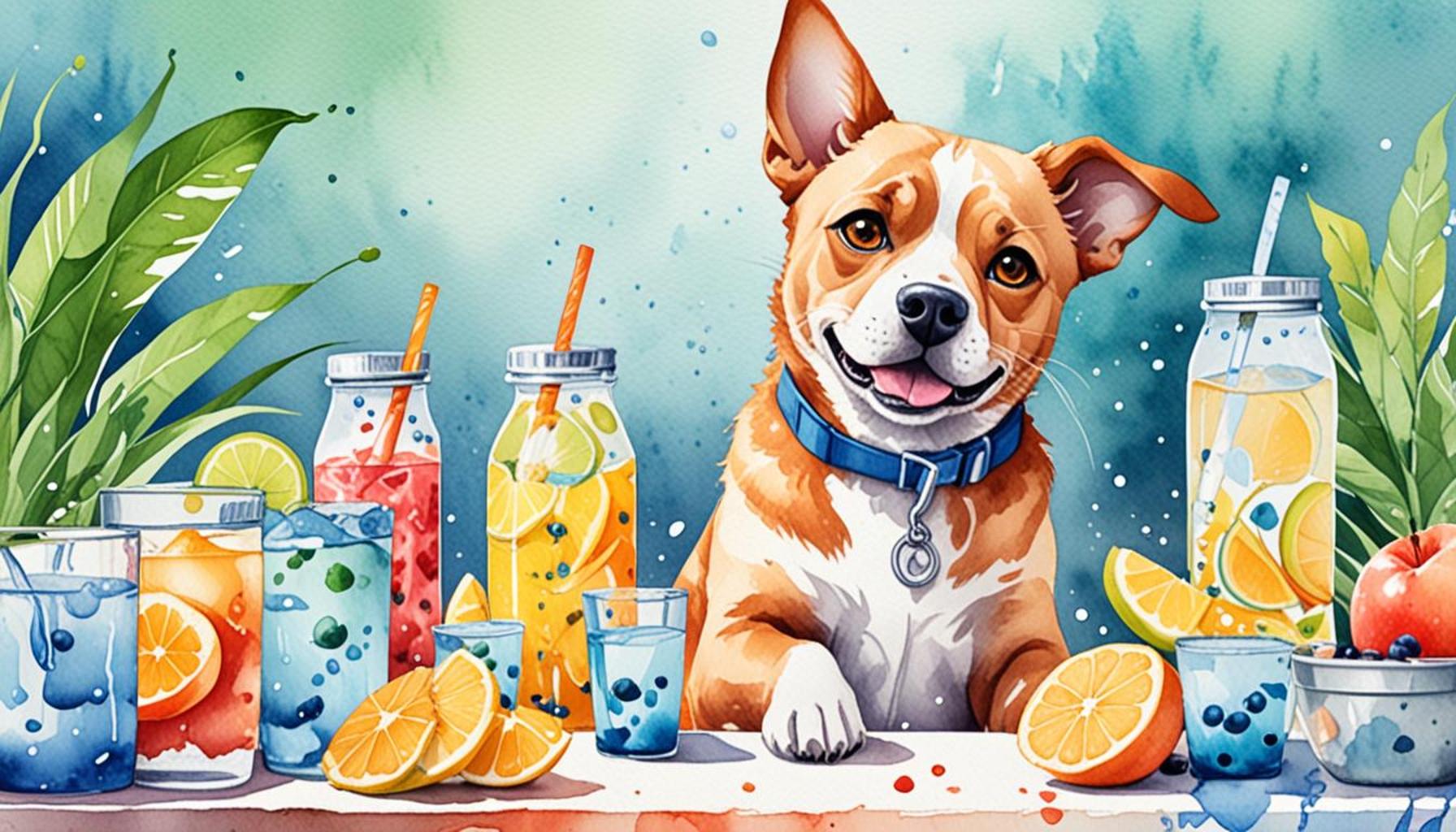
The Significance of Adequate Hydration for Pets
Water is often described as the essence of life, but it holds a particularly vital role in the world of pet nutrition. Just like humans, our pets rely on adequate hydration to maintain health, energy, and overall well-being. Understanding the impact of water on pet nutrition can lead to better care for our furry companions. In Nigeria, where the climate can be hot and humid, the need for proper hydration is crucial, particularly for those living in areas where temperatures can soar to uncomfortable highs.
Hydration is not merely about drinking water; it encompasses a range of bodily functions that influence a pet’s overall health. Here are several key reasons why keeping your pets well-hydrated should be a priority:
- Regulates Body Temperature: Pets, particularly dogs and cats, can overheat quickly, especially during the hot months. Proper hydration helps maintain normal body temperature, preventing overheating. Signs of heat stress can include excessive panting, lethargy, and even vomiting. Providing shade, fresh water, and avoiding strenuous exercise during peak sun hours can greatly help.
- Aids Digestion: Water is crucial for digestive processes and nutrient absorption. A well-hydrated pet digests food more efficiently, leading to better nutrient uptake and overall health. Dehydration can lead to constipation or digestive disorders, issues that are not only uncomfortable but can also lead to more serious health concerns if not addressed.
- Supports Kidney Functions: Sufficient water intake is essential in filtering toxins and waste out of the body. In Nigeria, where certain diseases are prevalent, ensuring your pet drinks enough water can help fend off potential kidney issues. Dehydrated pets may face an increased risk of urinary tract infections and bladder stones, conditions that can cause immense pain and require costly veterinary interventions.
As a pet owner in Nigeria, it is crucial to recognize the signs of dehydration in your furry companion. Many pet owners may overlook hydration indicators, which can lead to serious health issues. Some easy ways to monitor hydration include checking your pet’s paw pad moisture; dry paws can be a sign of dehydration. Additionally, examining their urine color can also provide valuable insights. A well-hydrated pet typically has light yellow urine, while dark yellow or amber indicates a need for more fluids.
Moreover, some pets may be predisposed to drinking less water, especially if they’re on dry kibble diets. In these cases, you can enhance hydration by adding wet food to their meal plan or ensuring they have access to fresh, clean water throughout the day. Using water fountains can also encourage pets to drink more, as many animals prefer fresh running water over stagnant sources.
In conclusion, staying vigilant about your pet’s hydration can pave the way for a healthier, happier life for them. Armed with this knowledge, pet owners can take proactive steps to ensure their beloved companions are well-hydrated, improving not just their physical health but also their overall quality of life.
Understanding the Impact of Hydration on Pet Health
In the diverse landscape of pet nutrition, hydration stands out as a fundamental element that is often overlooked. The traditional focus on dry food, which is prevalent in many Nigerian households, can inadvertently lead to inadequate water intake for our beloved pets. This can have severe consequences for their health and longevity. Understanding the intricacies of hydration can transform how we feed and care for our furry friends.
Why Hydration Matters
Water is critical for virtually every bodily function in pets. Its significance extends beyond mere thirst quenching; it supports cellular processes, regulates bodily functions, and aids in various metabolic activities. To paint a clearer picture, here are some significant roles hydration plays in pet health:
- Enhances Nutrient Transport: Hydration is essential for the transportation of nutrients throughout the body. Water helps dissolve essential vitamins and minerals, enabling them to be absorbed effectively. This nutrient-rich blood then circulates through the body, nourishing every organ and tissue.
- Boosts Energy Levels: Just like humans, pets require adequate hydration to maintain their energy levels. Dehydrated pets may exhibit fatigue and a lack of enthusiasm for their usual playtime activities. Ensuring your pet is hydrated can lead to increased vitality and an improved mood.
- Fits into a Balanced Diet: Water works synergistically with food to optimize overall health. A balanced diet, complemented by hydration, improves digestion and helps to prevent associated health problems. Particularly in the warmer Nigerian climate, maintaining hydration can prevent sluggishness and bolster your pet’s immune system.
Additionally, it is worth noting that some breeds are more prone to dehydration than others. For instance, brachycephalic breeds like Bulldogs and Pugs may struggle with better water intake due to their facial structure. Alternatively, outdoor pets, especially those engaged in active play, are at greater risk for dehydration, especially in searing temperatures, common in Nigeria’s climate. Thus, owners should be cognizant of the tell-tale signs—dry gums, lethargy, and decreased urination are foundational indicators that a pet may need more water.
Adapting Hydration Strategies
To foster better hydration among pets, owners must adapt their strategies, especially considering the cultural diets prevalent in Nigeria. For instance, incorporating a mixture of wet and dry food can significantly elevate water consumption without needing to alter their meals entirely. Additionally, providing them with flavored water or adding electrolyte solutions specifically designed for pets can stimulate interest in drinking.
The introduction of feeding schedules that coincide with hydration times may also lead to better water intake. By observing your pet’s habits, you can discern when they are most likely to drink and leverage that for optimal hydration. For example, after meals or during or after playtime may be the right times to encourage them to sip more water.
In conclusion, recognizing the profound role hydration plays in pet nutrition is the first step toward fostering a healthier life for your furry companions. Through awareness and strategic changes in feeding and hydration practices, pet owners can combat dehydration and ensure their pets enjoy a long, active, and healthy life.
| Hydration Sources | Importance for Pets |
|---|---|
| Fresh Water | Essential for maintaining physiological balance in pets, helps in digestion and nutrient absorption. |
| Wet Food | Provides additional moisture, which contributes to optimal hydration levels and kidney health. |
| Broth & Natural Juices | Enhances flavor while ensuring pets stay adequately hydrated, especially during hot weather. |
| Moisture-Rich Treats | Encourages pets to drink more, promoting overall health and preventing dehydration. |
Understanding the sources of hydration can significantly impact a pet’s well-being. Fresh water is the primary and most crucial source, yet incorporating wet food and moisture-rich treats can further enhance hydration. The benefits extend beyond just thirst quenching; they play a pivotal role in digestion, kidney function, and overall nutrient absorption. Offering variety through broths and natural juices not only provides hydration but also entices picky eaters, encouraging them to fluid intake. It is vital for pet owners to monitor their pet’s hydration habits closely to ensure that their furry friends remain healthy and active. Moreover, the effects of dehydration can be severe, leading to a host of health issues. Understanding the role of hydration in pet nutrition is necessary for ensuring optimal health and longevity for pets, encouraging owners to take a proactive approach in their pets’ diets.
Hydration as an Integral Component of Complete Pet Nutrition
Delving deeper into hydration in pet nutrition, it becomes clear that simply providing fresh water isn’t enough for optimal pet health. The type and quality of water, as well as how we incorporate it into our pets’ diets, play crucial roles in their overall well-being. In Nigeria, where temperatures can soar, ensuring effective hydration strategies becomes ever more critical.
Water Quality Matters
Just as the quality of food impacts your pet’s health, so does the quality of water. Clean, safe water devoid of contaminants is vital for your pet’s health. Water sourced from questionable origins can introduce bacteria or harmful minerals that compromise the hydration process and lead to gastrointestinal issues or larger systemic problems. Ensuring that your pet consumes filtered or purified water can mitigate these risks.
Additionally, pets tend to drink less if the water is stale or has an unpleasant odor or taste. Regularly changing your pet’s water and ensuring that their bowl is clean encourages more frequent drinking. Some pet owners have found that using pet water fountains or automatically refilling bowls not only keeps the water fresh but also attracts pets to drink more frequently due to the movement of water. This implementation can play a significant role in combating the dehydration trend observed in many households.
Hydration and Diet Synergy
It’s essential to recognize that hydration is not solely dependent on drinking water. Certain food types inherently contribute to hydration levels. Wet food varieties or “pet wet meals” have higher moisture content, making them a fantastic choice for enhancing hydration. In Nigeria, where traditional diets often center around dry kibble, introducing wet food can be a simple yet effective way to boost your pet’s fluid intake. Look for commercially available pet foods that mention high moisture content in their nutrient profiles, or consider incorporating homemade meals rich in liquids such as broth or blended vegetables.
As a pet owner, exploring the benefits of switching between wet and dry food can reveal improvements not only in hydration but also in overall health metrics such as coat quality and energy levels. For instance, a balanced diet that includes both forms of nourishment ensures pets not only hydrate efficiently but also enjoy varied textures and flavors, always keeping their mealtime experience stimulating.
Climate-Sensitive Hydration Needs
In a country like Nigeria, where the heat can be relentless, climate plays a pivotal role in hydration needs. As temperatures rise, so does the likelihood of dehydration due to increased sweating and loss of fluids through panting, especially in active pets. Regular monitoring of your pet’s well-being during hot periods is essential. For instance, enrichment activities should be adjusted to cooler parts of the day, prompting additional hydration before and after play.
Additionally, owners should consider offering their pets ice cubes or chilled treats made of safe ingredients during extremely hot days. Such methods not only encourage pets to hydrate but can also transform hydration into a refreshing experience. Interestingly, there have been studies suggesting that pets are more inclined to drink cool water, which can alleviate the discomfort experienced during hot weather.
Final Thoughts on the Importance of Hydration
Incorporating effective hydration practices into your pet’s daily regimen is paramount for fostering long-term health and vitality. Understanding the various dimensions of hydration—from water quality and diet synergy to climate considerations—shapes a holistic approach to pet nutrition that every owner should embrace. Ultimately, the responsibility of ensuring proper hydration lies in observing and responding to your pet’s unique needs, reinforcing the bond between you and your four-legged friend.
Conclusion: Prioritizing Hydration in Pet Nutrition
In summary, the role of hydration in pet nutrition cannot be overstated. As we have seen, it transcends the simple act of providing water; it encompasses the quality of water, the synergy between diet and hydration, and the environmental factors unique to regions like Nigeria. By implementing effective hydration practices, pet owners significantly enhance their furry companions’ health and well-being.
The importance of using clean, fresh, and preferably filtered water cannot be ignored. When paired with a hydrating diet that includes high-moisture foods, you are not just quenching your pet’s thirst—you are nurturing their vitality. The inclusion of wet food in your pet’s nutrition plan stands as an effective decision that serves multiple purposes: hydration, variety, and taste enhancement. Given the harsh climate, especially in hotter months, it becomes even more critical to adapt your pet’s hydration strategies.
Moreover, understanding your pet’s individual hydration needs fosters a deeper connection, reinforcing the bond that exists between you and your pet. Consider the innovative methods such as providing chilled treats or engaging them with hydration-focused play to ensure that they remain well-hydrated and energized. As a pet owner, you wield the power to positively influence your pet’s health journey through informed choices about hydration.
Ultimately, prioritizing hydration is an essential aspect of responsible pet ownership that can lead to longer, healthier lives for our beloved companions. As you implement these strategies, be proactive in assessment and adaptation, emerging as a key player in championing their hydration and overall nutrition.