
The Role of Negative Reinforcement Techniques in Training Large Breed Dogs in Nigeria

Exploring the Benefits and Techniques of Negative Reinforcement in Dog Training
Training large breed dogs in Nigeria, such as Rottweilers and German Shepherds, comes with a unique set of challenges. These breeds often require rigorous training to manage their size and strength, especially in environments that may be unfamiliar or culturally diverse. One effective strategy employed in this context is negative reinforcement, a method that, when utilized correctly, can significantly improve behavior and promote a harmonious relationship between dogs and their owners.
Negative reinforcement is often misunderstood. It does not imply punishing a dog; rather, it refers to the removal of an unpleasant stimulus, thereby increasing the likelihood of a desirable behavior. For example, if a dog barks excessively when confined to a certain area, reducing its confinement once it stops barking can encourage the dog to remain calm. The unpleasant feeling of confinement is removed, rewarding the desired calm behavior.
Here are some critical aspects of negative reinforcement in dog training:
- Promoting Positive Behavior: Dogs are more likely to respond favorably when they learn that certain undesirable actions result in discomfort or restriction. This step can be crucial in training sessions, as many large breed dogs can quickly develop stubborn habits if left unchecked.
- Building Stronger Bonds: Applying negative reinforcement correctly not only helps correct behaviors but also fosters a sense of trust. When dogs understand that their owners are guiding them toward better choices, it creates a collaborative training atmosphere where both parties feel valued.
- Cultural Adaptations: In Nigeria, trainers often modify these techniques to resonate with local dog breeds and the specific behavioral traits common in different communities. Understanding cultural perception can greatly enhance the effectiveness of training methods.
Furthermore, gaining insights into negative reinforcement can significantly aid in managing larger breeds, especially in bustling urban settings typical of many Nigerian cities. For instance, when training a German Shepherd to walk gently on a leash, releasing tension in the leash when the dog walks beside you reinforces the desired behavior and reduces pulling.
Delving deeper into this subject reveals not only the practical applications for trainers but also broader discussions about ethical practices in dog training. By educating dog owners about humane and effective methods, such as negative reinforcement, the community can foster a more profound understanding of animal behavior and welfare.
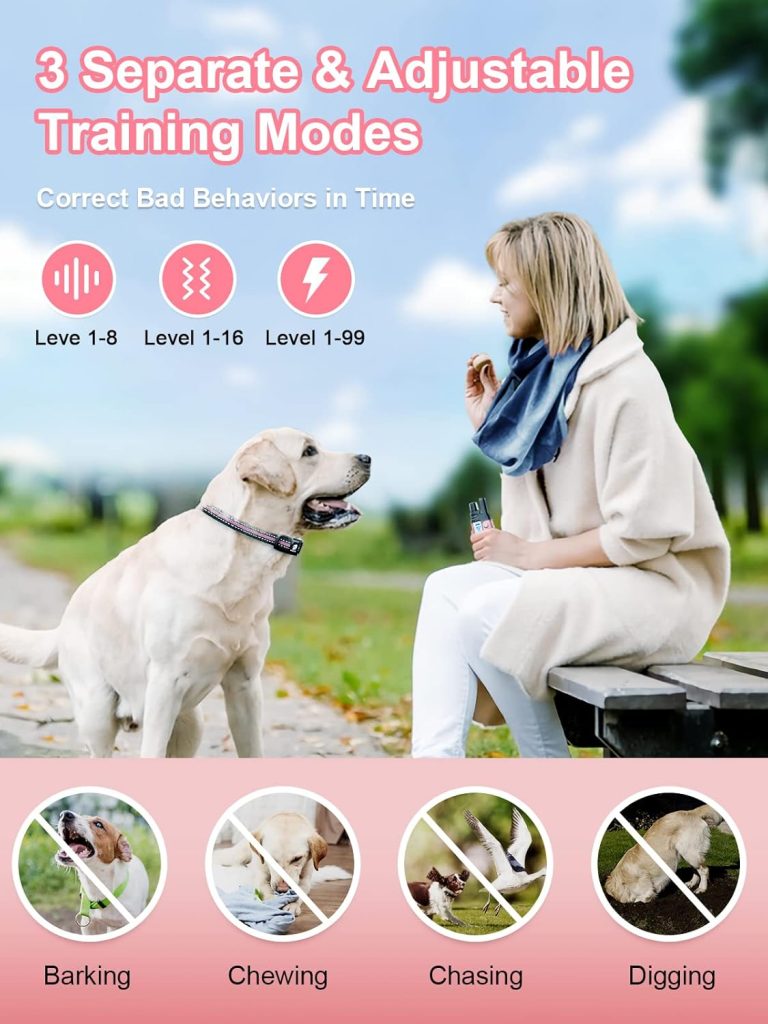
As we continue to explore these techniques, we will also examine their effectiveness, the challenges trainers might encounter, and the overall impact of these methodologies on Nigeria’s evolving dog training landscape. Whether you are an avid dog owner or a professional trainer, understanding negative reinforcement is essential for nurturing well-behaved and content dogs.
Understanding the Mechanism of Negative Reinforcement in Dog Training
To effectively utilize negative reinforcement techniques in training large breed dogs in Nigeria, it is essential to grasp how these methods operate at a fundamental level. At its core, negative reinforcement focuses on encouraging certain behaviors by alleviating an adverse stimulus. This can be particularly useful with large breeds, which often present unique behavioral challenges due to their strength and size. The following insights shed light on the significance of negative reinforcement techniques in dog training, especially within the Nigerian context.
Establishing Consistent Communication: One of the key pillars to successful dog training is establishing a clear line of communication between the trainer and the dog. Negative reinforcement can help achieve this by teaching dogs to associate specific cues or signals with the removal of unpleasant stimuli. For instance, if a trainer uses a firm yet gentle grip on the leash when a dog pulls ahead, releasing the tension once the dog walks closely indicates that a more desirable behavior is being rewarded. Over time, dogs begin to understand that certain actions lead to positive outcomes, thereby reinforcing good behavior.
Utilizing Everyday Situations as Training Opportunities: In Nigeria’s urban settings, trainers can incorporate negative reinforcement into everyday situations that present themselves during walks or outings. For example, a large Rottweiler that barks at pedestrians can be calmly redirected. When the dog remains quiet, the trainer can remove any distractions, such as allowing the dog to approach a friendly dog or entering a quieter area. This practical application of negative reinforcement not only corrects the barking behavior but also shows the dog that calmness can lead to improved experiences.
Here are some examples of negative reinforcement techniques that can be effectively applied in training large breed dogs:
- Leash Training: As mentioned, adjusting the tension on the lead is an excellent example of using negative reinforcement. Reducing pressure encourages the dog to walk beside the owner without pulling.
- Crate Training: When a dog fusses in its crate, releasing it once it settles down teaches the dog that quiet behavior leads to freedom.
- Desensitization: Gradually exposing dogs to stimuli that typically incite undesirable behaviors, such as other dogs or loud noises, and removing the stimulus once they remain calm can be an effective training method.
An essential factor in the success of these techniques is the trainer’s consistency and patience. Large breed dogs can initially respond with resistance or stubbornness, making it crucial for trainers to remain unyielding while rewarding progress through negative reinforcement.
In the following sections, we will delve deeper into how these practices shape the relationships between trainers and their dogs, as well as how cultural variations influence the implementation of negative reinforcement in Nigeria’s diverse training environments. The discussions will highlight how understanding these methods can smoothly integrate into a dog’s daily routine, ultimately leading to a well-behaved pet and a fulfilling owner-dog relationship.
The Role of Negative Reinforcement Techniques in Training Large Breed Dogs in Nigeria
Negative reinforcement is a training method that involves the removal of an unpleasant stimulus when a desired behavior occurs. This technique can be particularly impactful when training large breed dogs, as their size and strength necessitate a different approach. In Nigeria, where many families own large breeds for protection and companionship, understanding how to effectively utilize negative reinforcement can enhance training outcomes significantly.One of the key aspects of this method is the timing and consistency of its application. For instance, a trainer might apply pressure on the leash to discourage pulling during walks. Once the dog stops pulling, the pressure is released, thereby reinforcing the desired behavior of walking calmly. This creates an understanding in the dog that undesirable actions lead to discomfort, while good behavior results in comfort and freedom.Moreover, the cultural context in Nigeria plays a vital role in the training dynamics. Many owners might not have access to professional training resources; hence, educating pet owners about these techniques can empower them to establish effective training routines. Understanding negative reinforcement also encourages owners to develop a bond based on trust and communication with their pets, rather than fear or coercion.It’s essential to balance negative reinforcement with positive reinforcement, such as rewards for good behavior. This dual approach ensures a more well-rounded training regimen, making the process enjoyable for both the dog and the owner. Furthermore, exploring this topic can lead to increased awareness about humane training practices and the importance of mental stimulation for large breeds, as these dogs often require more than just physical exercise to thrive.In summary, the utilization of negative reinforcement techniques in training large breed dogs in Nigeria presents a unique opportunity to improve training outcomes and foster deeper relationships between owners and their pets. As more pet owners gain knowledge on effective training methodologies, the overall behavior and well-being of large breed dogs in Nigeria can enhance tremendously, leading to happier pets and owners alike.
| Advantages | Key Features |
|---|---|
| Effective Behavior Modification | Creates clear associations between actions and consequences. |
| Trust Building | Fosters a trusting relationship through consistent training protocols. |
This organized approach not only clarifies the roles and benefits of negative reinforcement techniques but also reinforces the necessity for ongoing education in responsible dog ownership. Understanding these tools can lead to significant improvements in training effectiveness in Nigeria’s unique context of large breed dog ownership.
Building Trust Through Negative Reinforcement
Establishing trust is fundamental in any canine training program, especially when it comes to large breed dogs that may exhibit dominant or unpredictable behavior. Negative reinforcement techniques, when applied thoughtfully, can foster a strong bond between the trainer and the dog. The essence lies in the dog’s understanding that certain unpleasant experiences can be avoided through the right actions. This not only leads to successful training outcomes but also nurtures a relationship built on respect and understanding.
Encouraging Positive Behavioral Changes: In the context of Nigeria, where large breed dogs are often kept for companionship, guarding, or working roles, negative reinforcement helps in adapting the dog’s behavior to suit their environment. For instance, a large breed dog, such as a German Shepherd, may react aggressively to unfamiliar faces. By using a method where the dog is told “no” in a firm voice when exhibiting aggression, and then promptly rewarding calm behavior with praise or a toy, the dog begins to associate peacefulness with positive reinforcement. This kind of strategic interaction enables trainers to manage behaviors in a way that respects the dog’s instincts while promoting desirable actions.
Creating Structured Training Sessions: Structure is vital in dog training, especially with larger breeds that may require clear guidelines to operate well within their homes or communities. Structured sessions, incorporating negative reinforcement, can include exercises like “stay” or “come.” By putting pressure on the dog’s leash or using persistent vocal tones, a trainer can effectively communicate boundaries and expectations. When the dog complies with the command, the pressure is alleviated, reinforcing the message that following commands leads to a more relaxed, enjoyable experience. In bustling Nigerian urban centers, where distractions abound, establishing this structure allows dogs to learn effectively amid chaos.
- Socialization Opportunities: In Nigeria’s multicultural environment, exposing dogs to different social settings is essential. Negative reinforcement can aid in controlling reactions to unfamiliar sights and sounds. When a large breed dog displays fear or aggression in a new environment, offering reassurance through a soft tone or treat after the dog remains calm can significantly mitigate anxiety over time.
- Utilizing Safe Spaces: Creating a safe haven for large breeds through the use of negative reinforcement can boost their comfort and comprehension. For example, associating time in a designated “quiet area” with relaxation can encourage the dog to retreat to this space when feeling overwhelmed. The removal of noise or distractions reinforces the concept of retreat being an effective coping mechanism.
Considering the prevalent issues in dog training across Nigeria, such as the lack of professional dog trainers or resources, it’s essential to emphasize the need for balance in applying negative reinforcement. Trainers must actively monitor their approach to avoid discouraging the dog. Using too much pressure can lead to fear and anxiety, which could exacerbate behavioral problems in large breeds. Thus, a nuanced understanding of behaviors and responsive training will yield more effective outcomes.
This ongoing dialogue on how negative reinforcement techniques can revitalize training practices highlights its necessity in transforming the diverse landscape of dog ownership in Nigeria. For communities that embrace these methods, the possibility of fostering well-adjusted, obedient large breed dogs is not only a dream but an achievable reality. Furthermore, engaging local dog communities can facilitate knowledge sharing on best practices, enhancing the overall experience of dog ownership across the country.
Conclusion
In the complex realm of canine training, particularly for large breed dogs in Nigeria, negative reinforcement techniques emerge as pivotal tools that can shape behaviors and relationships between trainers and their pets. Through structured approaches that incorporate clear boundaries and consistent cues, trainers can effectively communicate necessary behaviors while minimizing stress and confusion for the dogs. This creates an environment where large breeds can thrive, adapting to sociocultural dynamics and expectations within Nigerian households.
Moreover, highlighting the importance of a balanced approach in utilizing these techniques ensures that trainers remain attuned to their dogs’ emotional and psychological well-being. Ensuring that excessive pressure is avoided helps prevent the potential pitfalls of fear-based responses, ultimately leading to more successful and humane training outcomes. As more dog owners in Nigeria recognize the benefits of these strategies, it is crucial to foster continuous education and dialogue within the community, sharing success stories and challenges alike.
As we move forward, the potential for transformed perceptions related to canine training hinges on collaborative efforts that combine local insights and evidence-based practices. Embracing negative reinforcement techniques not only facilitates the development of well-behaved large breed dogs but also strengthens community ties, paving the way for a harmonious coexistence among dogs, their owners, and the diverse environments in which they live. This holistic understanding is integral to enhancing the overall experience of dog ownership across Nigeria, heralding a future where dogs and their trainers can enjoy fulfilling relationships based on trust and mutual respect.