Tips for Maintaining Your Pets’ Oral Health
Understanding the Importance of Oral Health for Your Pets
Maintaining the oral health of your pets is not just about preventing bad breath; it is an essential aspect of their overall well-being. Just like humans, pets—whether dogs, cats, or other animals—require proper oral care to prevent a range of health issues. Dental problems in pets can lead to serious conditions, including painful infections, tooth loss, and even complications affecting vital organs such as the heart and liver.
In countries like Nigeria, where access to veterinary services may be limited, it becomes even more important for pet owners to take initiative in managing their furry friends’ dental health. Understanding how to prevent dental diseases can significantly enhance your pet’s quality of life, making them more energetic and happier companions.
Key Aspects of Pet Oral Care
Regular oral care can effectively stave off various dental diseases. Here are some crucial practices that every pet owner should consider:
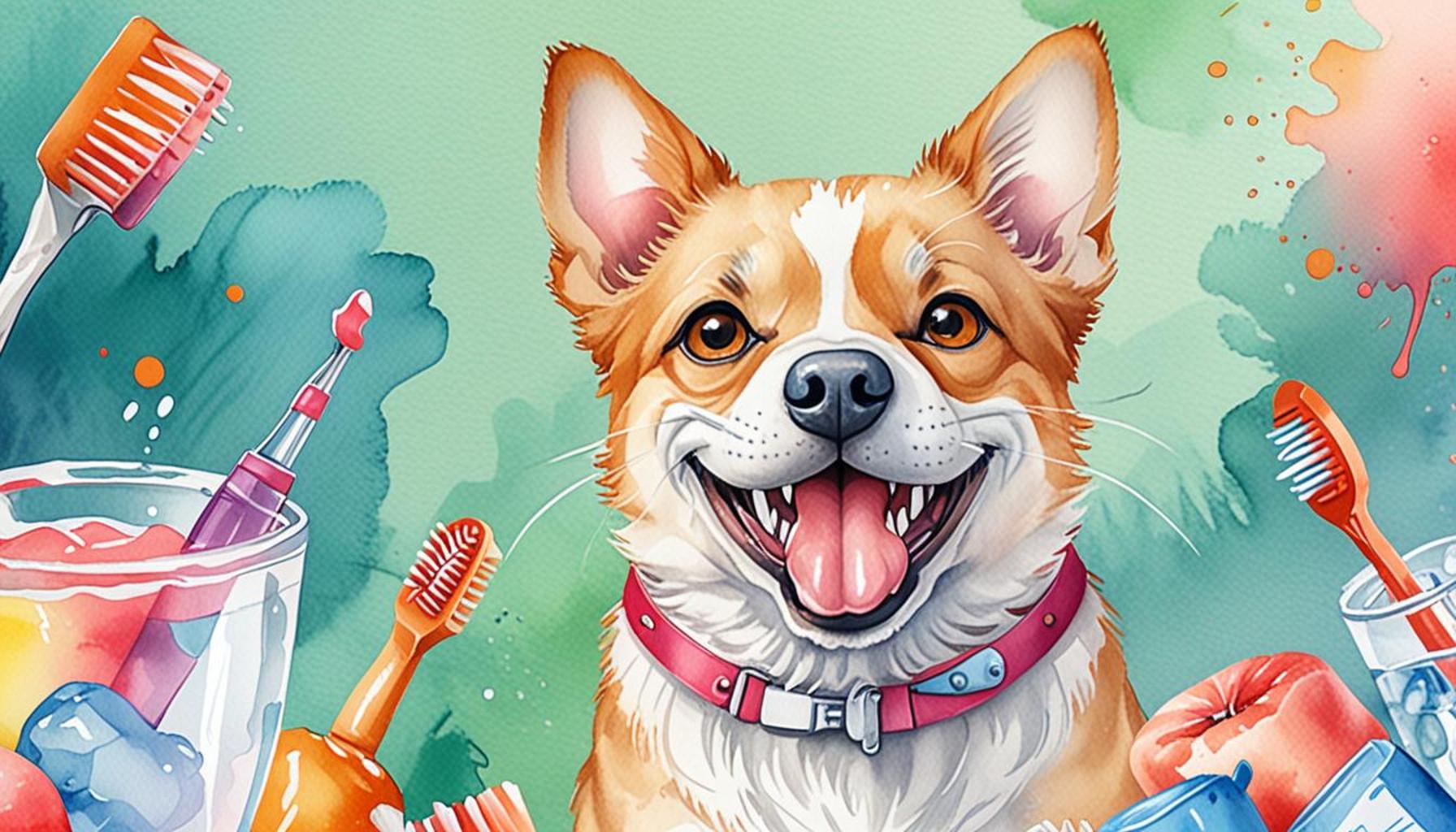
- Brushing: Daily brushing is vital to eliminate plaque and reduce tartar buildup. Using a toothbrush designed for pets and pet-safe toothpaste can make this task easier. Start slowly, allowing your pet to get accustomed to the process. Aim to brush at least a few times a week.
- Dental Chews: Offering dental chews is a dual benefit. Not only do they satisfy your pet’s urge to chew, but they also assist in cleaning their teeth as they gnaw. Look for dental chews that bear the Veterinary Oral Health Council (VOHC) seal, which signifies they are effective in reducing plaque and tartar.
- Routine Vet Check-ups: Regular veterinary dental examinations are key to catching potential problems early. During these visits, the vet can perform professional cleanings, assess oral health, and provide specific recommendations tailored to your pet’s needs.
- Signs of Dental Problems: Observing your pet’s behavior can give you clues about their dental health. Bad breath, swollen or bleeding gums, and difficulty eating may indicate dental issues that need immediate attention. If you notice any of these signs, consult your vet as soon as possible.
Pet owners in Nigeria may also consider local resources, such as mobile veterinary clinics or community outreach programs that offer preventive care at reduced costs. It’s essential to become proactive about oral health—understanding the right practices not only enhances your pet’s longevity but also deepens the bond you share.
With the right knowledge and tools at your disposal, you can ensure that your pet enjoys a healthy and happy mouth. Remember, investing time in your pet’s oral health is an investment in their overall quality of life, enabling them to lead joyful, active lives alongside you.
Essential Practices for Optimal Oral Hygiene
When it comes to maintaining your pets’ oral health, integrating consistent and effective practices into your routine can yield remarkable benefits. Many pet owners underestimate the significance of dental care, which often leads to severe health problems down the line. In Nigeria, where resources and availability of specialized veterinary services can be limited, taking charge of your pet’s oral hygiene becomes paramount. So, what should you focus on to ensure your furry friend has a healthy mouth?
Creating a Sustainable Oral Health Routine
Building a sustainable oral health routine for your pet does not have to be overwhelming. Here are some foundational practices that can enhance their dental hygiene:
- Introduce Oral Care Gradually: If your pet is not used to having their teeth brushed, start slow. Let them sniff the toothbrush and toothpaste first. Gradually introduce the process by brushing just a few teeth each time, and reward them with praise or a treat to create a positive association.
- Select the Right Tools: Using the right tools can significantly impact your pet’s oral care experience. Invest in a toothbrush and toothpaste specifically designed for pets. Human toothpaste often contains ingredients that are harmful to pets, so ensure you utilize pet-safe options.
- Incorporate Dental Toys: Engaging your pet with dental toys can prove to be both fun and beneficial. The texture and design of these toys help remove plaque and stimulate gums. Look for toys that are safe, durable, and appropriate for your pet’s size and chewing habits.
- Monitor Food Choices: Diet plays a crucial role in dental health. Choose high-quality food designed for oral care that can aid in reducing plaque and tartar. Also, incorporating crunchy textures might help clean your pet’s teeth during mealtime.
Remember, establishing a routine does not need to be a complicated ordeal. By dedicating a few minutes daily or weekly to focus on your pet’s oral health, you can help prevent dental issues and promote a healthier lifestyle for your beloved companion.
In Nigerian communities, awareness of dental health care for pets is on the rise. Pet owners are encouraged to seek out local resources, such as community programs and workshops that focus on teaching proper dental hygiene. These initiatives are vital in promoting not just pet health but community involvement in animal care as well. Don’t hesitate to explore your options, and always stay informed about new techniques and products that can assist you in your ongoing commitment to your pet’s dental health.
The journey to optimal pet oral health is continuous. With dedication, patience, and the right approach, you can help your furry friend avoid preventable dental diseases while providing them with a brighter, healthier smile.
| Category | Details |
|---|---|
| Dental Check-Ups | Regular vet visits to evaluate oral health, helping to detect issues early. |
| Dental Treats & Chews | Providing specially formulated treats can reduce tartar buildup and promote healthy gums. |
| Brushing Teeth | Regular brushing with pet-safe toothpaste can significantly enhance oral hygiene. |
| Water Additives | Adding oral care solutions to their water can help combat plaque and bad breath. |
Maintaining your pets’ oral health is essential not only for their teeth but also for their overall well-being. Neglecting dental hygiene can lead to serious health problems, impacting their heart and liver. Investing time in preventive care can provide a long-lasting benefit. Engaging your pet with fun and rewarding activities like brushing or using dental chews enhances their interest and compliance. Regular vet visits are critical, as professionals can identify problems you might overlook. Remember, creating a consistent routine can lead to positive habits and a happier, healthier pet! Be proactive and start incorporating these tips today to ensure your furry friends have bright, healthy smiles for years to come.
Understanding the Dangers of Neglecting Oral Hygiene
Not paying attention to your pet’s oral health can lead to a myriad of issues that extend beyond bad breath. Dental diseases such as periodontal disease can affect your pet’s overall health. In fact, studies have shown that approximately 80% of dogs and 70% of cats exhibit signs of periodontal disease by the age of three. This underscores the importance of proactive dental care.
In Nigeria, pet owners must be vigilant about recognizing potential dental problems in their pets. Signs of oral discomfort may include excessive drooling, difficulty eating, and visible tartar buildup. If your pet is showing these symptoms, it’s essential to consult a veterinarian who can conduct a thorough dental exam and recommend treatments such as professional cleanings or procedures if necessary.
Utilizing Home Remedies with Caution
While many pet owners may consider home remedies to maintain their pets’ oral health, it is crucial to proceed with caution. Some ingredients, like baking soda and hydrogen peroxide, can be toxic to pets if ingested in large amounts. Instead, focus on natural alternatives, such as coconut oil or certain types of herbal formulations that promote oral hygiene. Always consult with a veterinarian before introducing any new home remedies to ensure their safety and efficacy.
The Role of Regular Veterinary Visits
Regular check-ups are essential for maintaining your pet’s oral health. Scheduling a veterinary dental exam at least once a year allows for the early detection of dental diseases and addresses potential issues before they escalate. During these visits, your vet will not only clean your pet’s teeth but also provide insights into the best practices for at-home care that are tailored to your pet’s specific needs.
Many veterinary clinics in Nigeria now offer comprehensive dental care packages that include preventive treatments that can significantly affect your pet’s long-term health. These packages often encompass everything from teeth cleaning to diagnostic services that can pinpoint specific oral health challenges your pet may face.
Behavioral Considerations
Behavioral training can also influence your pet’s willingness to cooperate during dental care routines. Desensitization techniques can be beneficial, where you gradually acclimatize your pet to the sight and feel of dental tools. Using positive reinforcement — such as treats or praise — can enhance their mood during these sessions and make them more receptive to dental hygiene practices.
Additionally, using flavored toothpaste like chicken or beef can entice your pet, making the experience enjoyable rather than a chore. Offering a dental-friendly chew treat after brushing can also help reinforce the behavior while keeping their teeth clean.
Researching Dental Products
Investing in high-quality dental products can make a significant difference in your pet’s oral hygiene. Many pet stores in Nigeria now stock specialized dental chews, rinses, and dental food formulated to support oral health. While exploring these options, ensure that you look for those endorsed by veterinary associations or those meeting recognized pet food safety standards.
By taking a proactive approach and arming yourself with knowledge, you can create an effective oral health management plan for your pet. This contributes not only to their well-being but also enhances their quality of life — ensuring they remain your faithful companions for years to come.
Conclusion: Prioritizing Your Pet’s Oral Health
Maintaining your pet’s oral health is not just about ensuring fresh breath; it is a vital aspect of their overall well-being. With alarming statistics revealing that up to 80% of dogs and 70% of cats show signs of dental disease by age three, it is crucial for pet owners in Nigeria to adopt proactive dental care practices early on. Awareness and education play fundamental roles in preventing painful conditions that may lead to serious health issues.
As we’ve discussed, regular veterinary visits, performing at-home care, and utilizing proper dental products can significantly safeguard your pet’s oral health. Incorporating behavioral training enhances the experience, making dental care a positive routine rather than a stressful task. Moreover, when exploring options for dental care, selecting products backed by veterinary associations ensures that you are making informed choices for your pet’s safety.
By being alert to the signs of oral discomfort, employing holistic approaches, and seeking veterinary advice, you can develop a comprehensive oral care strategy tailored to your furry friend’s needs. The commitment to their dental health not only improves their quality of life but also extends the joyful years spent together. Let’s prioritize our pets’ oral hygiene for a healthier, happier future. Investing in their well-being today shapes a lasting bond built on love and care.